
My 2023 Year in Music

My 2023 Wrapped
What a year for music! In 2023, I scrobbled 5,522 tracks across 392 different artists and 568 albums. That’s roughly 322 hours of music - or about 13.4 days of non-stop listening. On average, the albums I listened to are 26 years old.
Radiohead earned the top spot with 117 plays (2.1% of your year).
Lets dive into the numbers and see what made 2023 special.
By the Numbers
Thats 13.4 days of music, or roughly 15 tracks per day. My peak listening month was June with 1,051 scrobbles.
Artist of the Year
Radiohead
With 117 plays (2.1% of my total listening), Radiohead dominated my 2023. They were my top artist in July.
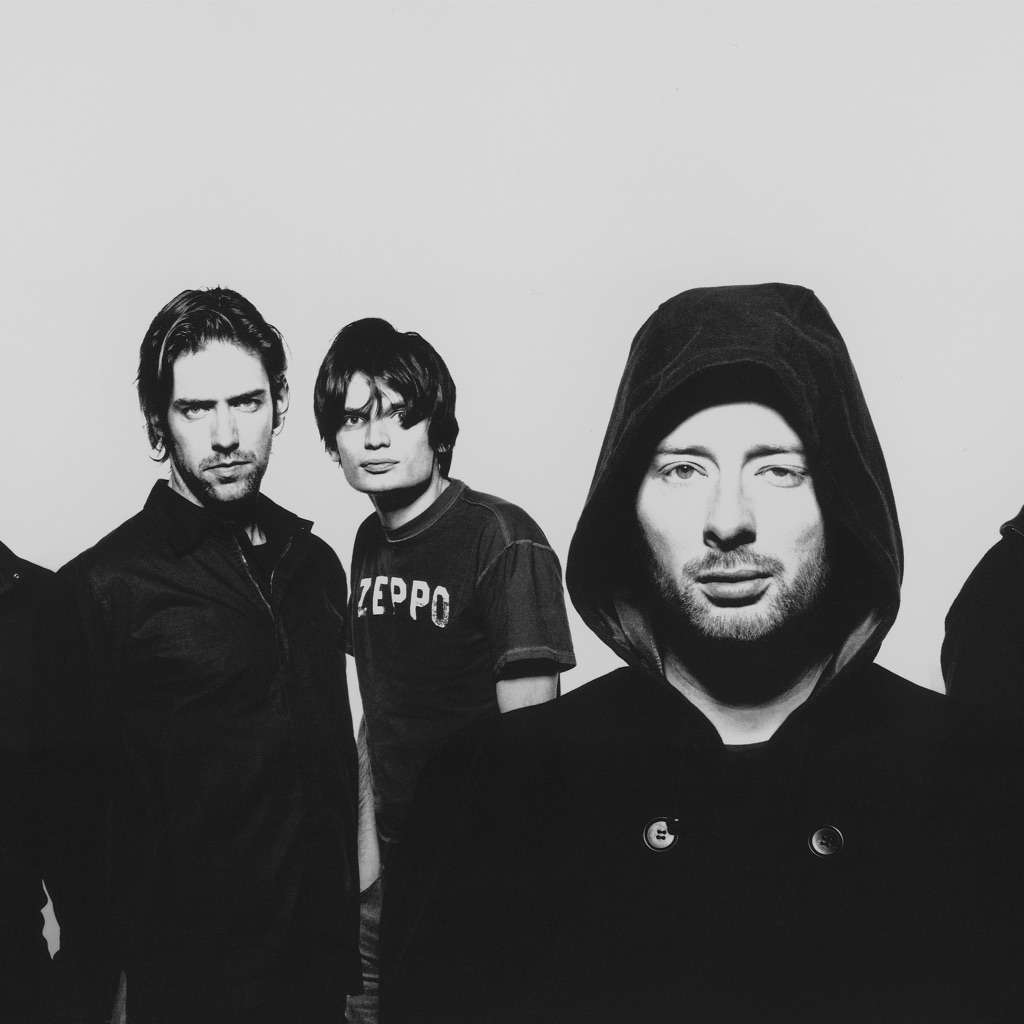
- View Radiohead on russ.fm
Album of the Year
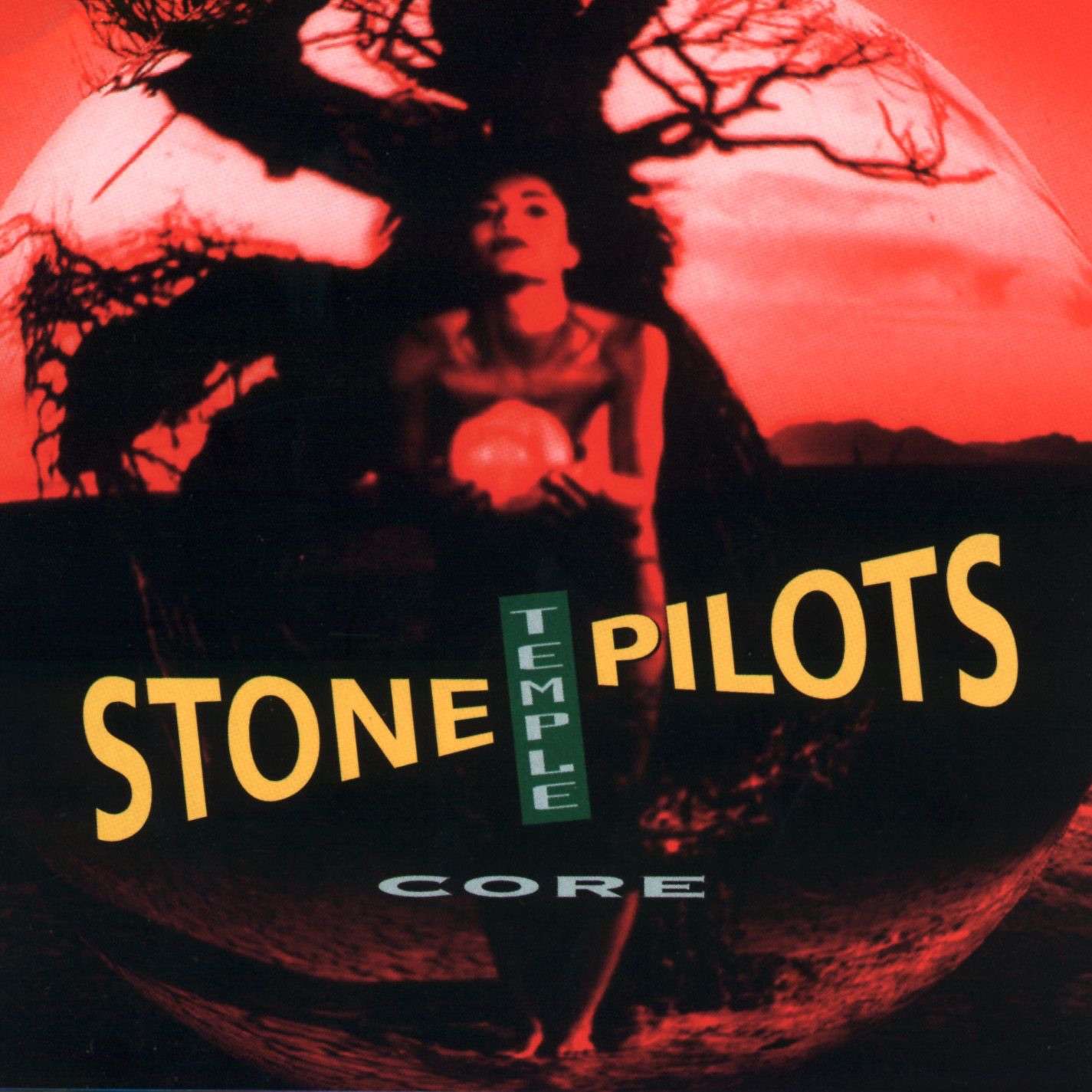
”Core” by Stone Temple Pilots
This album earned the top spot with 5 plays (0.1% of my listening).
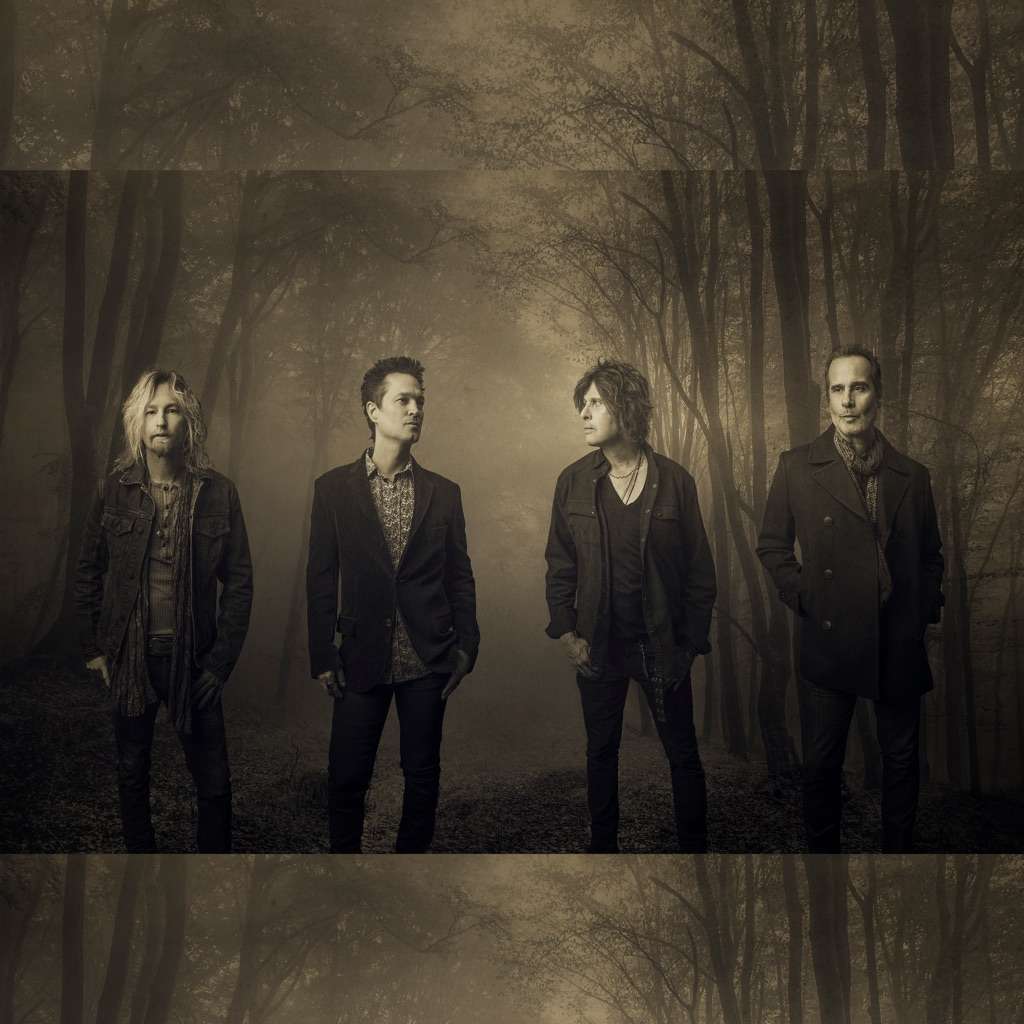
Top 25 Artists
- 🥇 Radiohead — 117 plays
- 🥈 The Beatles — 102 plays
- 🥉 Pink Floyd — 94 plays
- 4. David Bowie — 93 plays
- 5. Faith No More — 93 plays
- 6. U2 — 88 plays
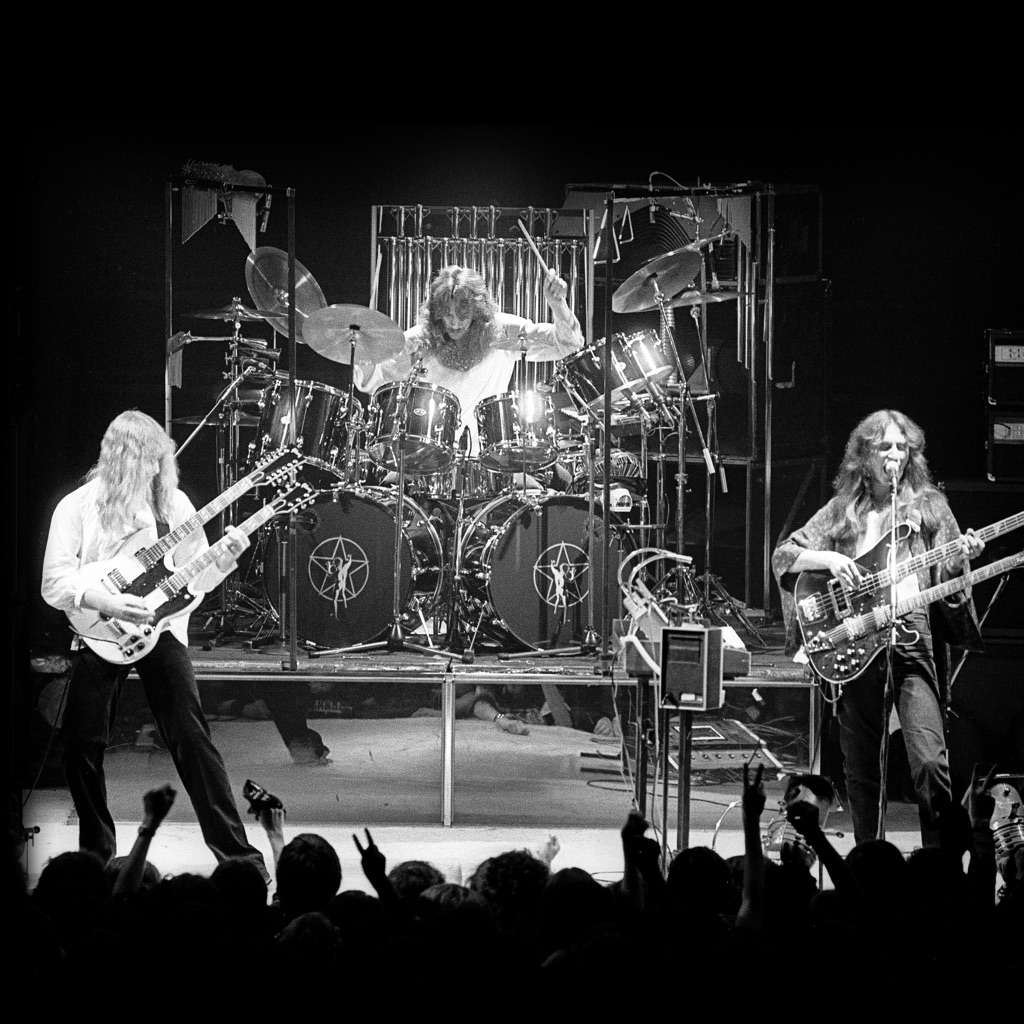
- 7. Rush — 81 plays
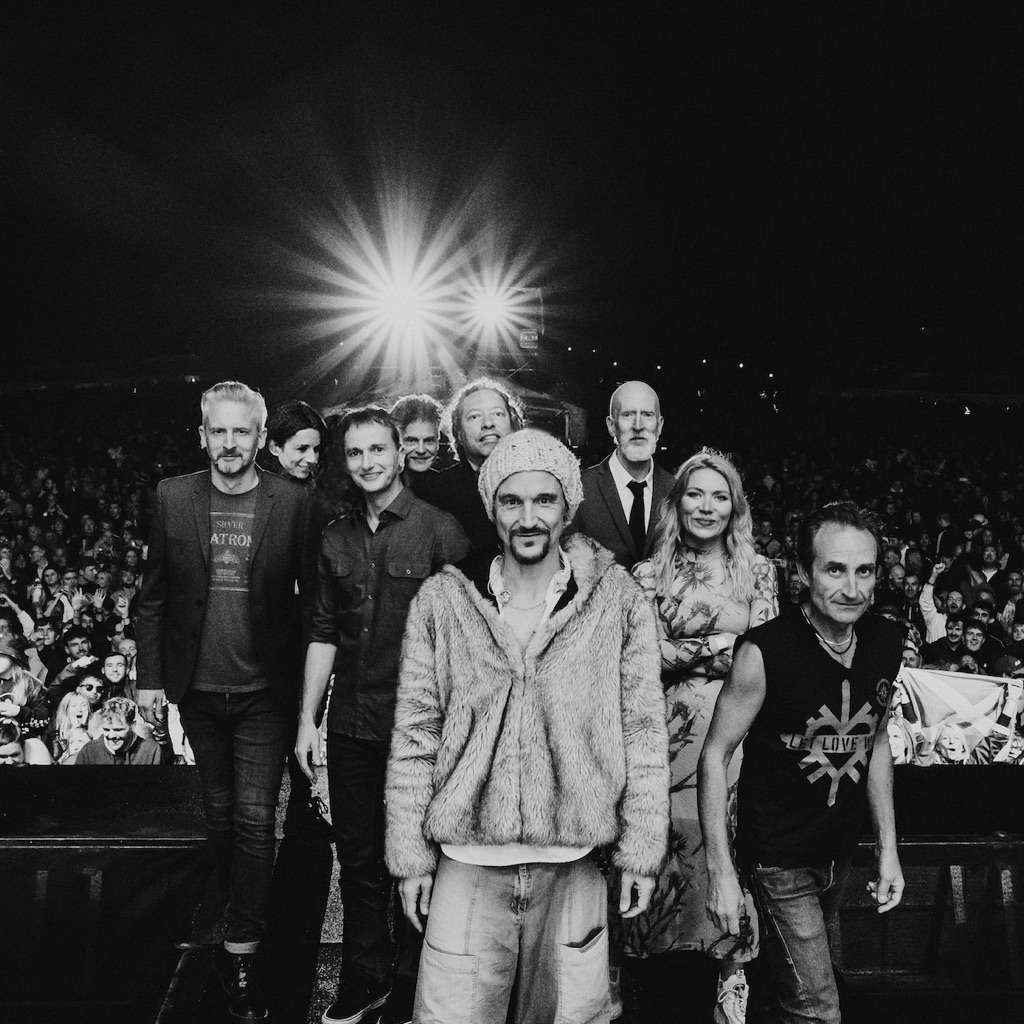
- 8. James — 77 plays
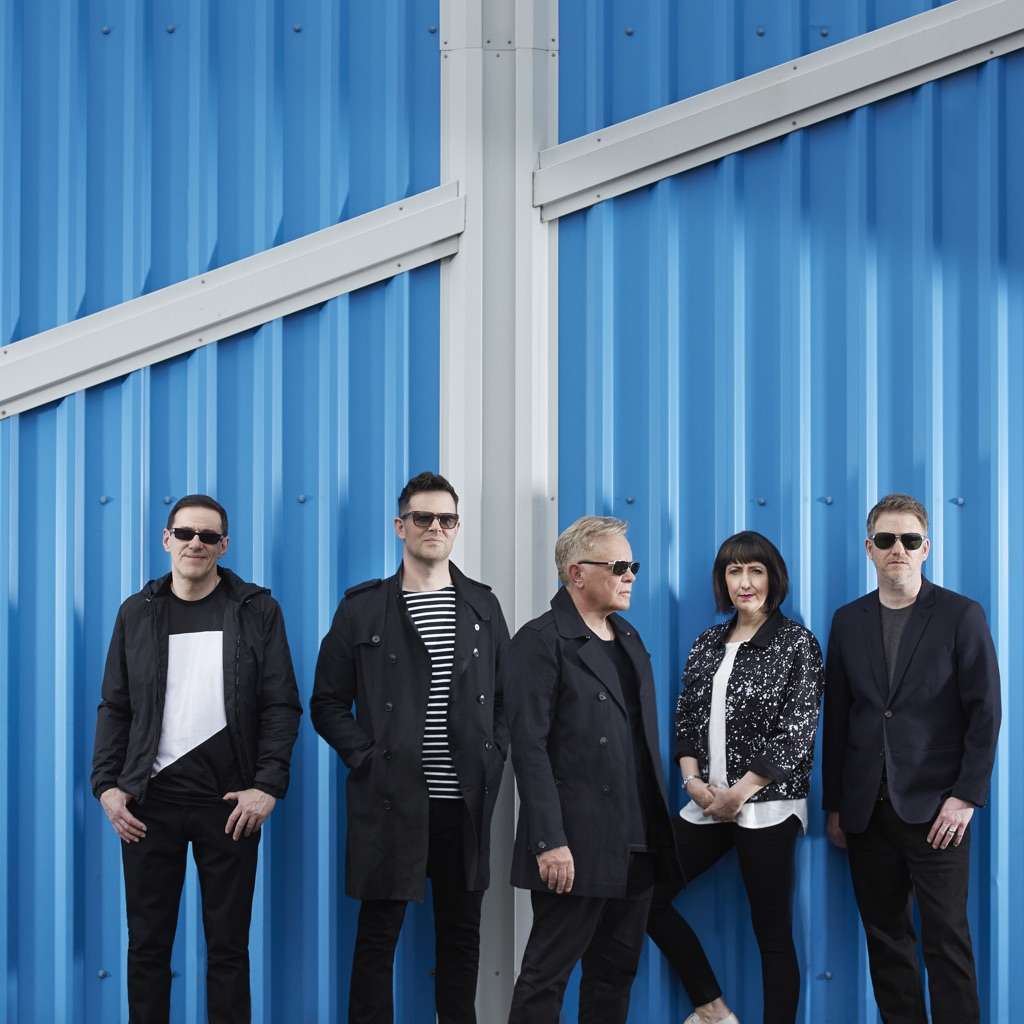
- 9. New Order — 71 plays
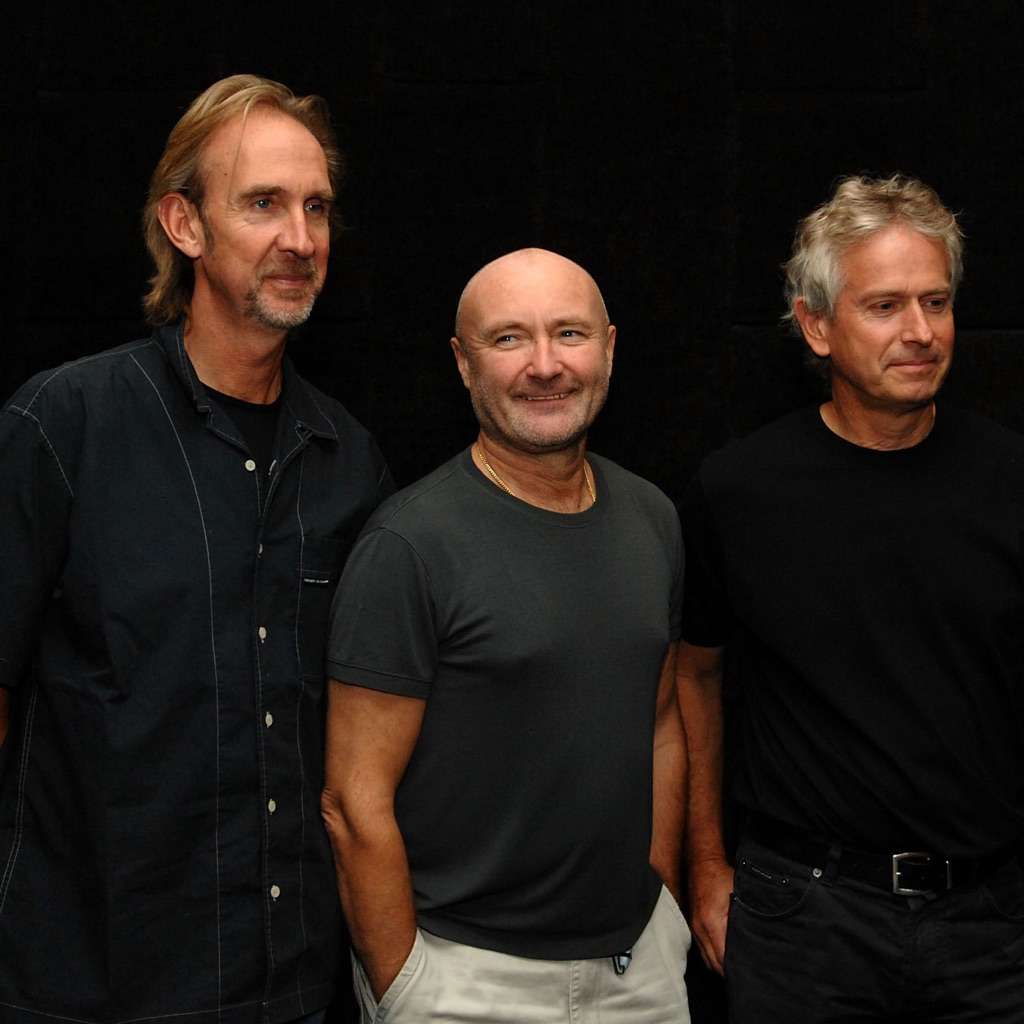
- 10. Genesis — 69 plays
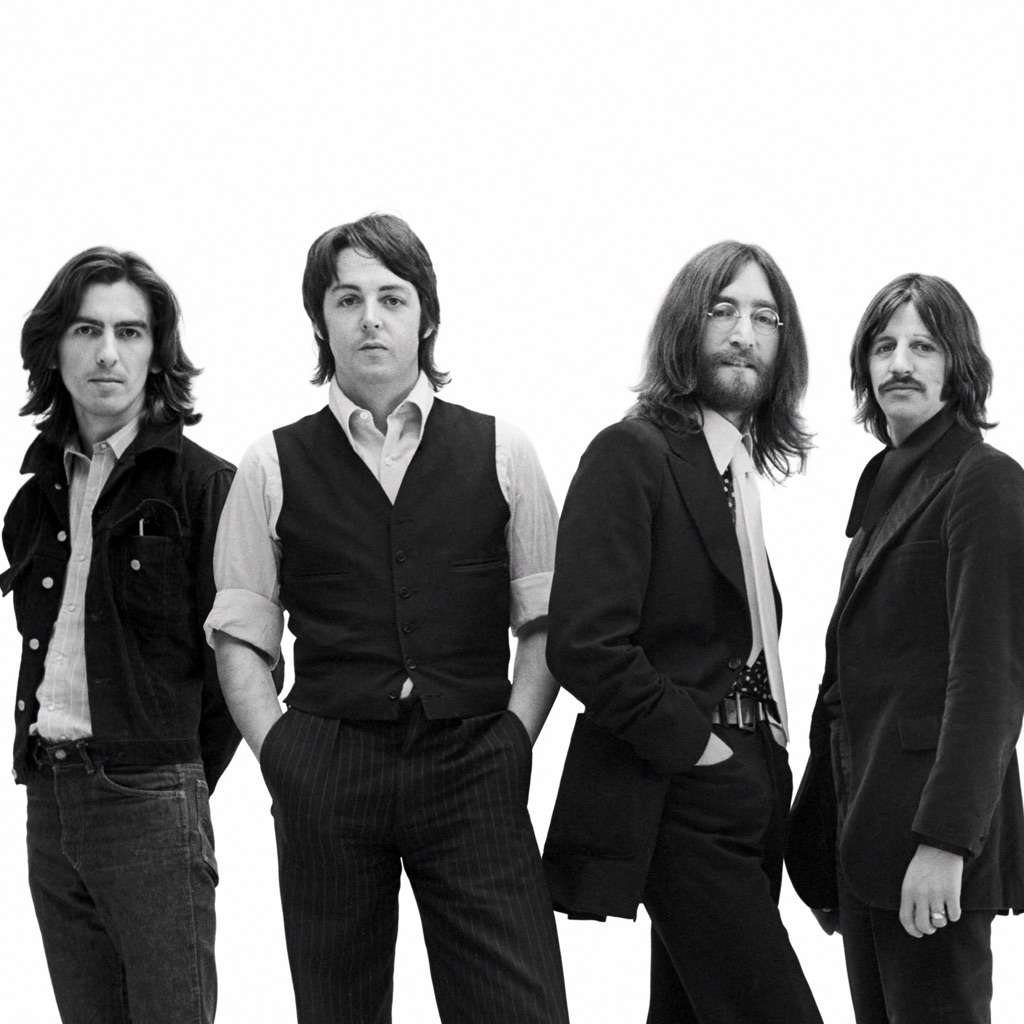
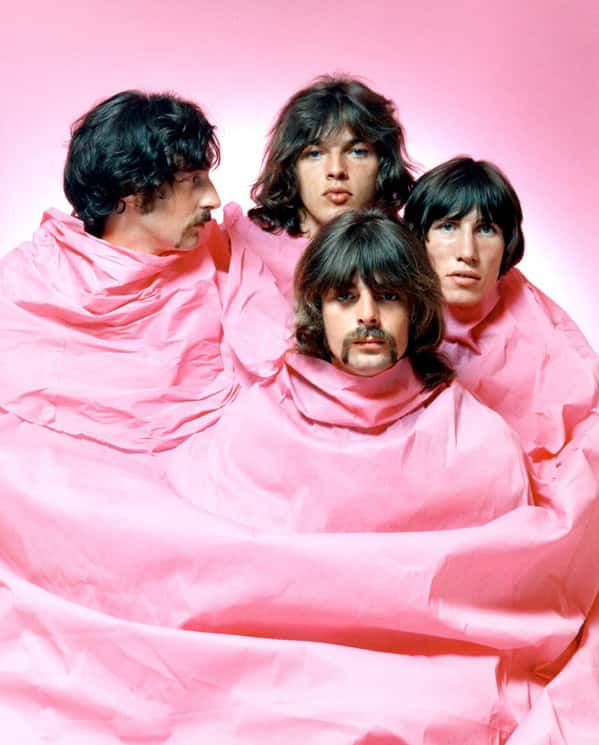
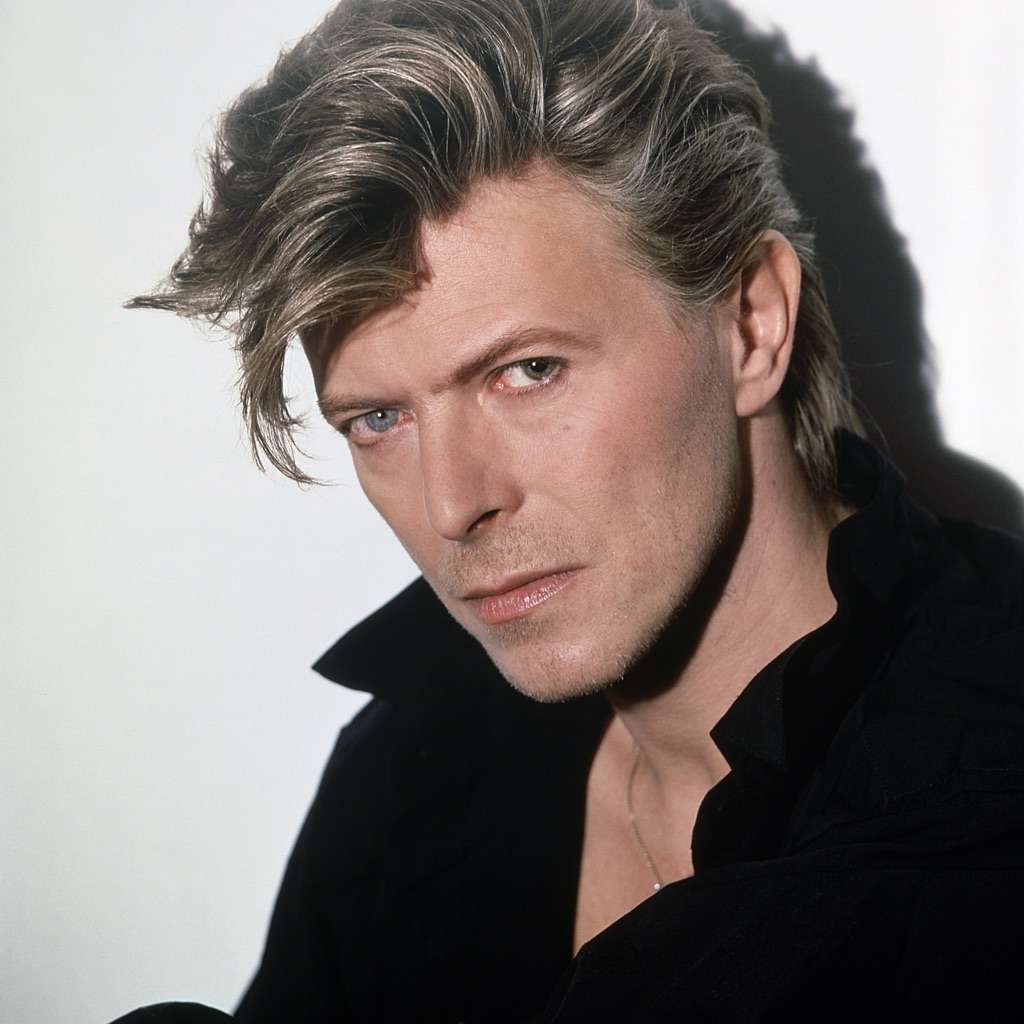
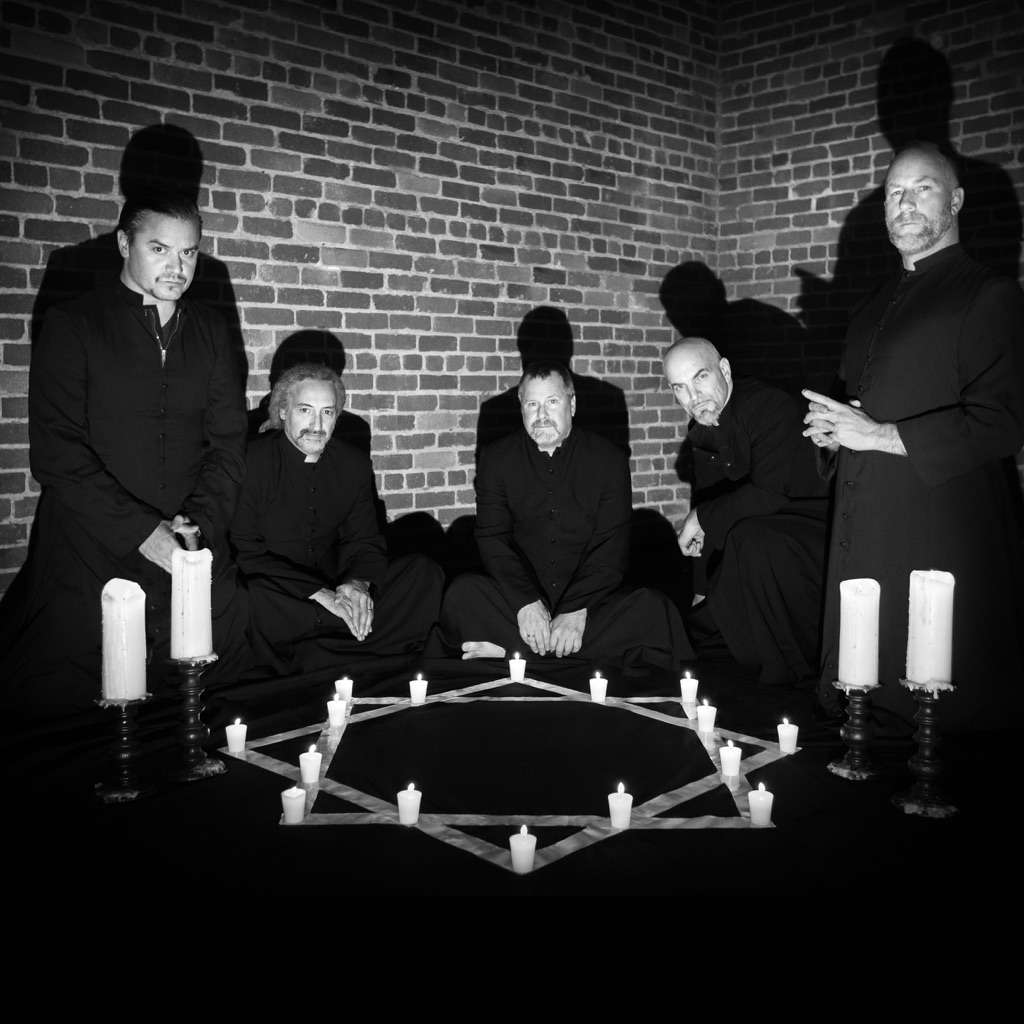
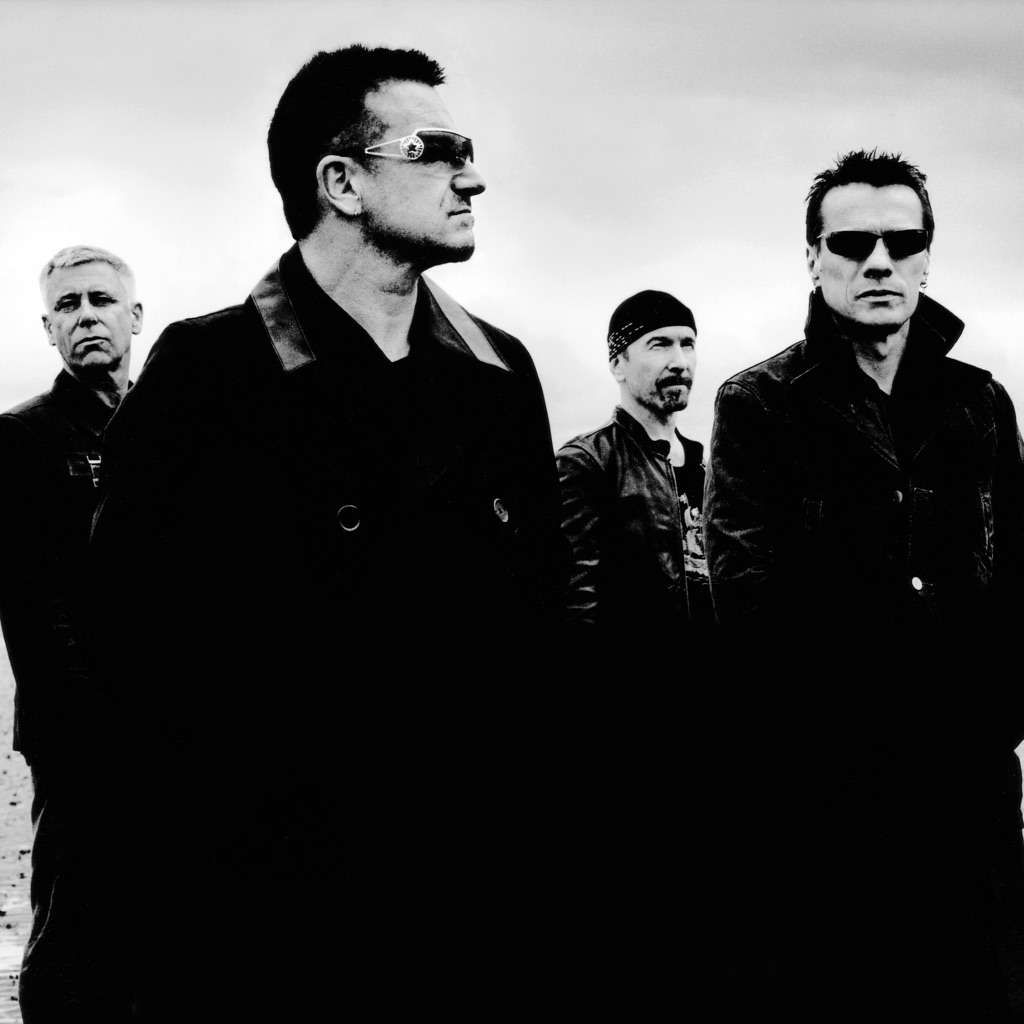
View artists 11-25
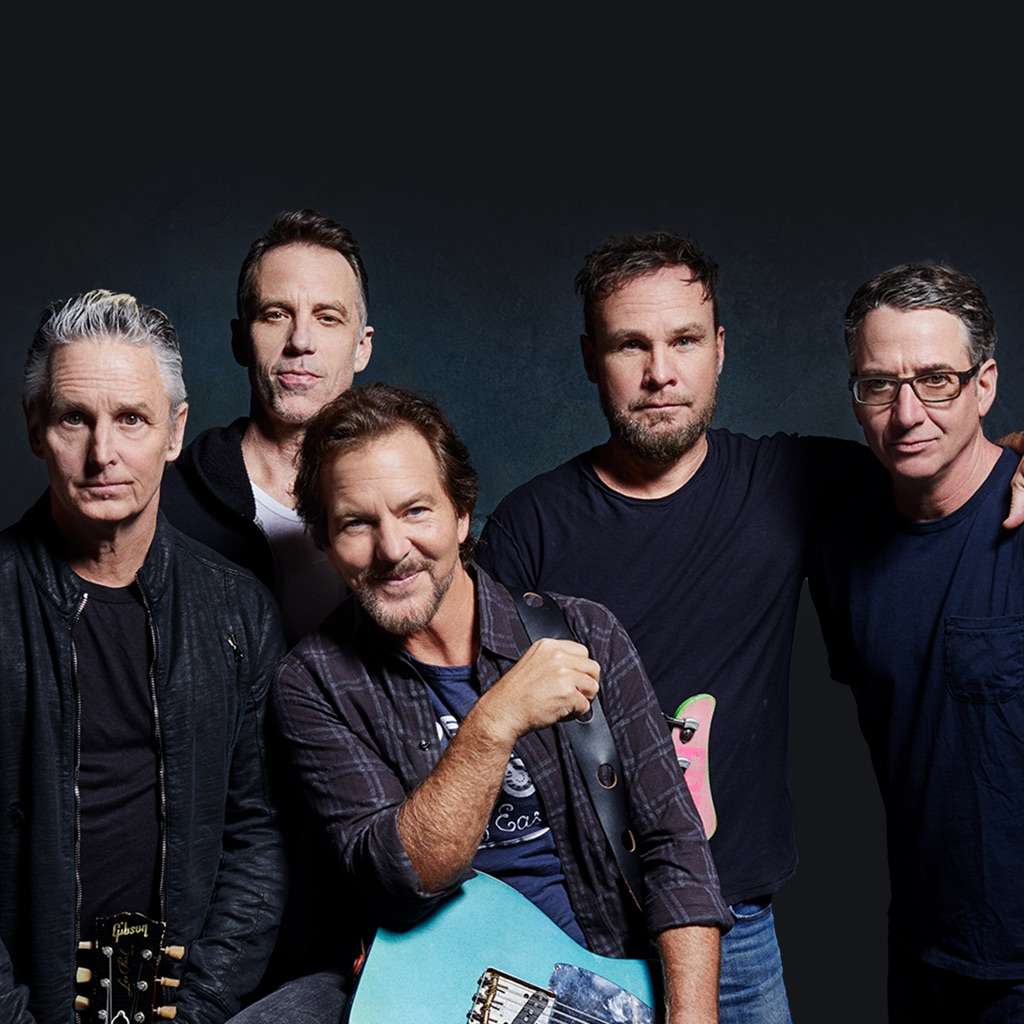
- 11. Pearl Jam — 69 plays
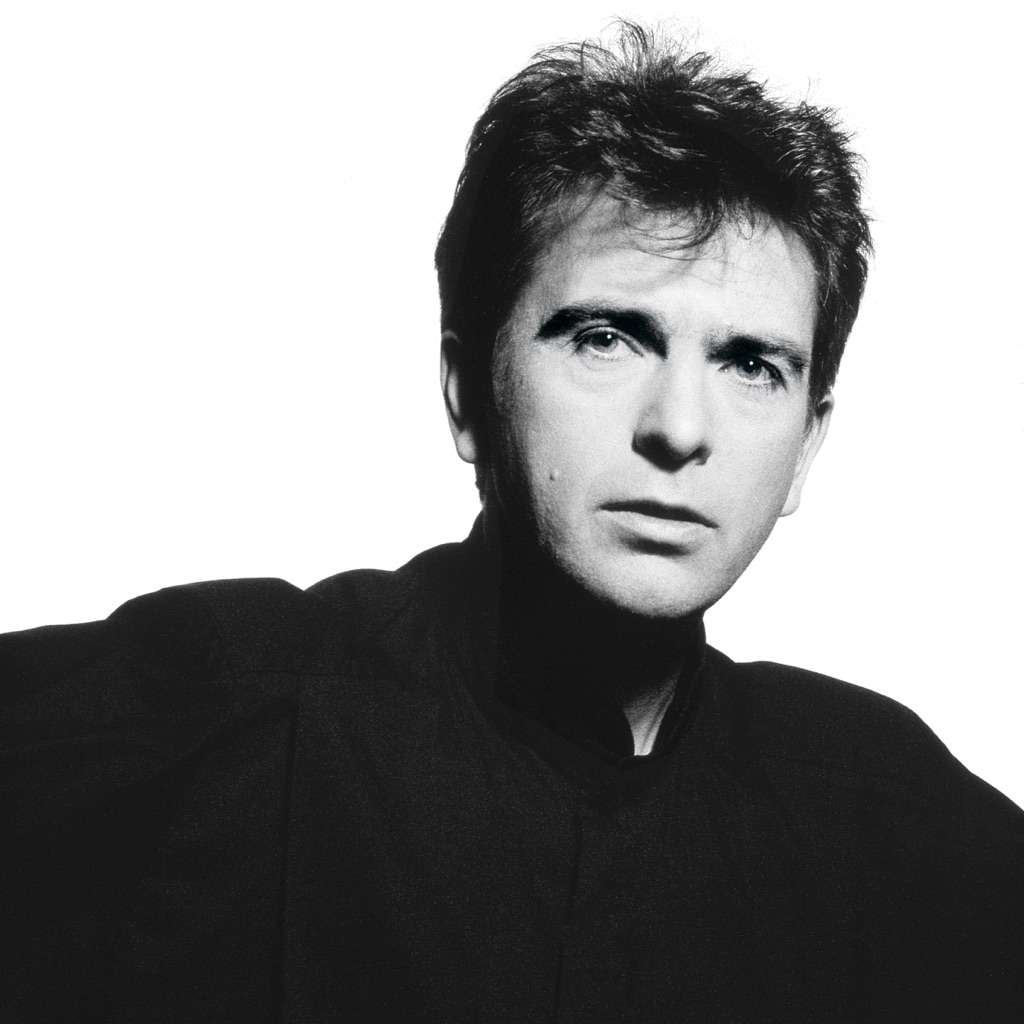
- 12. Peter Gabriel — 67 plays
- 13. Deacon Blue — 66 plays
- 14. Depeche Mode — 63 plays
- 15. Stars — 61 plays
- 16. Tori Amos — 58 plays
- 17. The Cure — 57 plays
- 18. The Decemberists — 56 plays
- 19. Pet Shop Boys — 55 plays
- 20. Tears for Fears — 54 plays
- 21. Crowded House — 54 plays
- 22. Steven Wilson — 48 plays
- 23. Tom Petty and The Heartbreakers — 48 plays
- 24. Cardiacs — 47 plays
- 25. INXS — 46 plays
Top 50 Albums
- 🥇 Core by Stone Temple Pilots — 5 plays
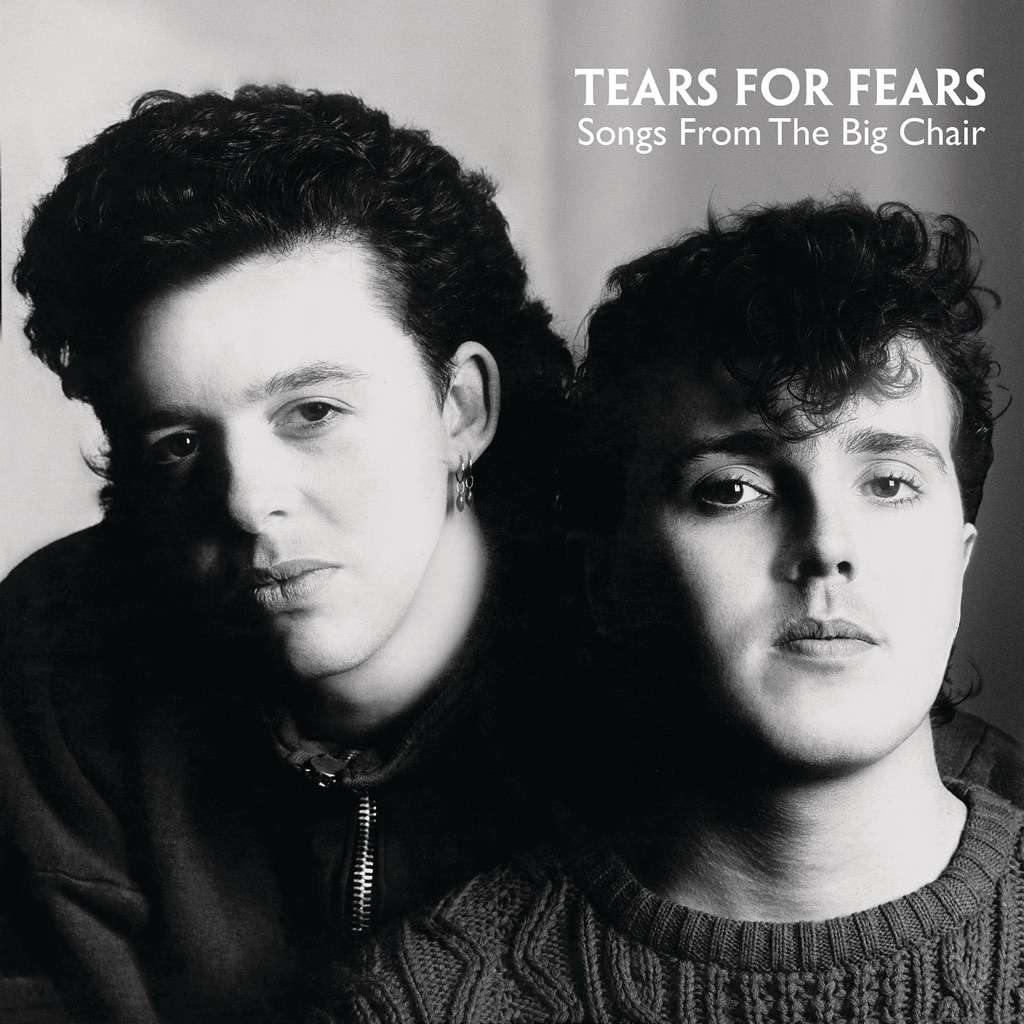
- 🥈 Songs from the Big Chair by Tears for Fears — 5 plays
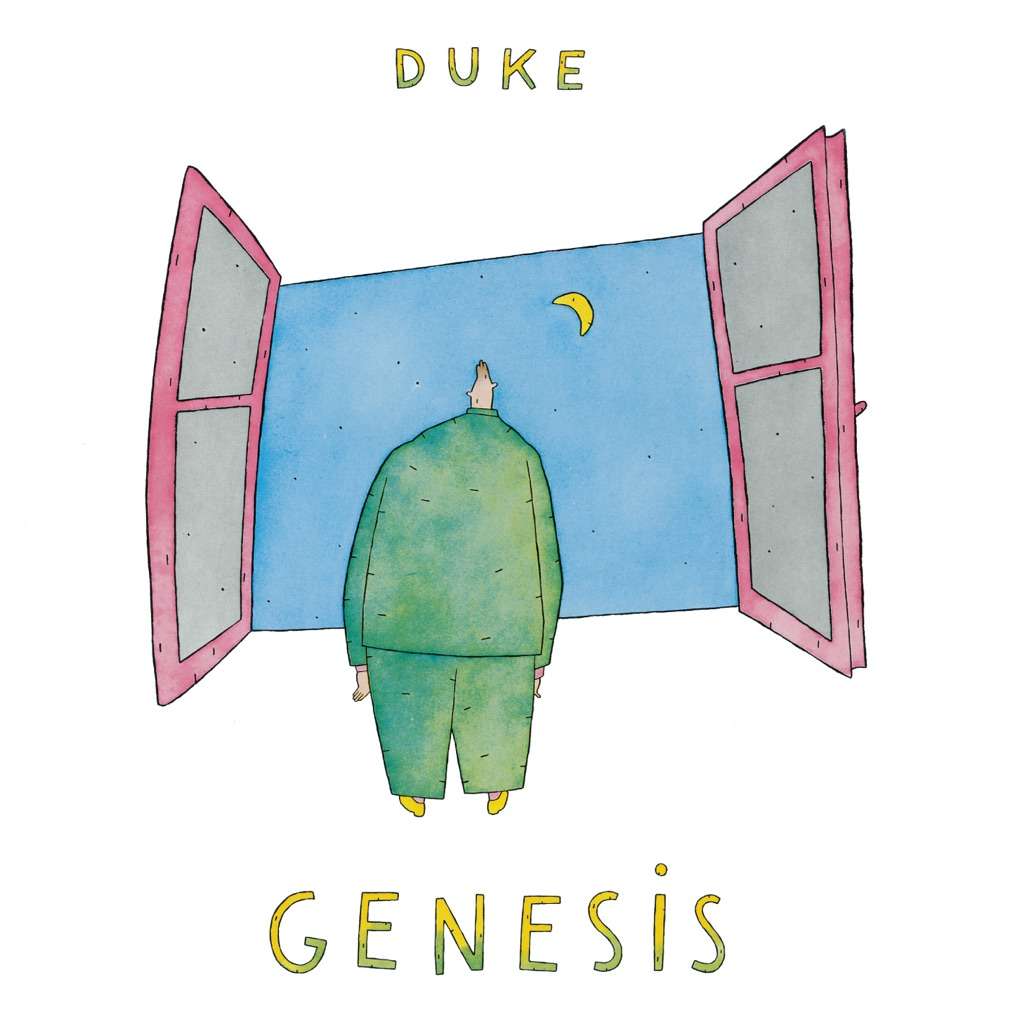
- 🥉 Duke by Genesis — 5 plays
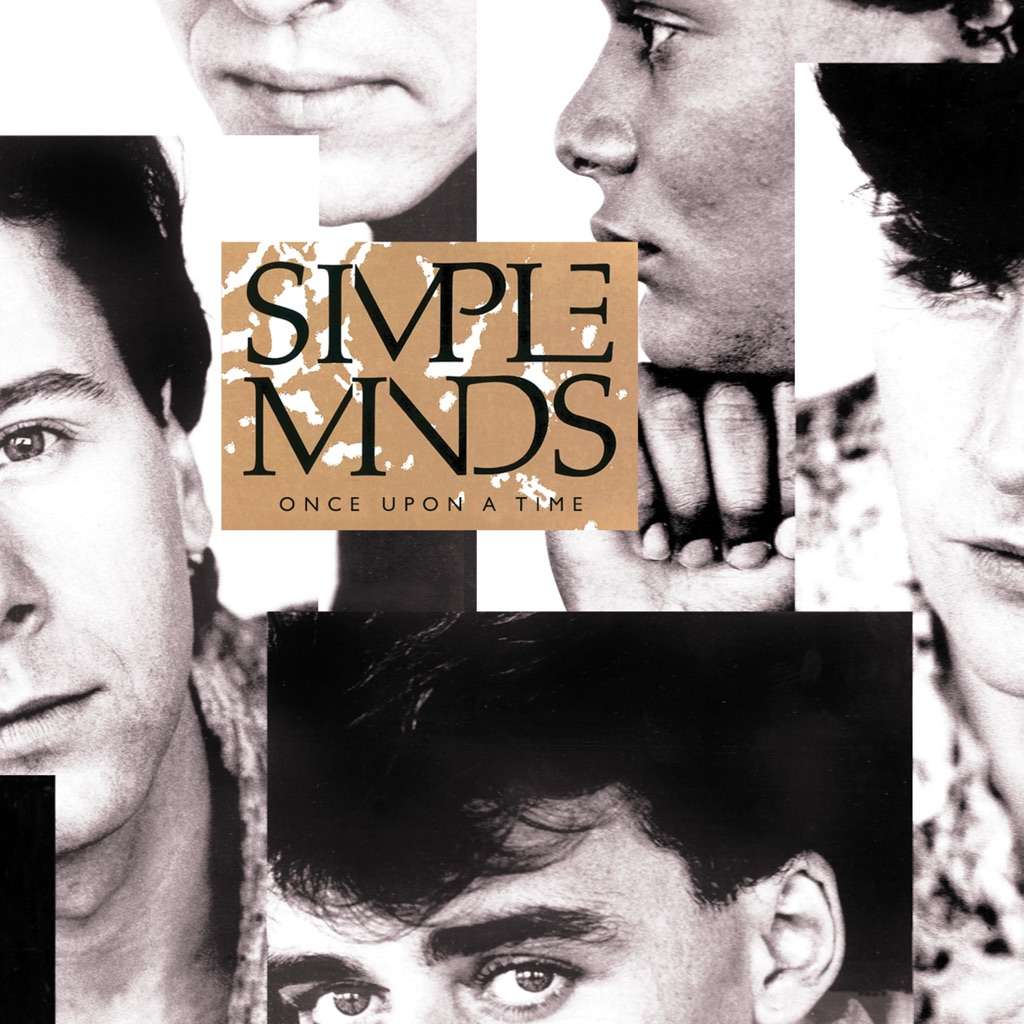
- 4. Once Upon a Time by Simple Minds — 5 plays
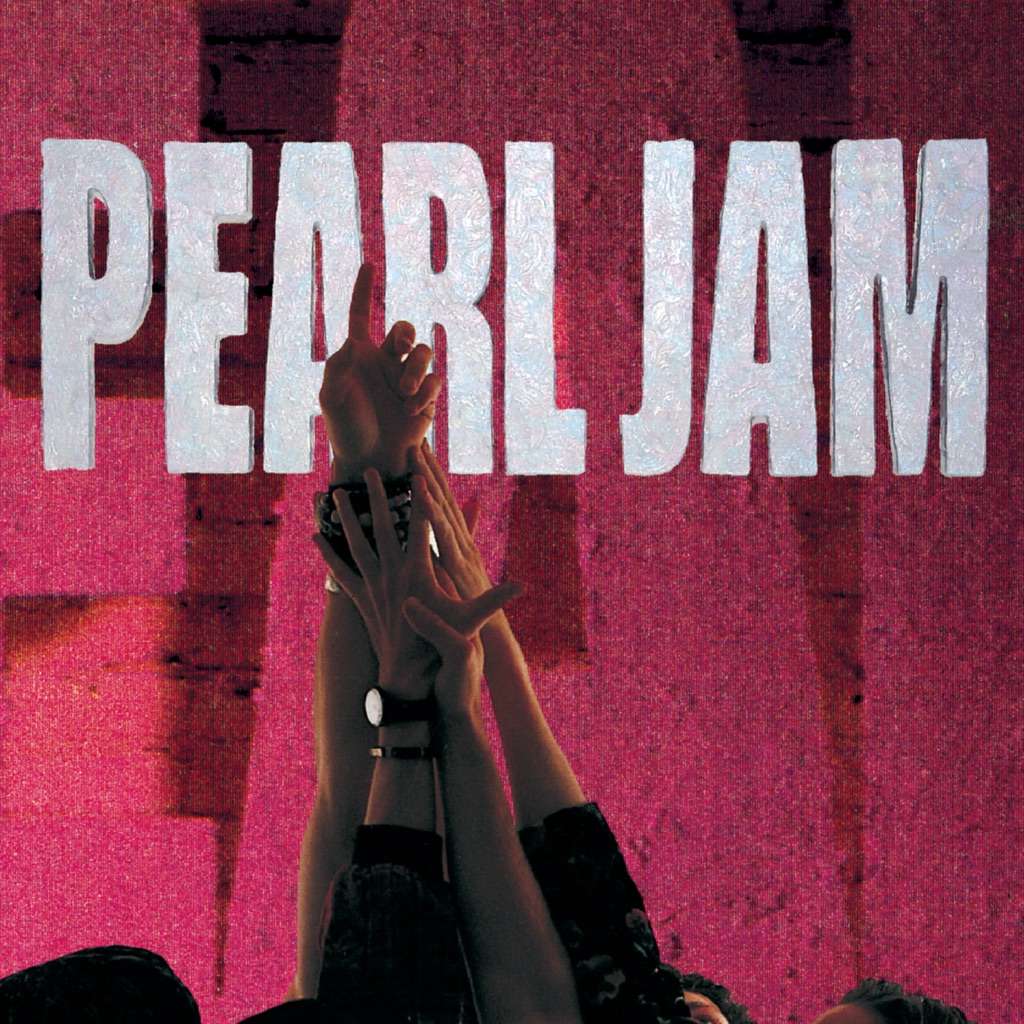
- 5. Ten by Pearl Jam — 5 plays
- 6. Beautiful Ones: The Best of Suede 1992-2018 by Suede — 5 plays
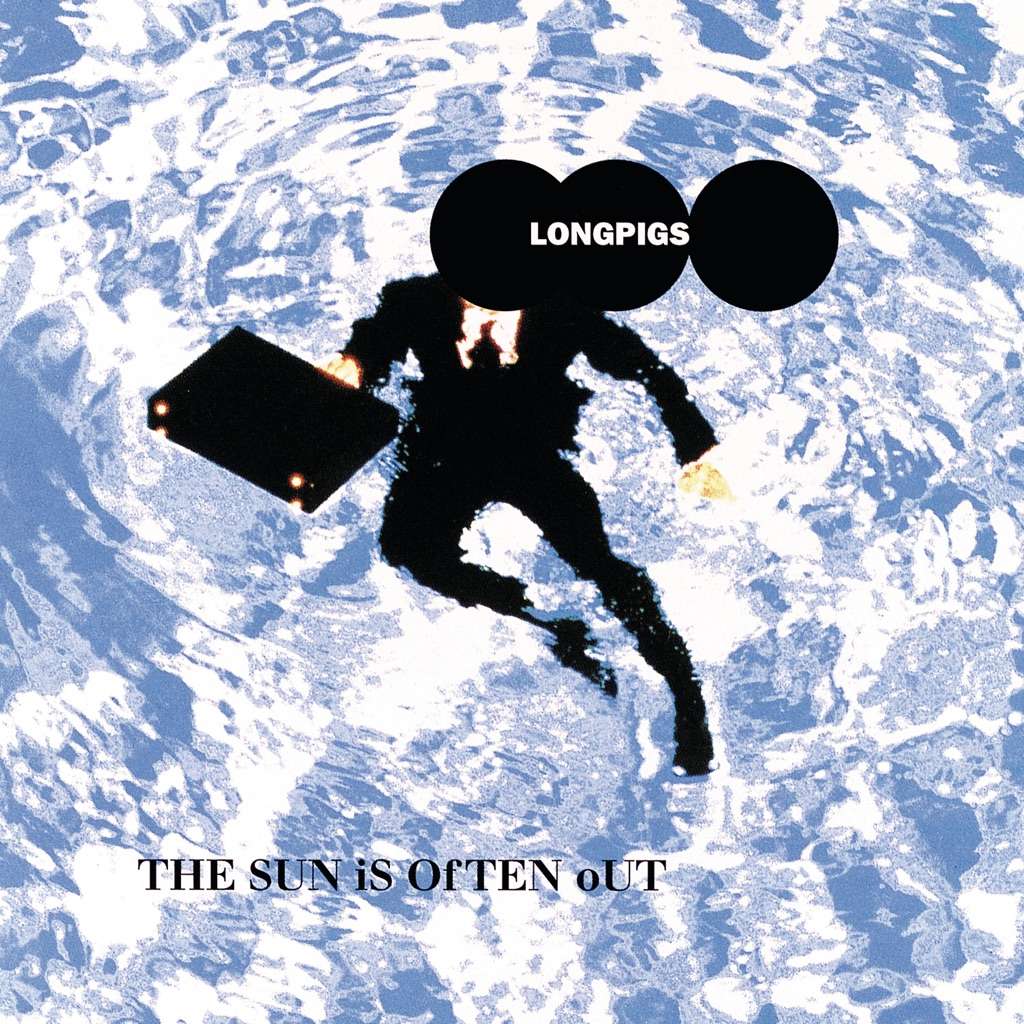
- 7. The Sun Is Often Out by Longpigs — 4 plays
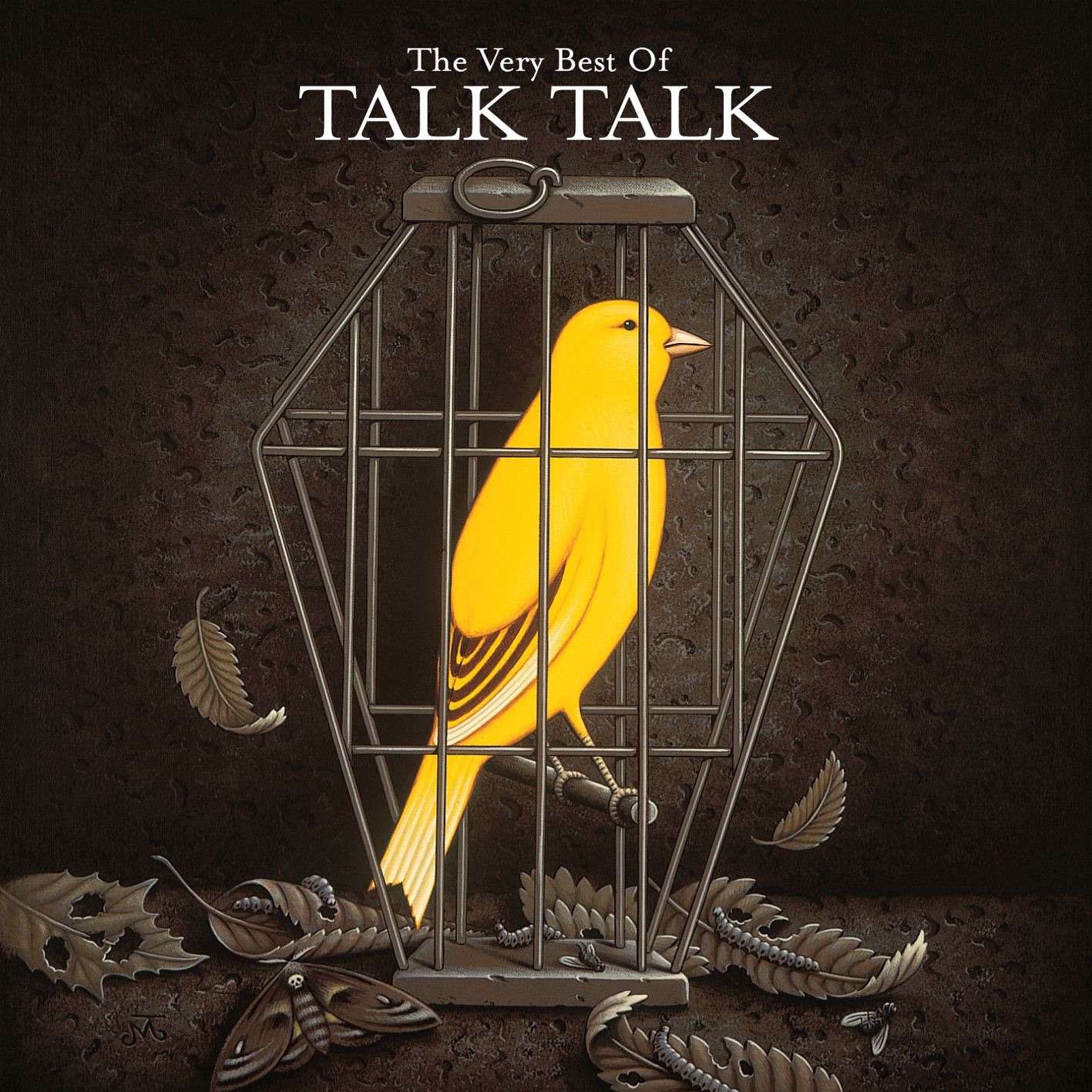
- 8. The Very Best Of by Talk Talk — 4 plays
- 9. Right on Time by Hepcat — 4 plays
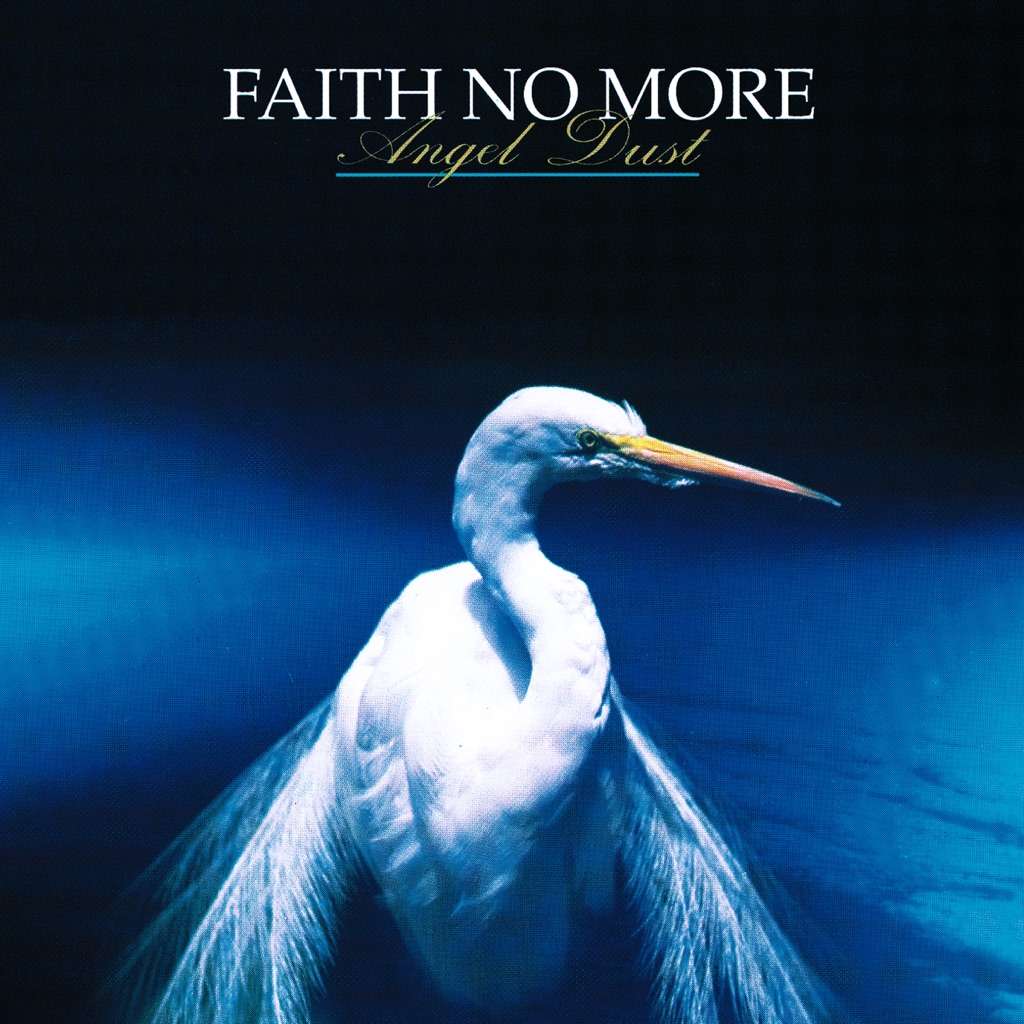
- 10. Angel Dust by Faith No More — 4 plays
View albums 11-50
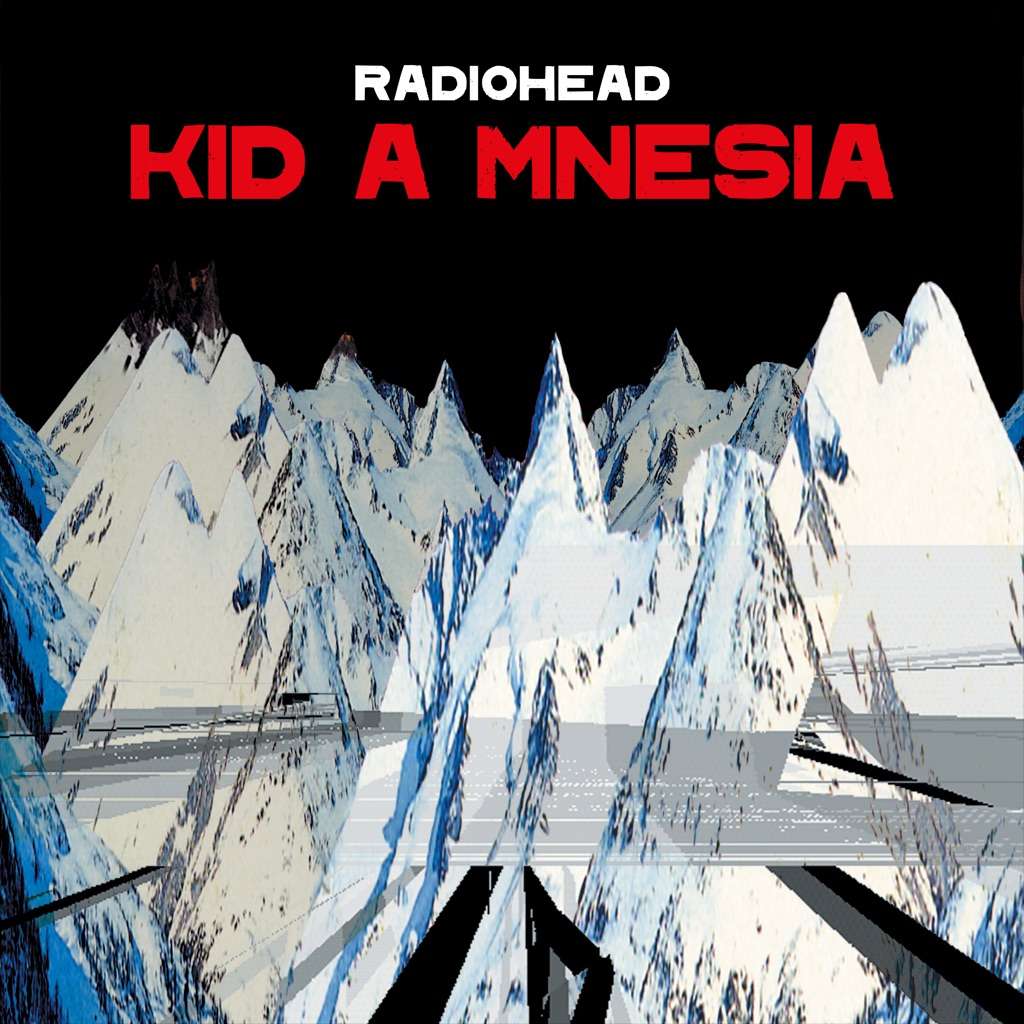
- 11. KID A MNESIA by Radiohead — 4 plays
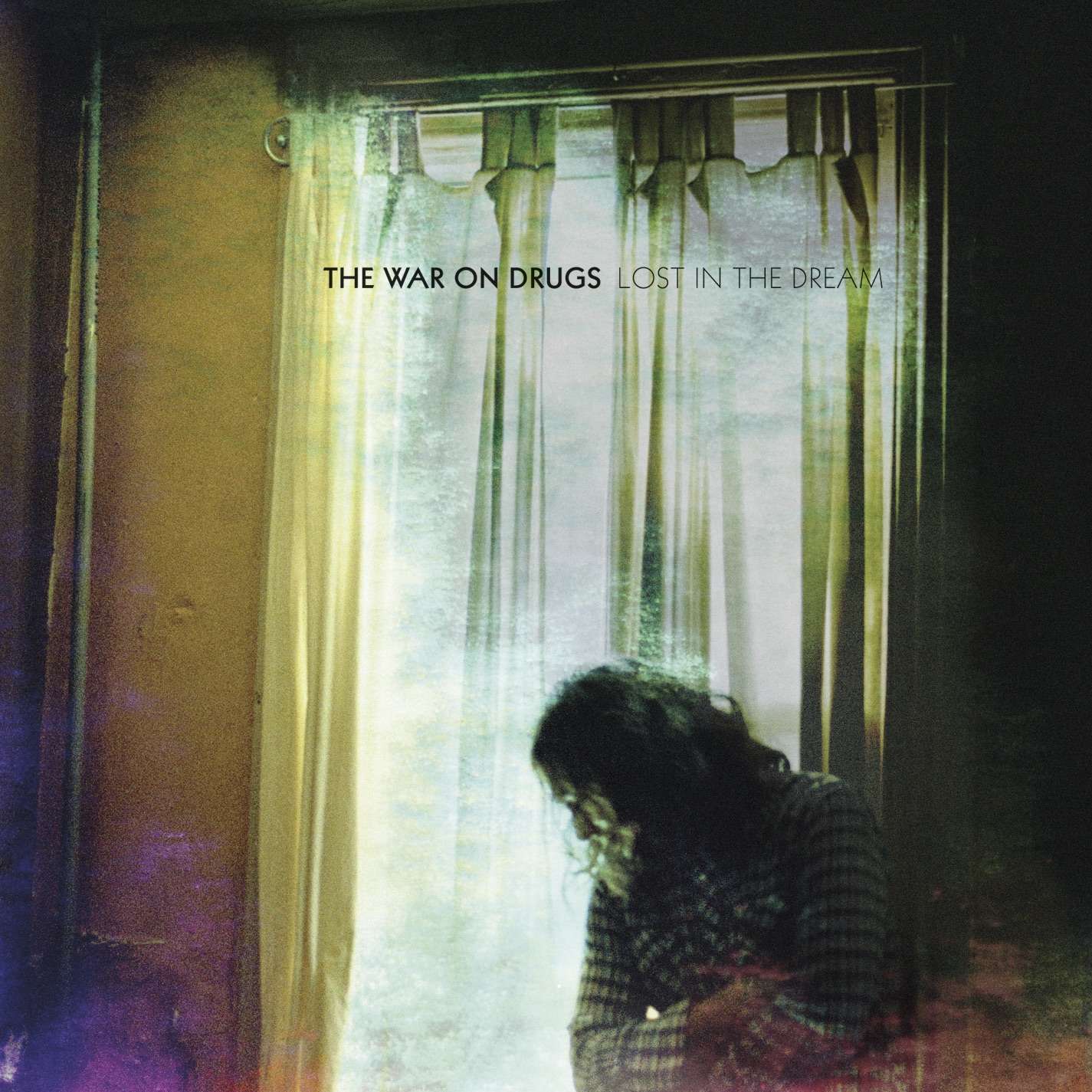
- 12. Lost in the Dream by The War on Drugs — 4 plays
- 13. Rotten Apples: Greatest Hits by The Smashing Pumpkins — 4 plays
- 14. Fresh As A Daisy - The Singles by James — 4 plays
- 15. I’ll Be Your Girl by The Decemberists — 4 plays
- 16. The Joshua Tree by U2 — 4 plays
- 17. i/o by Peter Gabriel — 3 plays
- 18. Greatest Hits by Tom Petty and The Heartbreakers — 3 plays
- 19. Singles by New Order — 3 plays
- 20. Amplifier by Amplifier — 3 plays
- 21. Little Earthquakes by Tori Amos — 3 plays
- 22. The Best of Orchestral Manoeuvres in the Dark by Orchestral Manoeuvres in the Dark — 3 plays
- 23. The Rise and Fall of Ziggy Stardust and the Spiders from Mars by David Bowie — 3 plays
- 24. Hounds of Love by Kate Bush — 3 plays
- 25. Set Yourself on Fire by Stars — 3 plays
- 26. Ziggy Stardub by Easy Star All-Stars — 3 plays
- 27. Ziggy Stardub by Easy Star All-Stars & Maxi Priest — 3 plays
- 28. Ziggy Stardub by Easy Star All-Stars & Naomi Cowan — 3 plays
- 29. Ziggy Stardub by Easy Star All-Stars & Steel Pulse — 3 plays
- 30. Quadrophenia by The Who — 3 plays
- 31. The Unforgettable Fire by U2 — 3 plays
- 32. Gold Against the Soul by Manic Street Preachers — 3 plays
- 33. So by Peter Gabriel — 3 plays
- 34. Retrospective II by Rush — 3 plays
- 35. Retrospective I by Rush — 3 plays
- 36. The Cure: Greatest Hits by The Cure — 3 plays
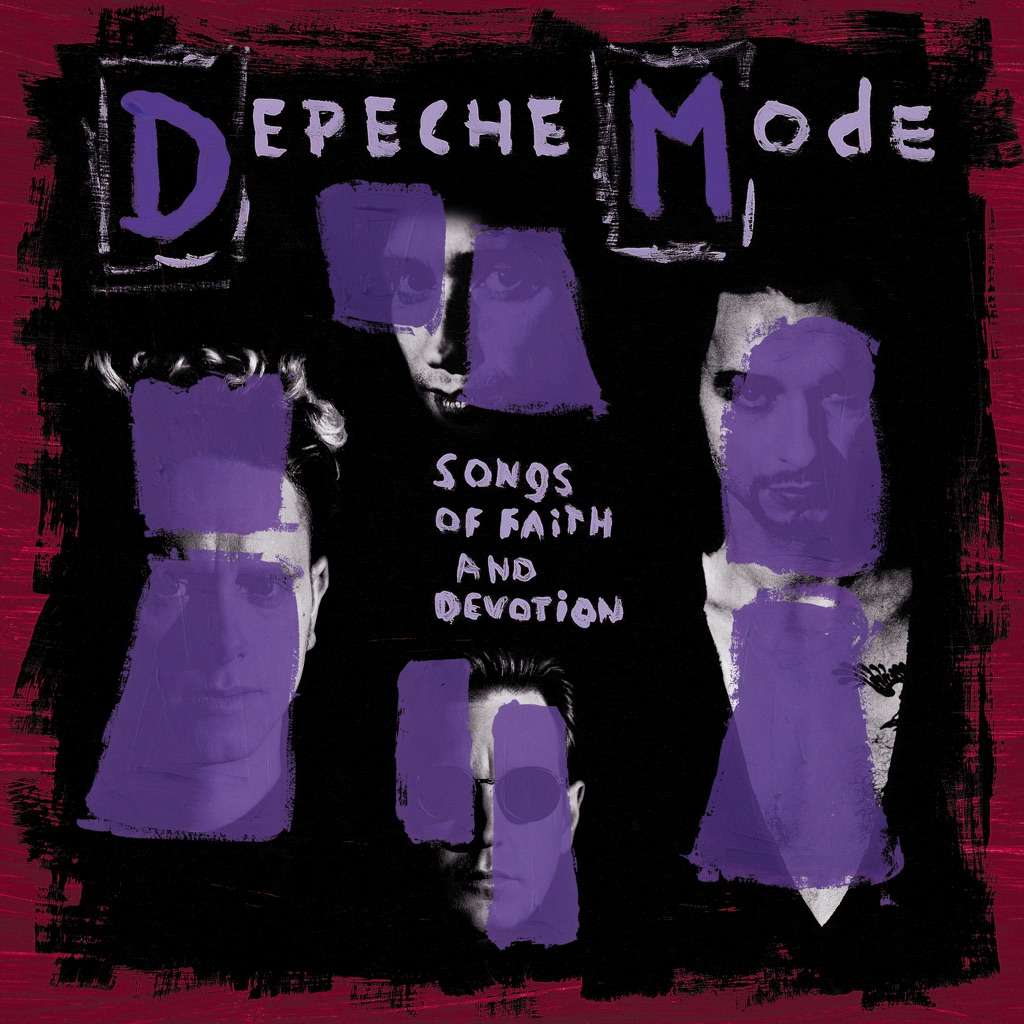
- 37. Songs of Faith and Devotion by Depeche Mode — 3 plays
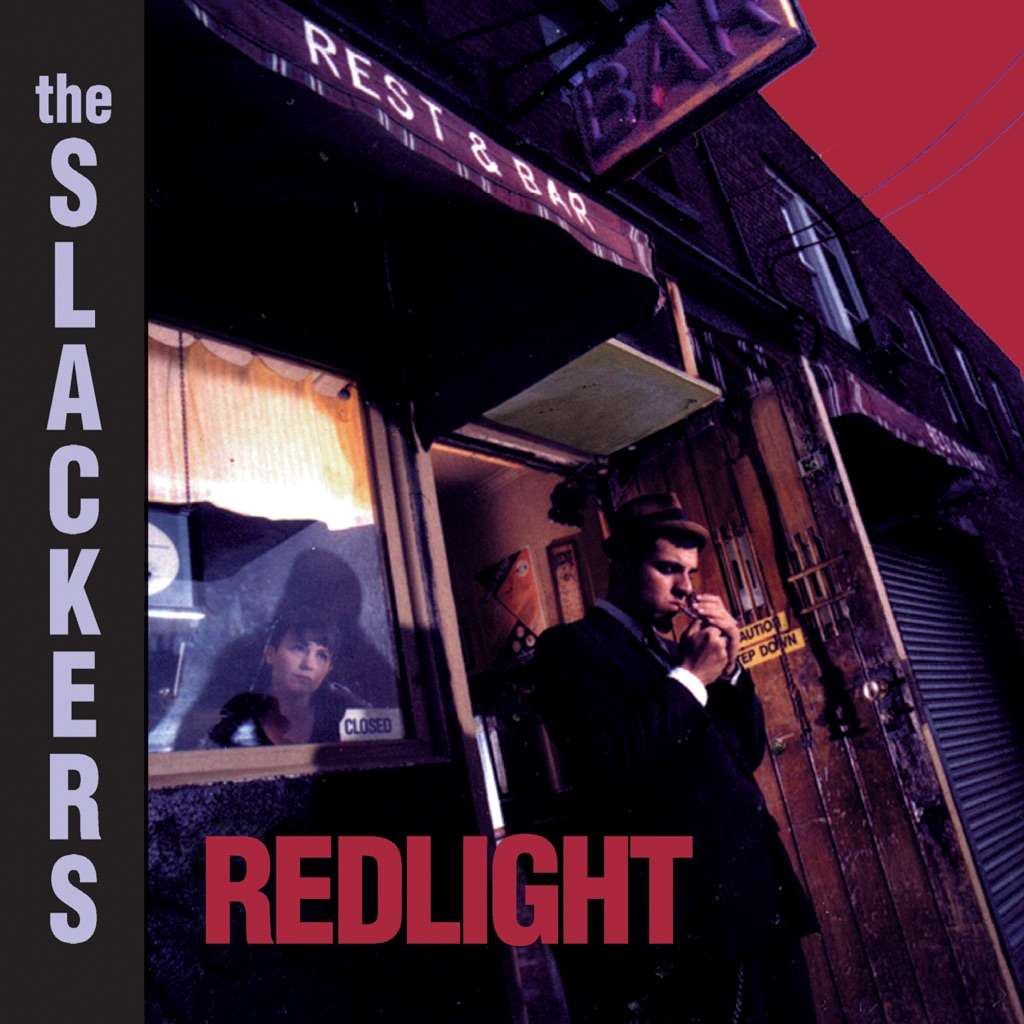
- 38. Redlight by The Slackers — 3 plays
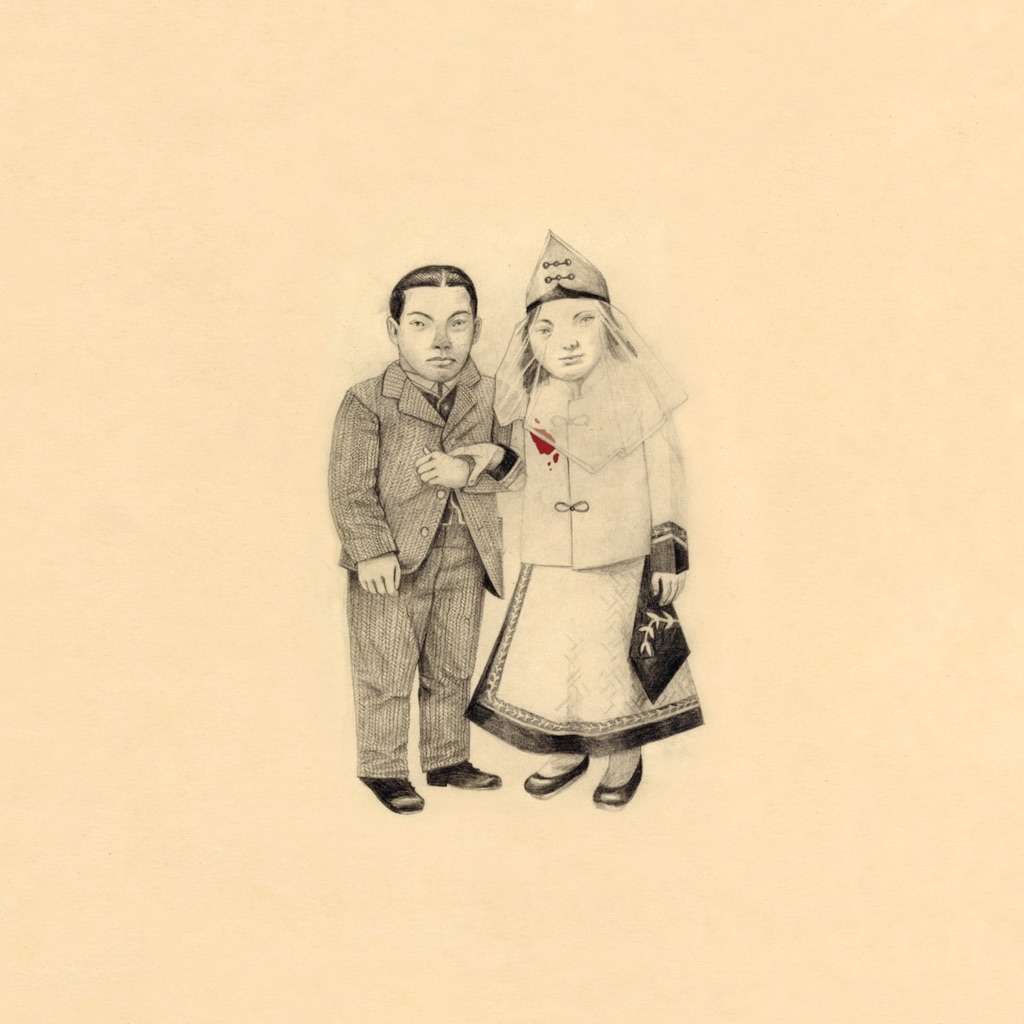
- 39. The Crane Wife by The Decemberists — 3 plays
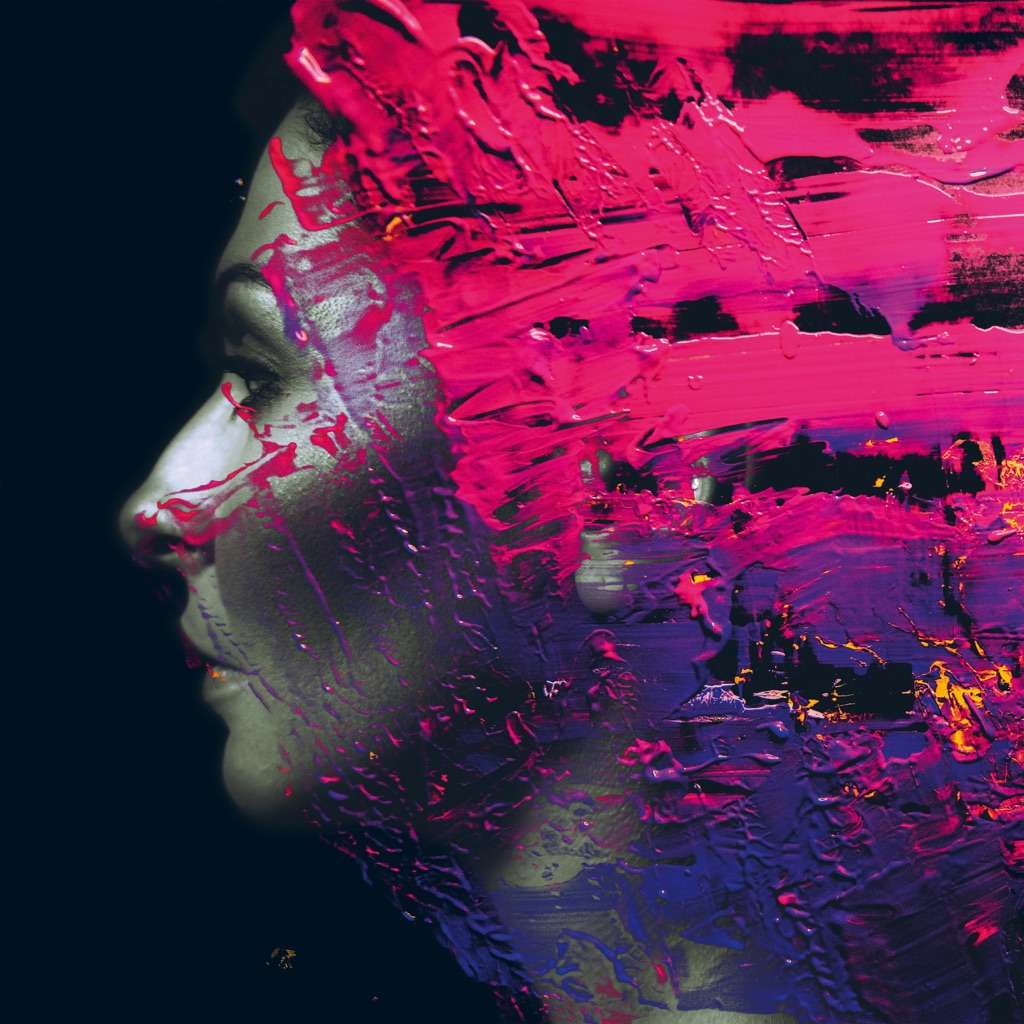
- 40. Hand. Cannot. Erase. by Steven Wilson — 3 plays
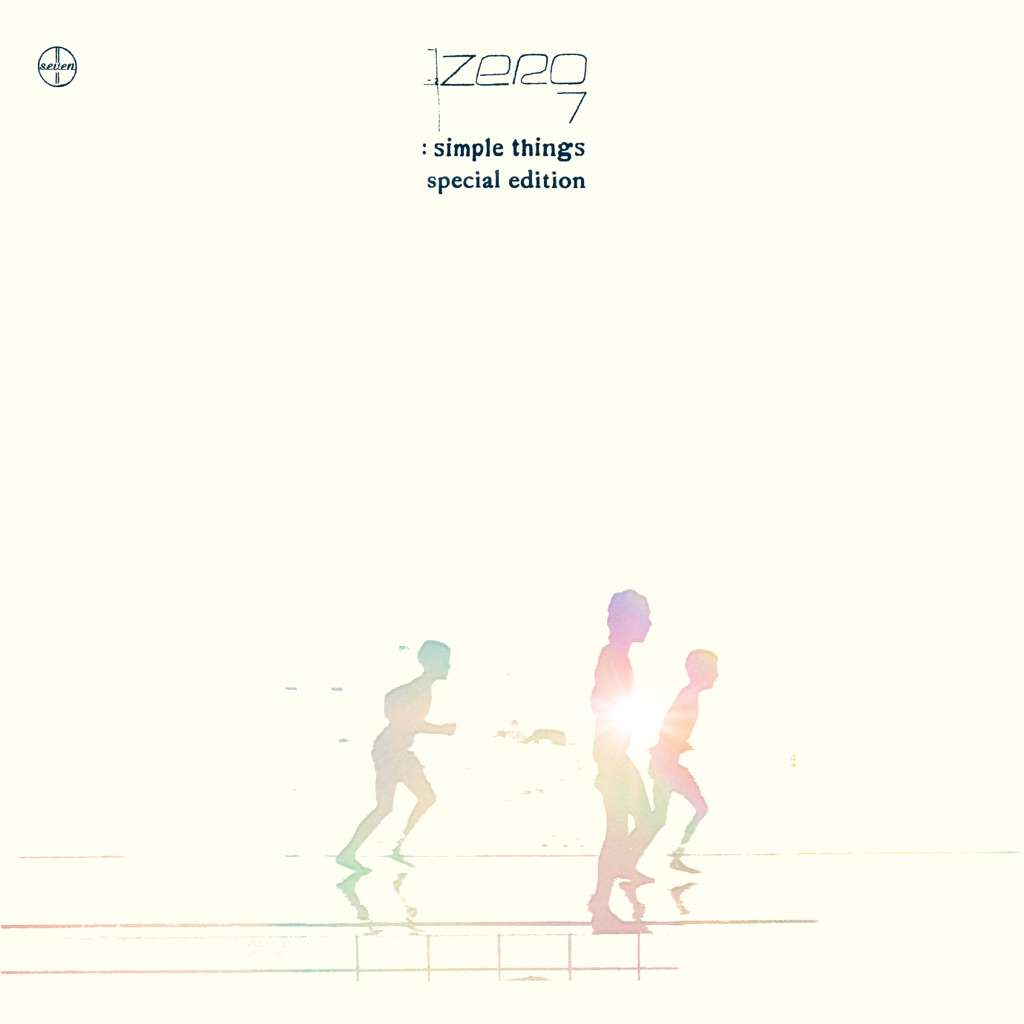
- 41. Simple Things by Zero 7 — 3 plays
- 42. Led Zeppelin II by Led Zeppelin — 3 plays
- 43. Resident Alien by Spacehog — 2 plays
- 44. Woodface by Crowded House — 2 plays
- 45. Where You Been by Dinosaur Jr. — 2 plays
- 46. OK Computer OKNOTOK 1997 2017 by Radiohead — 2 plays
- 47. Peaches: The Very Best of the Stranglers by The Stranglers — 2 plays
- 48. Rearviewmirror by Pearl Jam — 2 plays
- 49. Mary Star of the Sea by Zwan — 2 plays
- 50. Singles Collection 1979 - 2012 by Killing Joke — 2 plays
Monthly Breakdown
Heres how my listening habits shifted throughout the year:
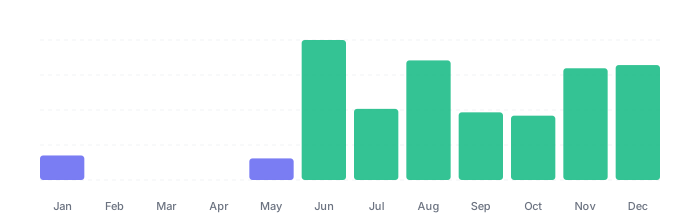
Most active month: June (1,051 plays)
Quietest month: April (0 plays)
Best quarter: Q4 (Oct-Dec) (2,185 plays)
View monthly data as table
| Month | Plays | Above Average |
|---|---|---|
| January | 184 | |
| February | 0 | |
| March | 0 | |
| April | 0 | |
| May | 162 | |
| June | 1,051 | ✓ |
| July | 534 | ✓ |
| August | 898 | ✓ |
| September | 508 | ✓ |
| October | 483 | ✓ |
| November | 839 | ✓ |
| December | 863 | ✓ |
Genre Breakdown
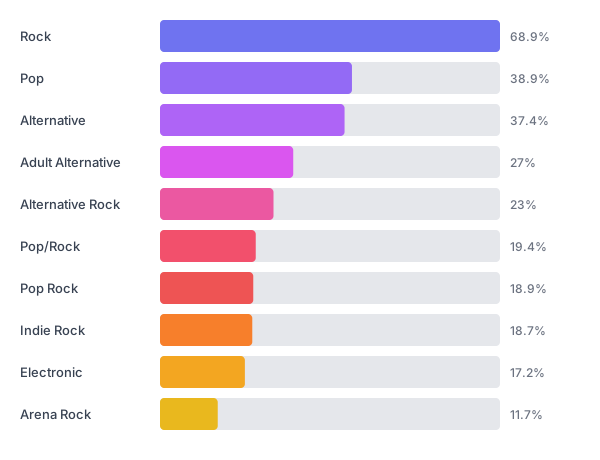
My top genres based on album metadata from my collection:
View as text list
- 1. Rock — 377 plays (6.8%)
- 2. Alternative — 216 plays (3.9%)
- 3. Pop — 183 plays (3.3%)
- 4. Adult Alternative — 159 plays (2.9%)
- 5. Alternative Rock — 132 plays (2.4%)
- 6. Indie Rock — 104 plays (1.9%)
- 7. Pop/Rock — 96 plays (1.7%)
- 8. Electronic — 90 plays (1.6%)
- 9. Pop Rock — 85 plays (1.5%)
- 10. Arena Rock — 70 plays (1.3%)
Hidden Gems
These albums might not have topped the charts, but they earned a special place in my rotation:
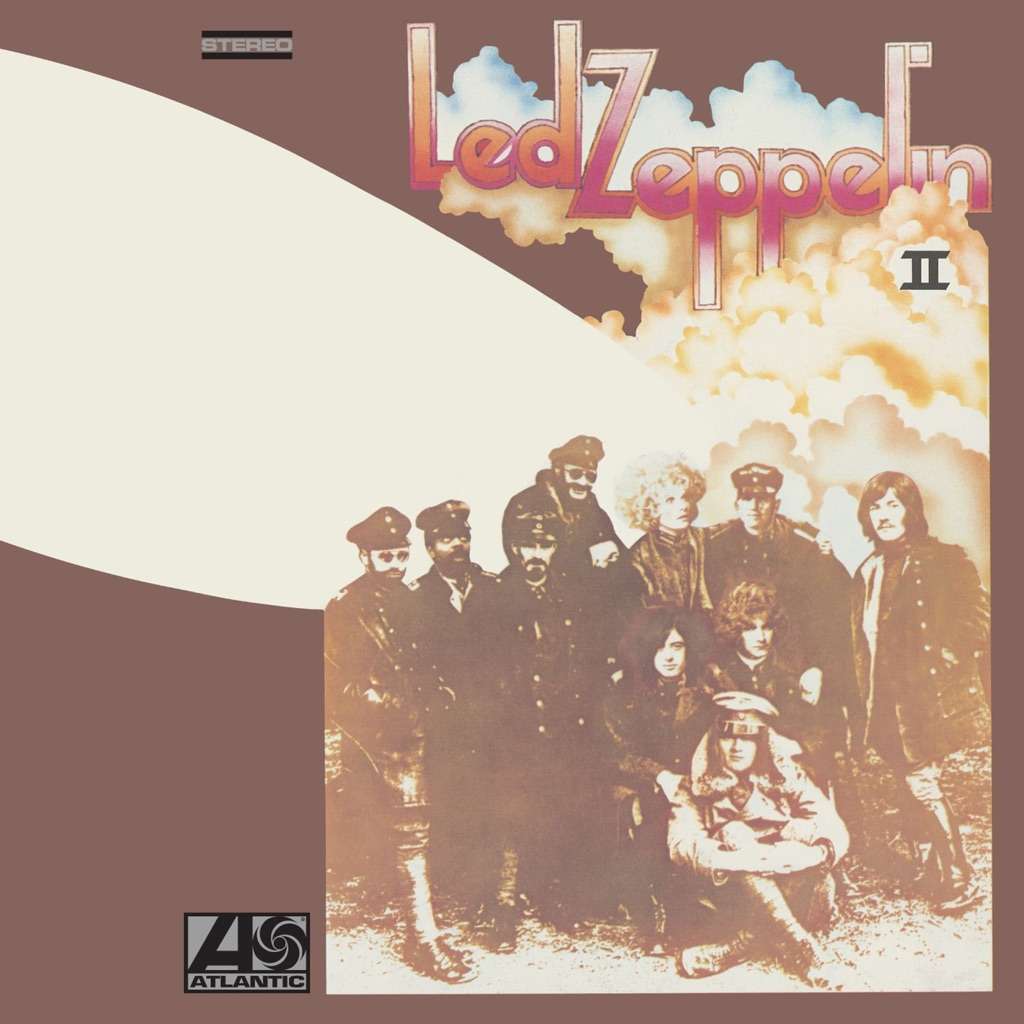
- “Led Zeppelin II” by Led Zeppelin
- “Simple Things” by Zero 7
- “Hand. Cannot. Erase.” by Steven Wilson
- “The Crane Wife” by The Decemberists
- “Redlight” by The Slackers
- “Songs of Faith and Devotion” by Depeche Mode
New Discoveries (Released in 2023)
These albums were released in 2023 and made their way into my rotation:
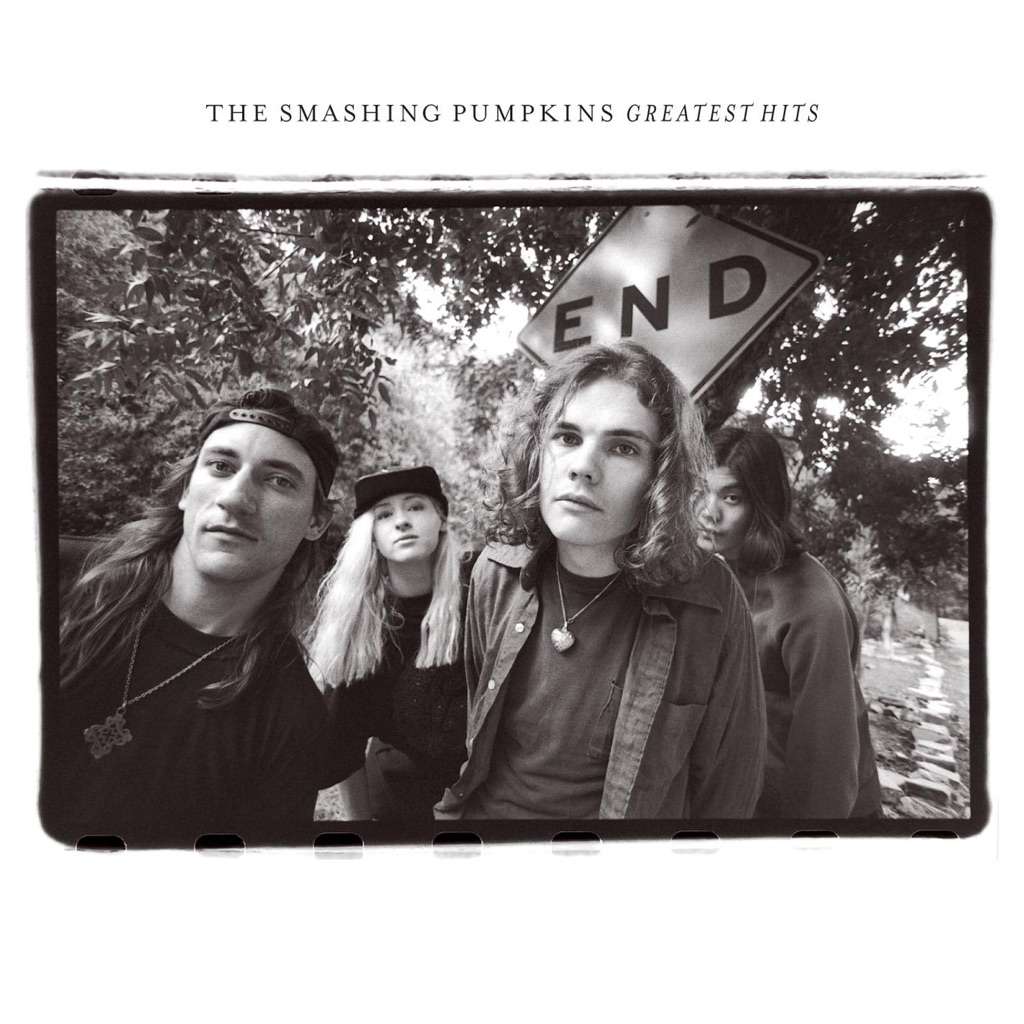
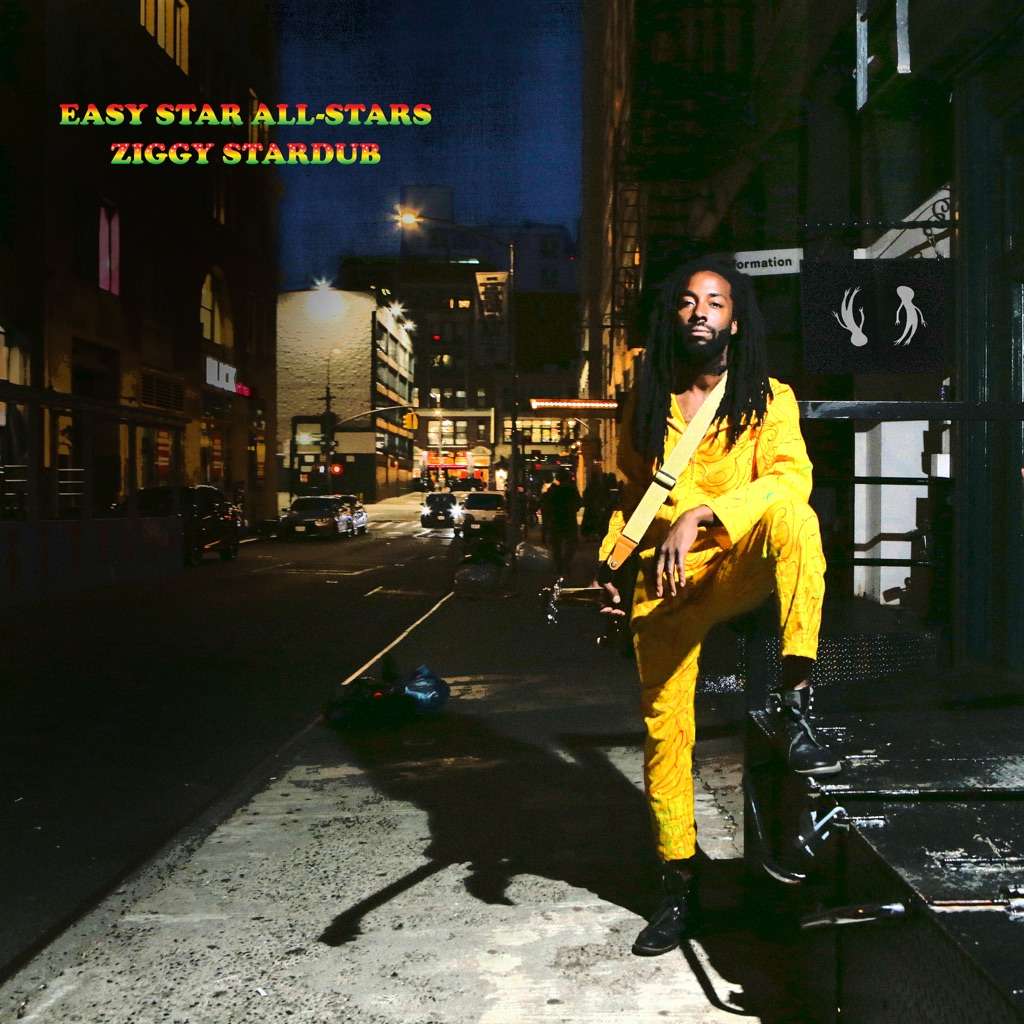
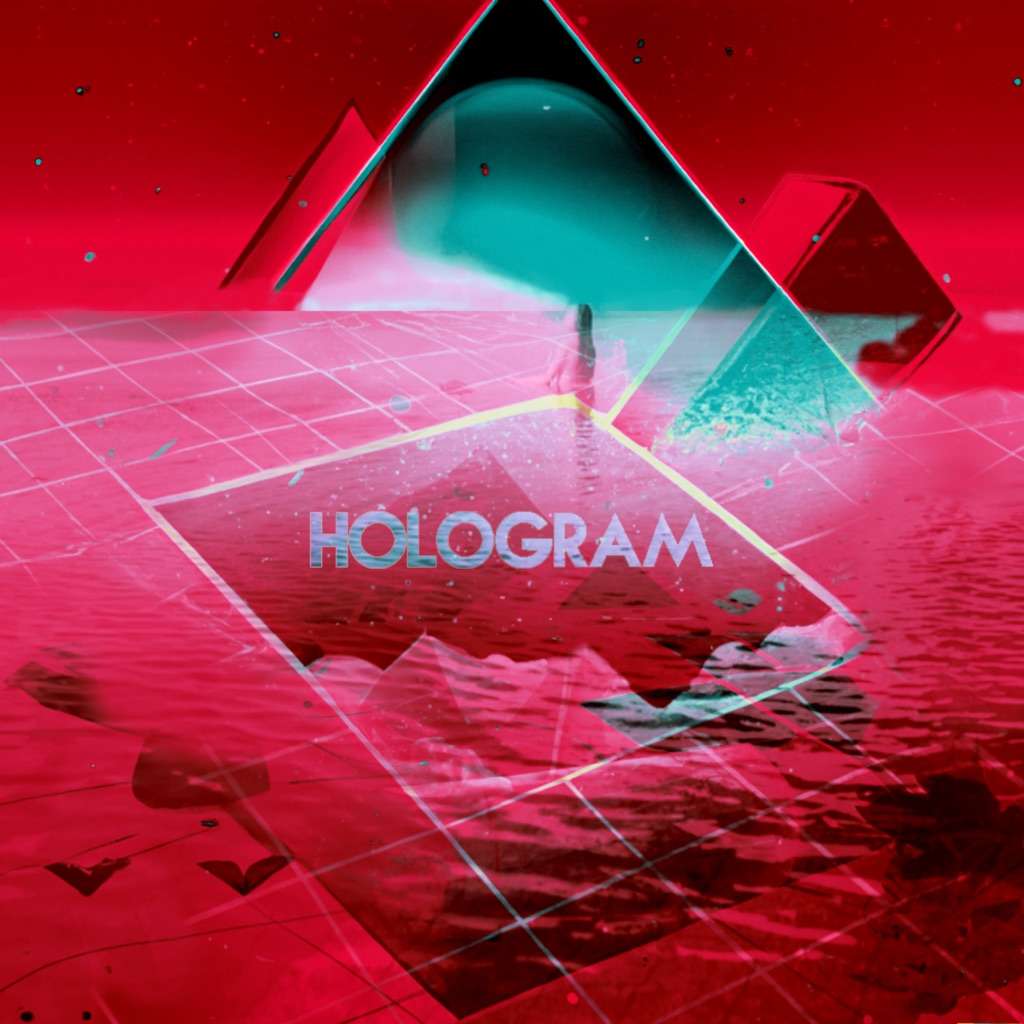
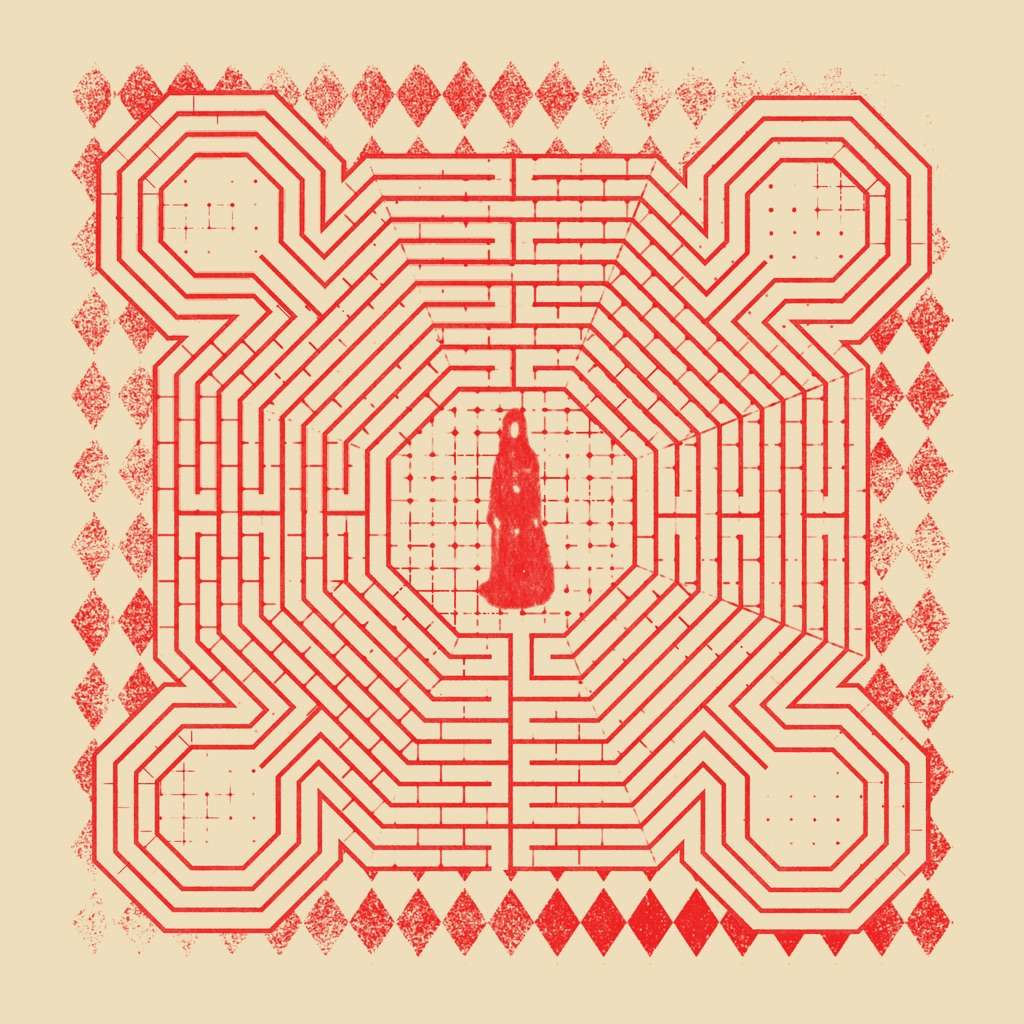
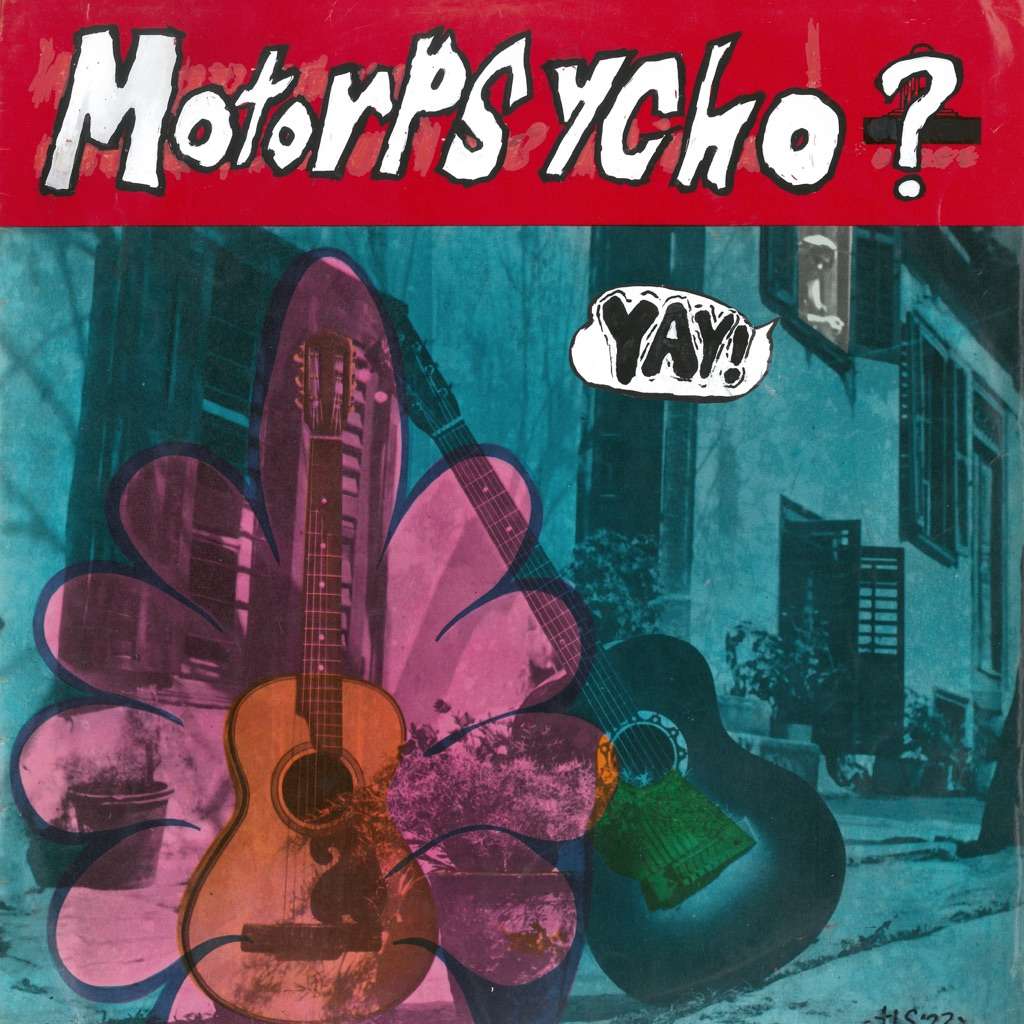
- “Rotten Apples: Greatest Hits” by The Smashing Pumpkins
- “Ziggy Stardub” by Easy Star All-Stars
- “Hologram” by Amplifier
- “everything is alive” by Slowdive
- “Yay!” by Motorpsycho
Featured Albums
Core by Stone Temple Pilots 🎸
5 plays in this year
Recording journey and creation story 🎙️
Core was tracked fast and furious — recorded in about three weeks in May 1992 at Rumbo Recorders in L.A. with producer Brendan OBrien (fresh off work with other big rock acts). The sessions were collaborative and a little experimental: Scott Weiland famously hummed riffs to Robert DeLeo, and on “Dead and Bloated” he sang straight into a guitar pickup to get a gritty, microphonic vocal texture. The band brought tight arrangements and big-idea ambition — “Where the River Goes” closes the record as an eight‑minute epic — while keeping a live, immediate feel that made the songs land hard on first listen.
Musical style and what makes it distinctive 🎚️
Core blends grunge’s sludge and angst with hard-rock riffs, touches of psychedelic and glam, and even funk-leaning rhythms. Dean DeLeo’s guitar parts move between crunchy Zeppelin-esque chugs and trippy modal lines; Robert DeLeo’s bass and melodic instincts (he also wrote hits like “Plush”) anchor many tracks with unexpected hooks. Scott Weiland’s voice — theatrical, venomous, then soulful — gives the songs a dramatic center. That hybrid of heavy, hooky songwriting plus a willingness to borrow from 60s/70s rock is what gives Core its distinctive voice.
Reception, sales, and early controversy 📈
Released September 1992, Core became a massive commercial breakthrough: multi‑platinum in short order and ultimately one of the decade’s best‑selling debuts (RIAA certified multi-platinum). Singles like “Sex Type Thing,” “Plush,” “Creep” and “Wicked Garden” dominated alternative radio; “Plush” earned major awards and helped cement the band on MTV and mainstream playlists. Yet critics were divided — some dismissed STP as derivative of Seattle grunge, partly because the band hailed from California and bypassed the indie-to-underground route. The tension between critical skepticism and runaway popularity is a big part of Core’s story.
Legacy, context, and how it pushed rock forward 🔥
Core arrived during the alternative/grunge explosion but widened the palette: it proved grunge’s textures could fuse with classic hard‑rock songwriting and glam melodrama, helping shape post‑grunge radio while keeping album-oriented ambition. Its DIY moments — immediate takes, inventive mic techniques, and in-studio invention — show a band drawing on indie ethos even on a major label. The record influenced 90s alt-rock bands that wanted both grit and big hooks, and it challenged rock conventions by mixing theatrical vocals, extended compositions, and glossy singles without losing an edge. Decades on, Core still sounds like a record trying to be both dangerous and unforgettable — and succeeding.
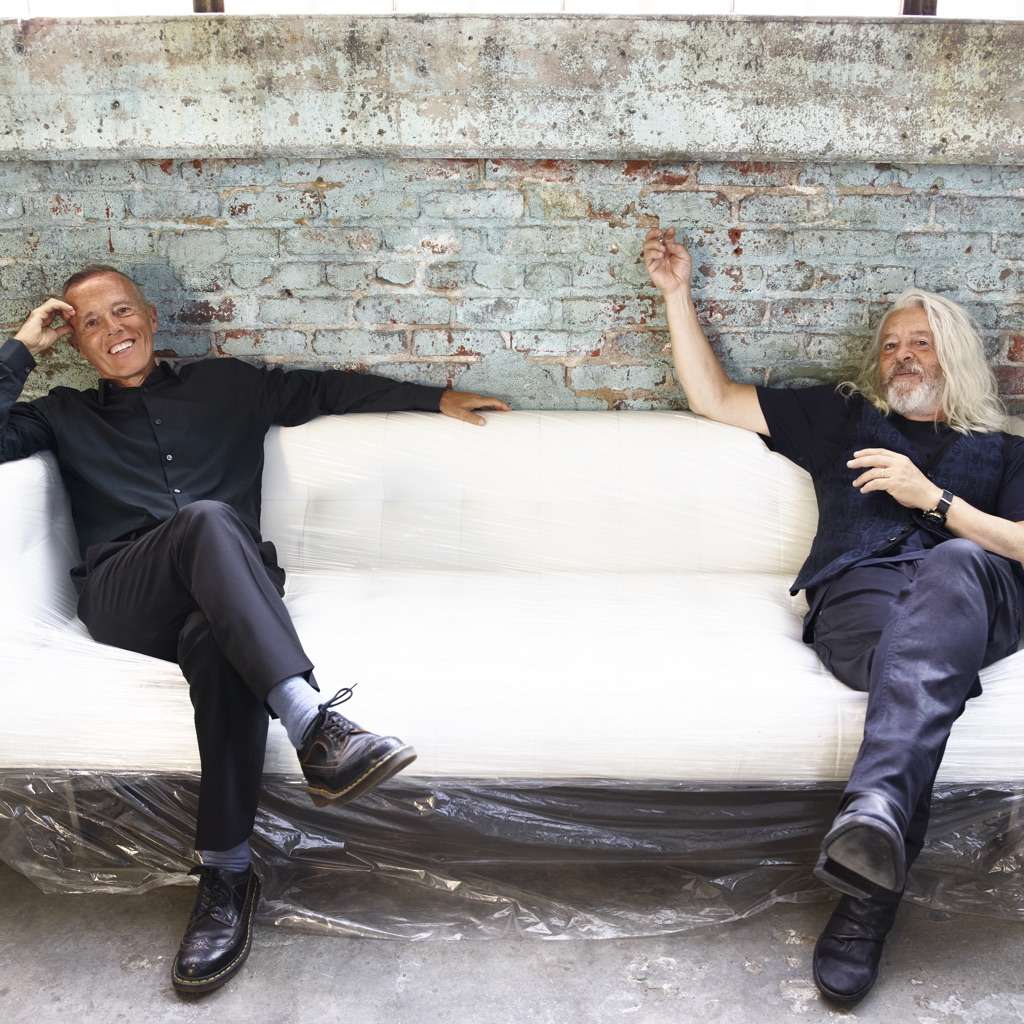
Songs from the Big Chair by Tears for Fears 🎧
5 plays in this year
Recording & creation 🎚️
Released in 1985, Songs from the Big Chair was Tears for Fears’ deliberate leap from the claustrophobic synth‑pop of The Hurting to a widescreen, arena‑ready sound. The title comes from the 1976 TV film Sybil — the “big chair” as a therapy trope — which reflects the band’s ongoing fascination with psychology and primal‑scream ideas. Production was led by Chris Hughes with heavy creative input from Roland Orzabal and Ian Stanley; sessions stretched over months as songs were built, deconstructed and rebuilt. Fun fact: “Everybody Wants to Rule the World” was the last song written for the album and came together in about a week, while other tracks ran over six minutes and forced the band to pare the vinyl to just eight expansive pieces.
Sound & style — what makes it distinctive 🎹
What sets the album apart is its hybrid identity: synth‑pop/new‑wave sensibilities married to pop‑rock dynamics. It keeps layered synth pads, arpeggios and sequenced patterns at its core, but overlays them with jangly guitars, live bass and drumming — producing warmth and a human pulse that pure synth records often lacked. The arrangements favor big choruses and dramatic builds (listen to the slow escalation of “Shout”), yet the lyrics keep an introspective and political edge: power and corruption in “Everybody Wants to Rule the World,” catharsis in “Shout,” and tenderness in “I Believe.” The album’s bookending of “Broken” and “Head Over Heels” shows their artful use of motifs and sequencing, almost like personalities occupying the same “big chair.”
Production aesthetics & synth palette ⚙️
Mid‑’80s studio polish is all over the record: gated reverb drums, roomy digital reverbs, tightly programmed sequences and multi‑layered synth textures. Rather than replacing traditional instruments, synths provide atmosphere, hooks and rhythmic scaffolding — pads for emotional swells, arpeggiated lines for momentum, and melodic synth leads that sit beside guitar lines. The production balances electronic precision with live energy, giving the album both sheen and soul.
Reception, MTV & legacy 📺
Commercially it was a breakthrough: multi‑platinum sales worldwide, US No.1 and prolonged chart life in the UK. Singles — especially “Shout” and “Everybody Wants to Rule the World” — became MTV staples; their videos translated the band’s psychological seriousness into cinematic, accessible images and widened their audience. Over time the album has become a landmark of 1980s pop: a template for marrying thoughtful, darker themes to radio‑friendly production and a touchstone for later artists who mined the emotional, synth‑forward ‘80s sound.
Duke by Genesis 🎹
5 plays in this year
Recording history & the making of the album 🎧
After a rare long break (each member had dabbled in solo work), Genesis reconvened in 1979 to write at Phil Collins’ house, sketching songs from short ideas into fuller tracks. They recorded Duke from October–December 1979 at Polar Studios in Stockholm (ABBA’s studio), with the band producing alongside David Hentschel (his last full production with Genesis). It’s the band’s second record as a three-piece—Banks, Rutherford and Collins—and the sessions emphasized collaboration: five of the dozen tracks are credited to all three, while the rest grew from individual pieces. Fun bit: much of the material was assembled from fragments the trio had been carrying around—hence the album feels stitched together in places and deliberately tighter in others.
Musical style, synths and production tricks ⚙️
Duke sits at the crossroads of prog and pop. Tony Banks leans heavily on piano (notably the Yamaha CP-80) and sequenced synth textures rather than sprawling Mellotron epics; Mike Rutherford trades between fluid bass and tasteful guitars; Phil Collins tightens the rhythmic pulse with inventive drum patterns. The record introduces drum machines and sequencer-driven parts to Genesis’ palette, giving it a cleaner, more modern 1980s sheen without abandoning complex time signatures—“Turn It On Again” famously rides an awkward 13/8 groove. David Hentschel’s production foregrounds clarity: drums and piano are punchy, synths are used texturally, and the band’s new trio dynamic is sonically front-and-center.
Reception, MTV-era positioning & pop crossover 📺
Released in early 1980, Duke became Genesis’ first UK No. 1 and pushed them further into the international mainstream (it reached the US Top 20). Singles like “Misunderstanding” and “Turn It On Again” helped radio and early video-era exposure—Duke predated MTV but was perfectly timed for the visual 80s, with compact, hook-forward songs that translated well to promos and live TV. Critics generally welcomed the album’s tighter focus: it was seen as the moment Genesis proved they could marry prog cred and pop accessibility without sounding watered down.
Legacy, concept and compositional ambition ♟️
Duke contains a loose concept—the “Duke Suite” (Behind the Lines → Duchess → Guide Vocal → Turn It On Again → Duke’s Travels → Duke’s End)—that traces themes of fame, identity and dislocation, stitched together more by motif than strict narrative. Instrumentals like “Los Endos” act as affectionate nods to their past and became concert closers for years. The record’s legacy is practical: it’s the bridge from 70s prog to 80s arena-pop, a turning point that helped launch Phil Collins as a mainstream star while keeping Genesis intellectually interesting for prog fans.
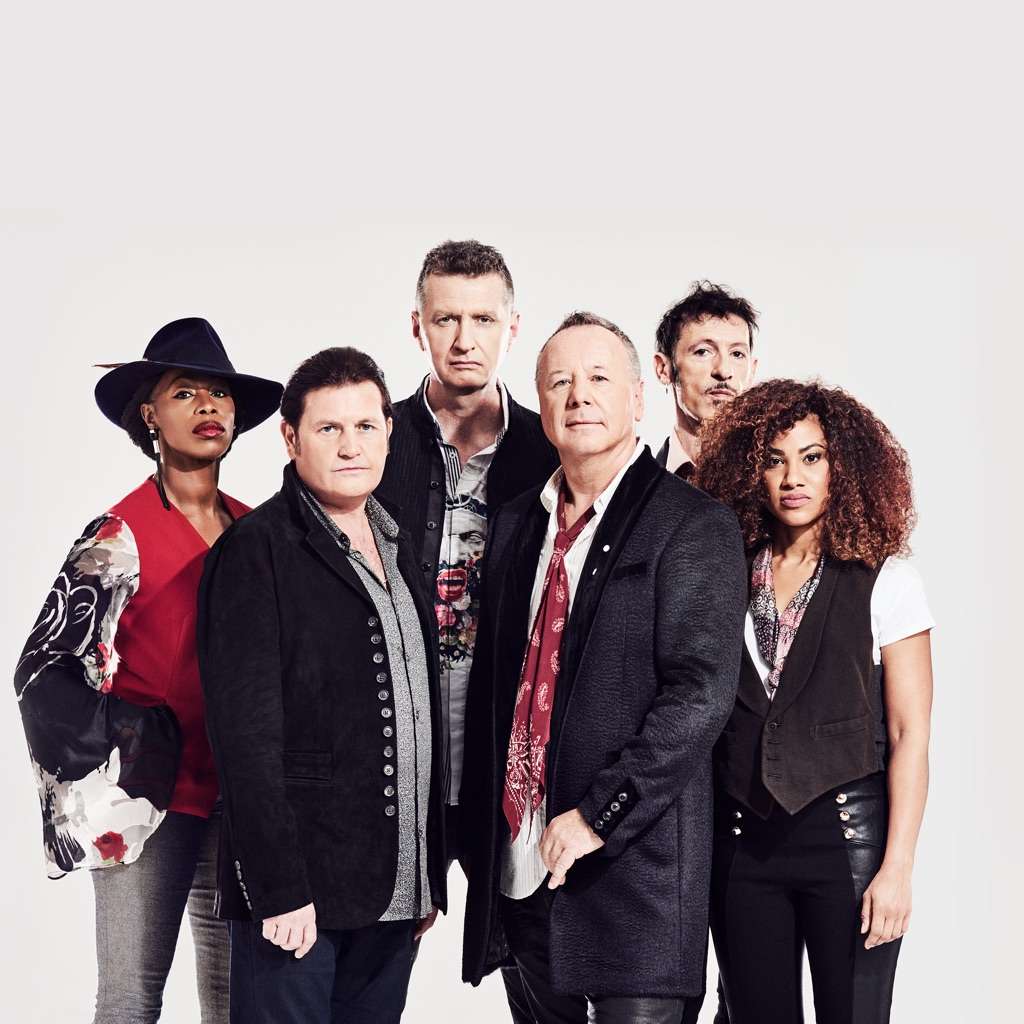
Once Upon a Time by Simple Minds 🎧
5 plays in this year
Recording history & creation process 🛠️
Once Upon a Time (Oct 1985) was Simple Minds’ big-studio leap: recorded at London’s Townhouse and finished with mixes in New York, produced by Jimmy Iovine and mixed by Bob Clearmountain, mastered by Bob Ludwig. That team pushed the band toward a louder, more polished arena sound — Iovine in particular encouraged Jim Kerr to sing bigger and more directly. The sessions brought in seasoned players and backing vocalists (session bass by John Giblin; guests including Michael Been and Carlos Alomar), tightening arrangements for radio. An interesting aside: their US breakthrough single, “Don’t You (Forget About Me),” wasn’t on the album — it had been a standalone soundtrack hit that propelled the band into this more commercial phase.
Musical style & distinctive traits 🎹⚡
Musically the record sits at the crossroads of new-wave, synth-pop and stadium rock. Michael MacNeil’s keyboards provide the shimmering synth beds, Charlie Burchill’s guitar alternates between chiming textures and soaring leads, and Mel Gaynor’s drums get that big-80s punch courtesy of Clearmountain’s mixes. What makes it distinctive is the blend: art-school ambience and post‑punk drama wrapped in radio-size hooks — think expansive, cinematic arrangements (“Alive and Kicking,” “Oh Jungleland”) that still keep a taut rhythmic drive.
Reception, legacy & influence 📈
Once Upon a Time hit No. 1 in the UK and cracked the US top 10, selling around two million copies and cementing Simple Minds as international stadium players. Singles like “Alive and Kicking” and “Sanctify Yourself” became MTV staples. Critics were split — some praised the ambition and sheen, others missed the darker edge of earlier records — but the album’s commercial success broadened the band’s influence: it became a template for 80s bands aiming to translate post‑punk credibility into mainstream arena appeal. Multiple deluxe reissues (notably 2015) show lasting appetite for the era’s sessions and mixes.
Synths, production, MTV & the underground ↔ mainstream balance 🎛️📺
Synthesizers and 80s production techniques (gated reverb, glossy mixes, layered keys) are integral — they convert the band’s earlier atmospheric experiments into anthemic pop. Clearmountain’s drum sound and Iovine’s push for vocal immediacy are audible throughout. MTV’s visual era amplified the effect: high-rotation videos turned songs into anthems and helped translate the band’s art-school theatricality into mass-market spectacle. Yet the record still carries post‑punk energy — dramatic dynamics, poetic lyrics and angular guitar work — allowing Simple Minds to walk the line between underground authenticity and mainstream blockbuster.
Ten by Pearl Jam 🎸
5 plays in this year
Recording & creation story 🛠️
Ten sprang from the ashes of Mother Love Bone after frontman Andrew Wood died in 1990. Guitarist Stone Gossard’s demo tape—mostly instrumental jams—reached Eddie Vedder in San Diego; Vedder wrote lyrics and greeted the band with the now-famous vocal parts. The album was tracked quickly at London Bridge Studios in Seattle (Rick Parashar producing, Tim Palmer mixing) in spring 1991, with Dave Krusen on drums. The sessions tried to capture live energy: analog tape, minimal overdubs and plenty of spontaneous moments (Parashar even played piano/organ on a few tracks). A quirky aside: the band later grumbled about the heavy reverb on the mix, and Epic changed Jeff Ament’s intended burgundy cover to pink without the band’s full enthusiasm. Krusen left after recording for rehab—early proof that the band’s path would be rocky.
Musical style and what makes it distinctive 🎶
Ten fuses grunge’s gritty textures with classic hard-rock songwriting and big-voice melodicism. Where Nirvana pushed punk immediacy, Pearl Jam leaned into soaring dynamics—quiet verses and massive choruses—riffs that could fill arenas, and Vedder’s baritone storytelling. Songs like “Once,” “Even Flow,” and “Jeremy” combine jagged guitars, driving bass, and anthemic hooks; ballads like “Black” reveal deep, intimate heartache. The result is raw but radio-ready: emotional authenticity wrapped in muscular rock arrangements.
Reception, sales, and early impact 🌍
Released August 1991, Ten took a while to break but exploded once word-of-mouth and relentless touring kicked in. It peaked at No. 2 on the Billboard 200, went on to sell over 17 million copies worldwide (13× platinum in the U.S.), and spawned enduring singles: “Alive,” “Even Flow,” and “Jeremy.” Critics praised its emotional power and craft—calling it a finely tuned hard-rock masterpiece—and audiences embraced Pearl Jam as a live force.
Legacy, context, and how it changed rock 🔥
Ten helped mainstream the Seattle sound without surrendering a DIY ethos: its raw recording approach, anti-glam stance, and honest lyrics pushed alternative rock into the spotlight. It responded to the ‘90s musical diversity by rejecting polished hair-metal excess and reintroducing vulnerability and classic-rock ambition into youth culture. Its legacy is two-fold: songs that remain staples of rock radio and a model for bands balancing indie credibility with mass appeal—redefining what mainstream rock could feel like in the 1990s.