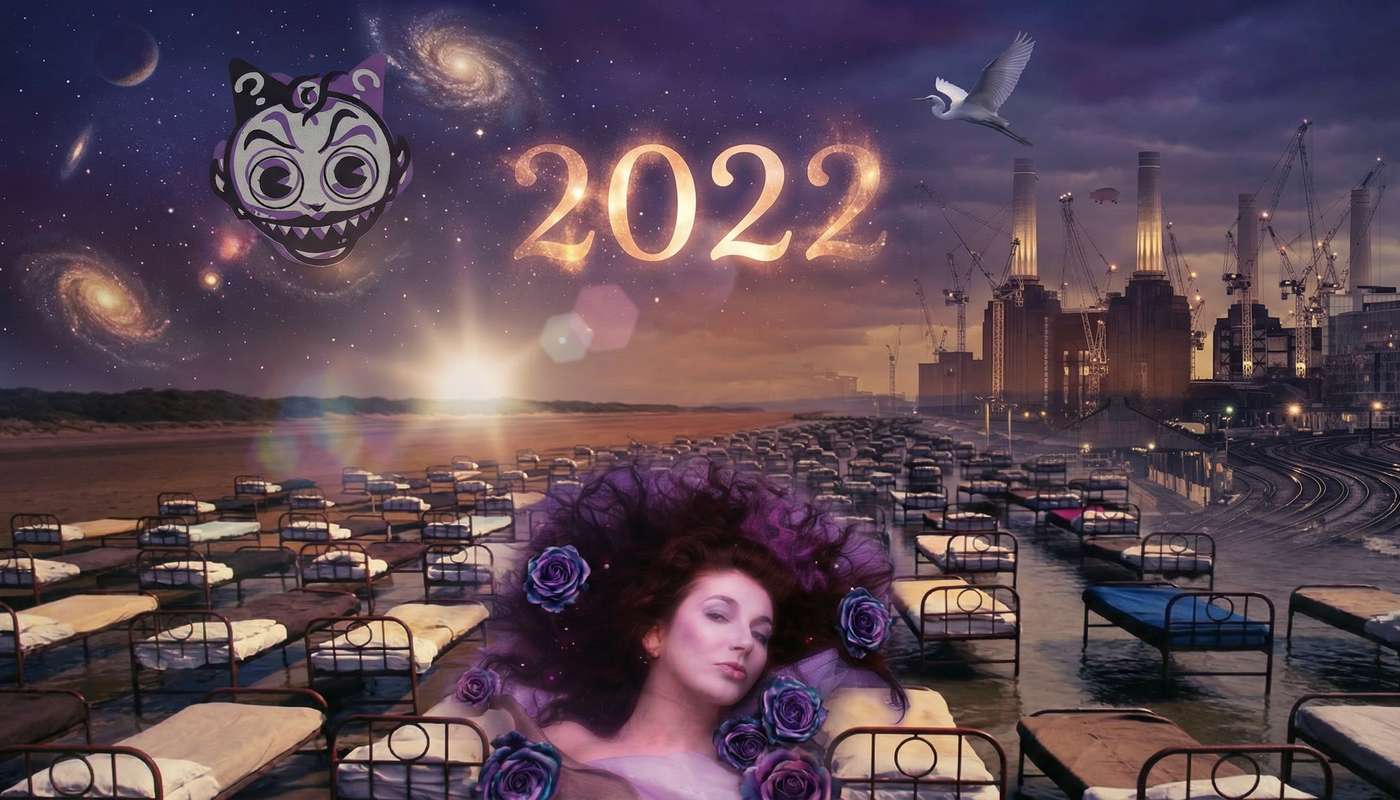
My 2022 Year in Music

My 2022 Wrapped
What a year for music! In 2022, I scrobbled 346 tracks across 41 different artists and 51 albums. That’s roughly 20 hours of music - or about 0.8 days of non-stop listening. On average, the albums I listened to are 26 years old.
Pink Floyd earned the top spot with 60 plays (17.3% of your year).
Lets dive into the numbers and see what made 2022 special.
By the Numbers
Thats 0.8 days of music, or roughly 1 tracks per day. My peak listening month was January with 194 scrobbles.
Artist of the Year
Pink Floyd
With 60 plays (17.3% of my total listening), Pink Floyd dominated my 2022. They were my top artist in January.
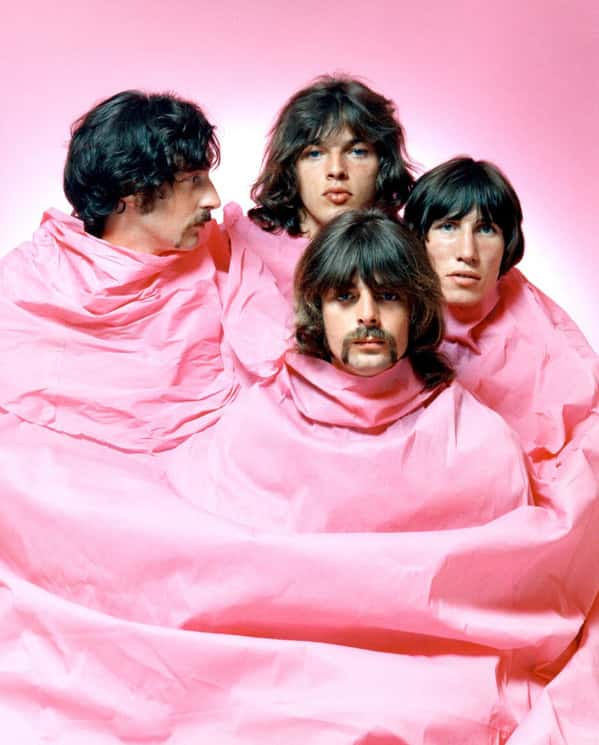
- View Pink Floyd on russ.fm
Album of the Year
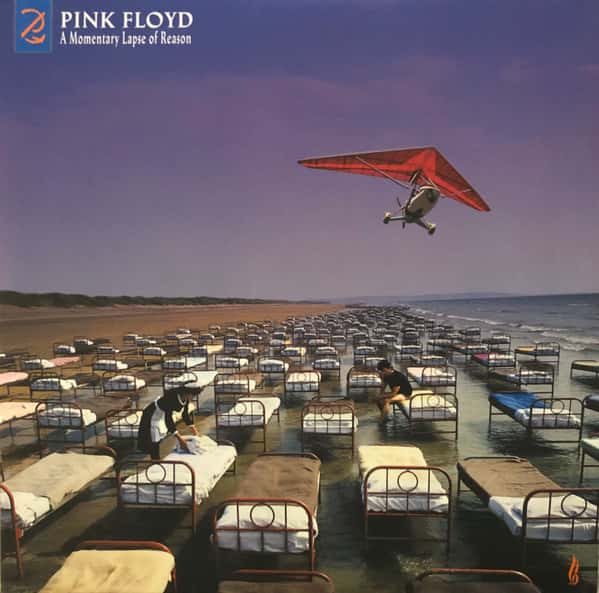
”A Momentary Lapse of Reason” by Pink Floyd
This album earned the top spot with 6 plays (1.7% of my listening). It was my most-played album in January.
Top 25 Artists
- 🥇 Pink Floyd — 60 plays
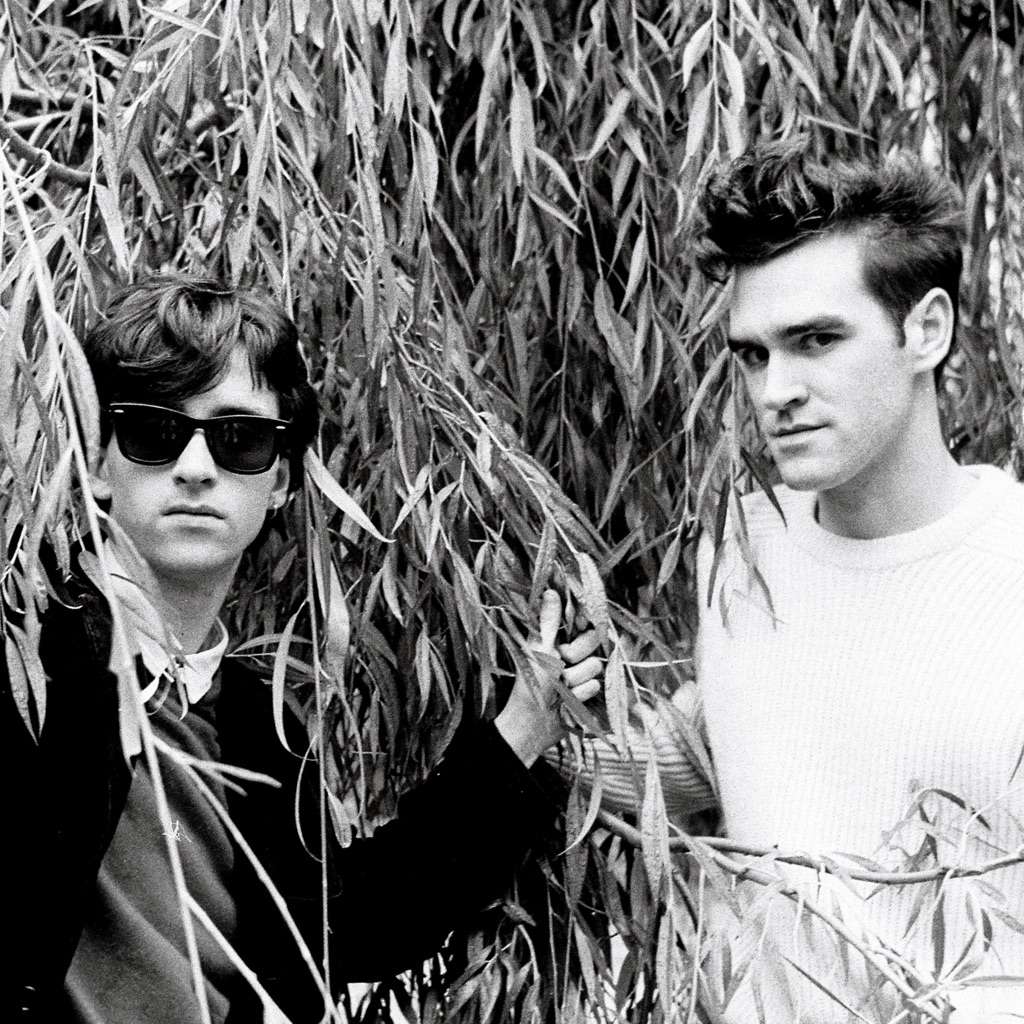
- 🥈 The Smiths — 38 plays
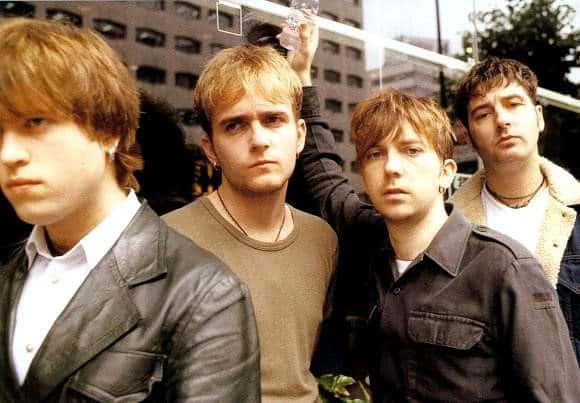
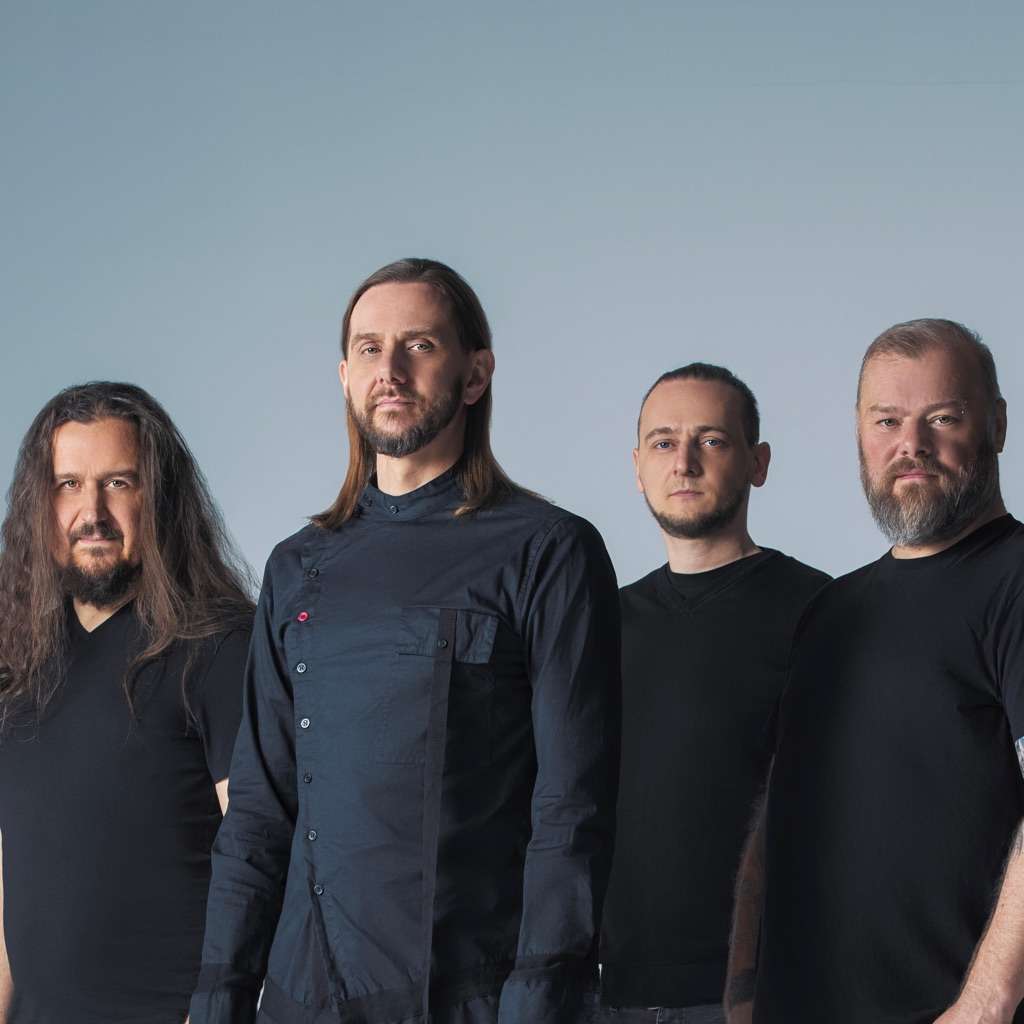
- 🥉 Mansun — 27 plays
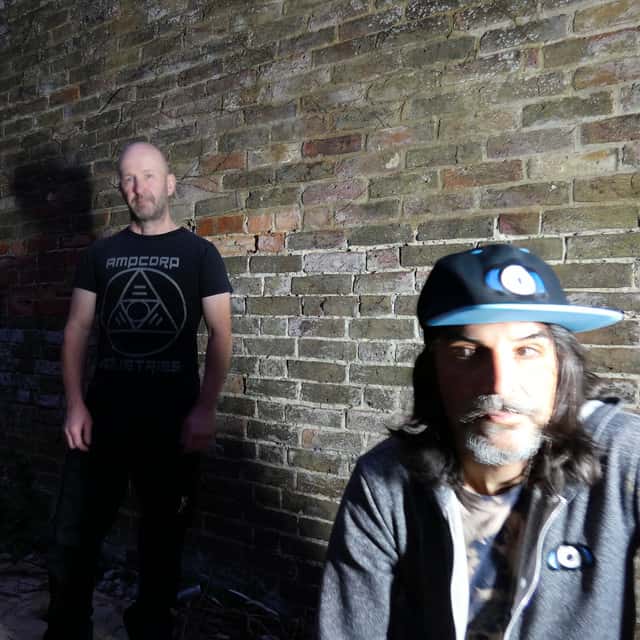
- 4. Amplifier — 24 plays
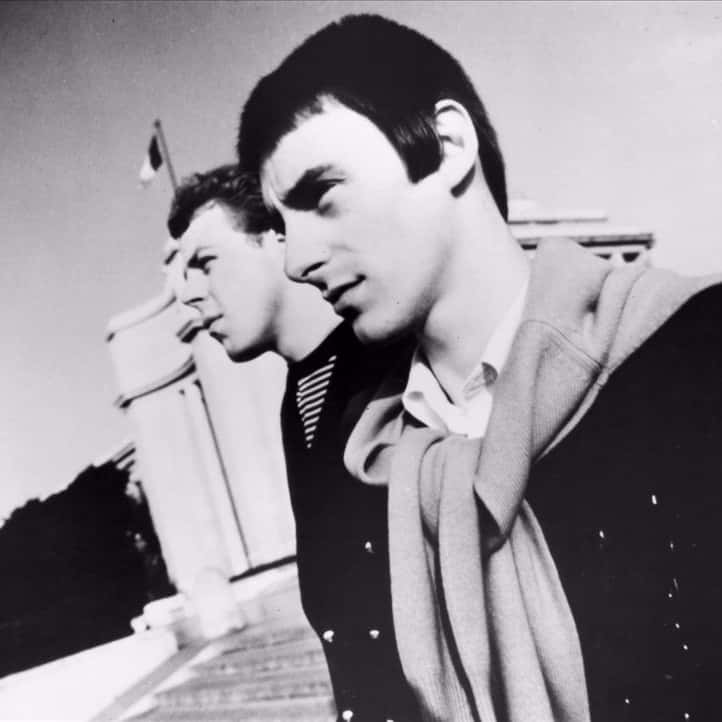
- 5. The Style Council — 22 plays
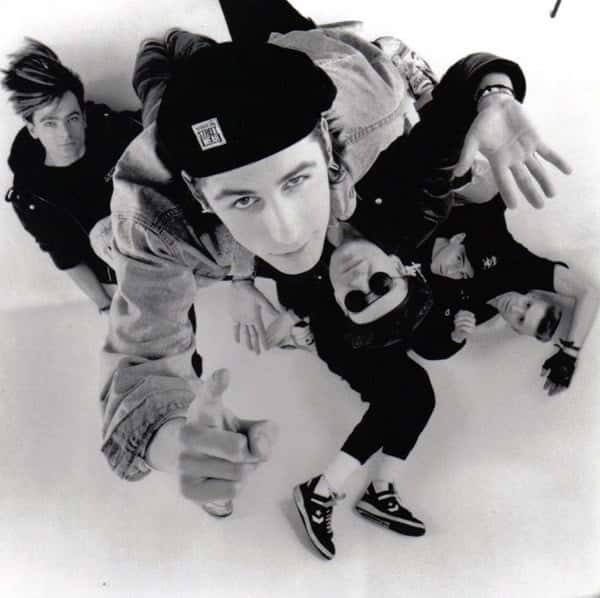
- 6. Jesus Jones — 16 plays
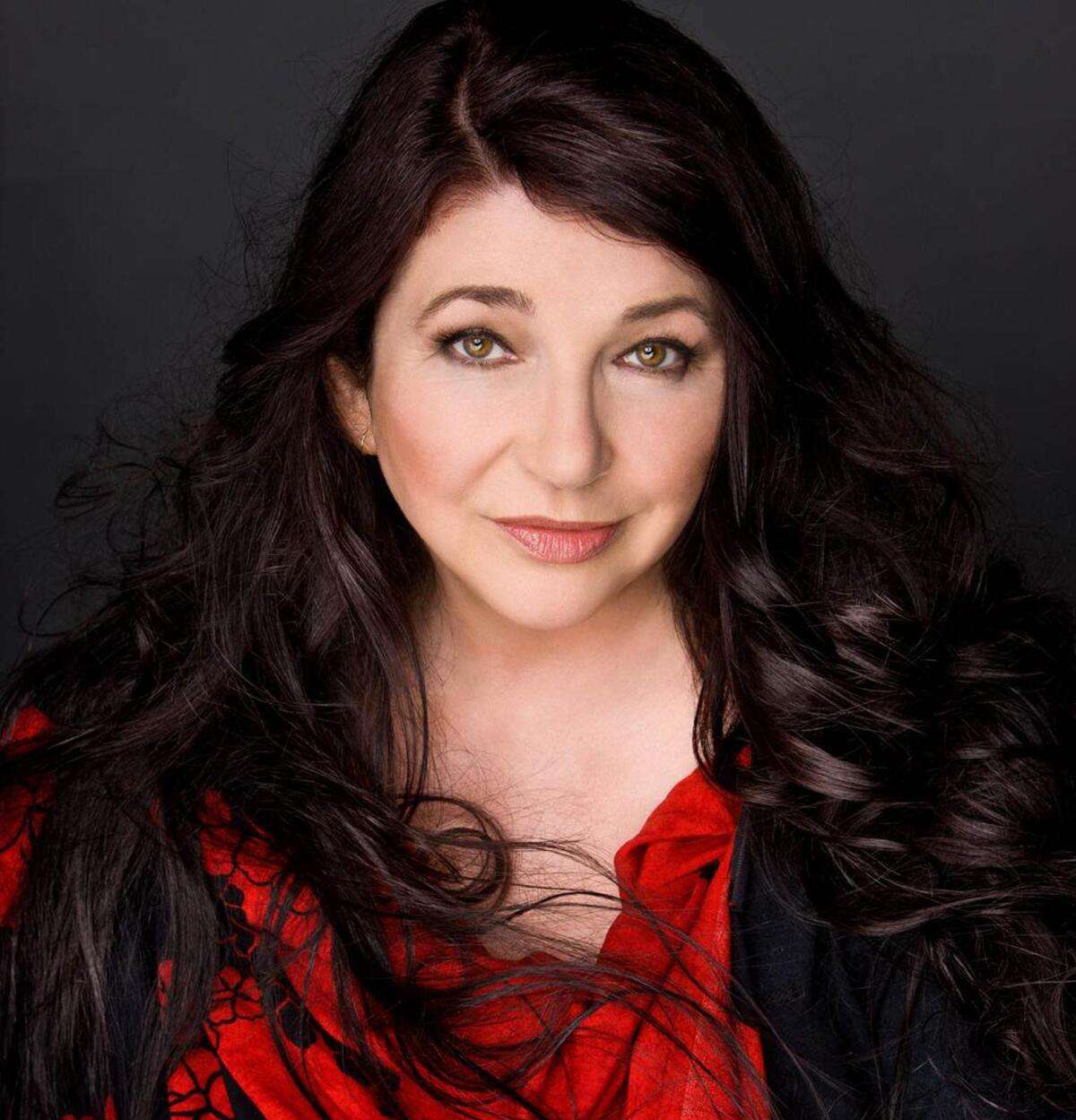
- 7. Kate Bush — 14 plays
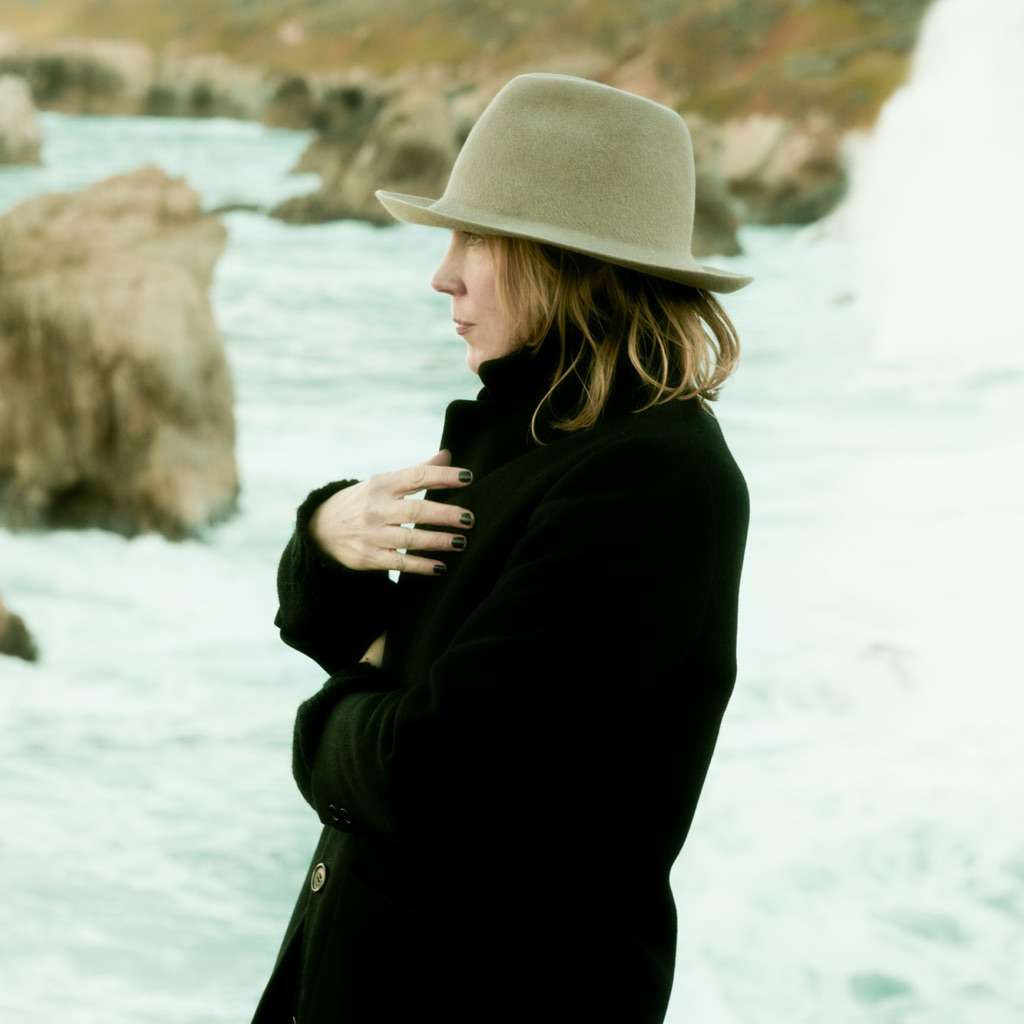
- 8. Beth Orton — 13 plays
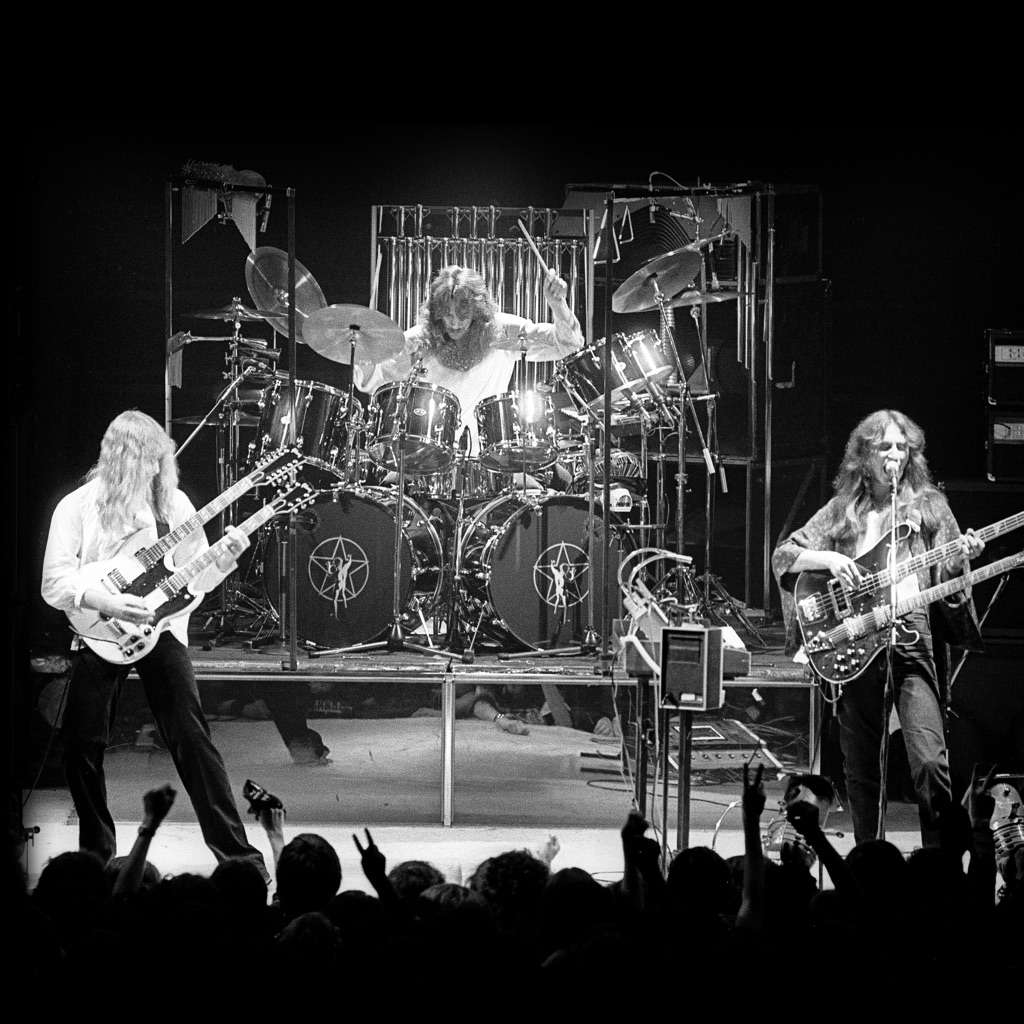
- 9. Rush — 12 plays
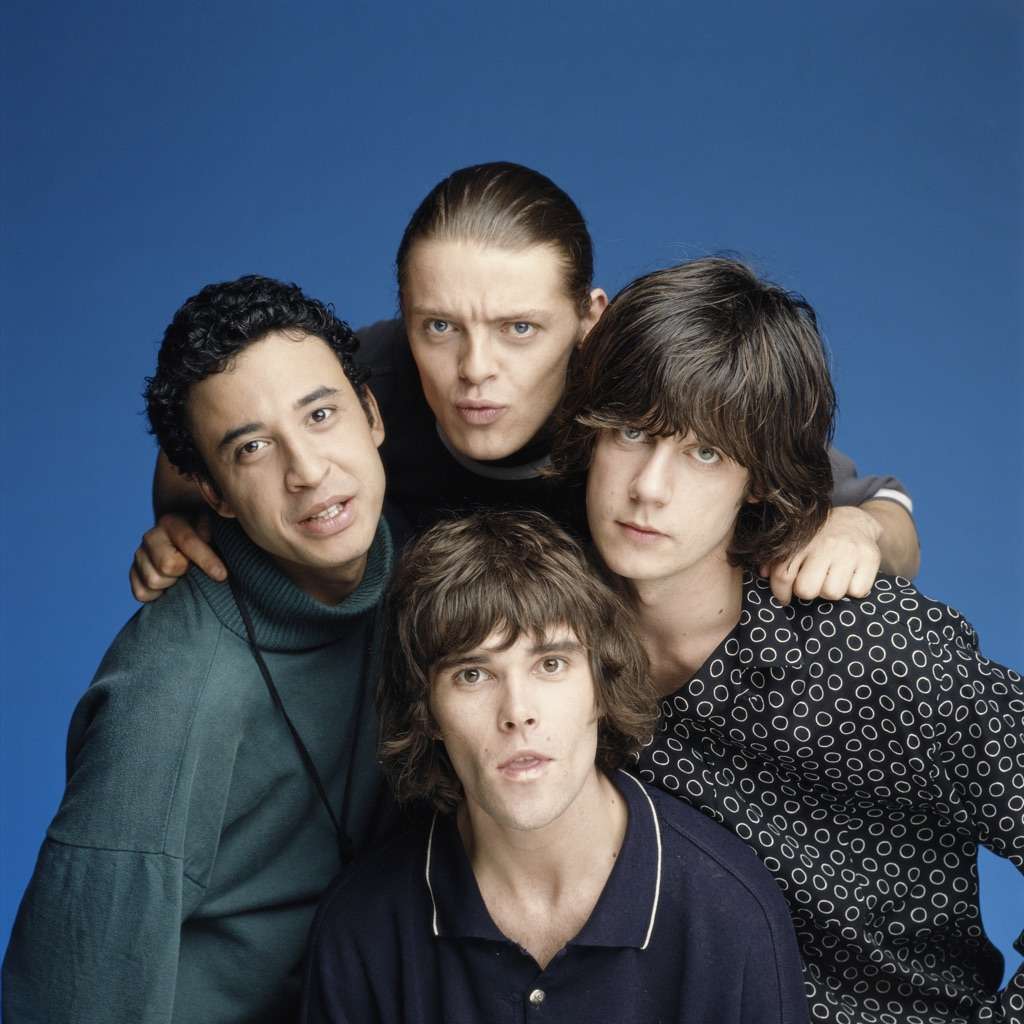
- 10. The Stone Roses — 11 plays
View artists 11-25
- 11. Riverside — 10 plays
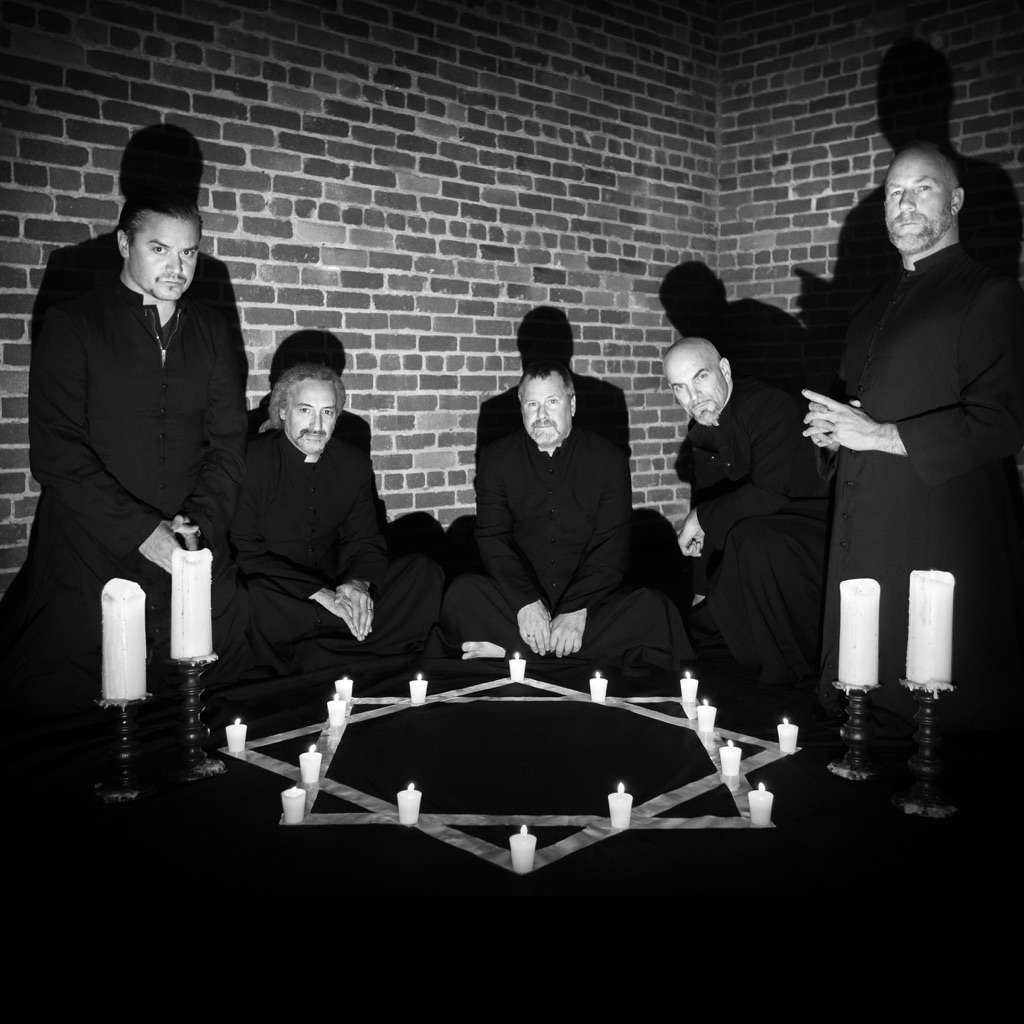
- 12. Faith No More — 10 plays
- 13. U2 — 9 plays
- 14. Talk Talk — 9 plays
- 15. Steven Wilson — 9 plays
- 16. Big Big Train — 7 plays
- 17. Lovage — 6 plays
- 18. Yes — 6 plays
- 19. Alice in Chains — 5 plays
- 20. Metallica — 5 plays
- 21. James — 5 plays
- 22. Black Sabbath — 5 plays
- 23. The Smashing Pumpkins — 4 plays
- 24. New Order — 2 plays
- 25. Blind Ego — 1 plays
Top 50 Albums
- 🥇 A Momentary Lapse of Reason by Pink Floyd — 6 plays
- 🥈 Attack of the Grey Lantern by Mansun — 4 plays
- 🥉 James: The Best Of by James — 3 plays
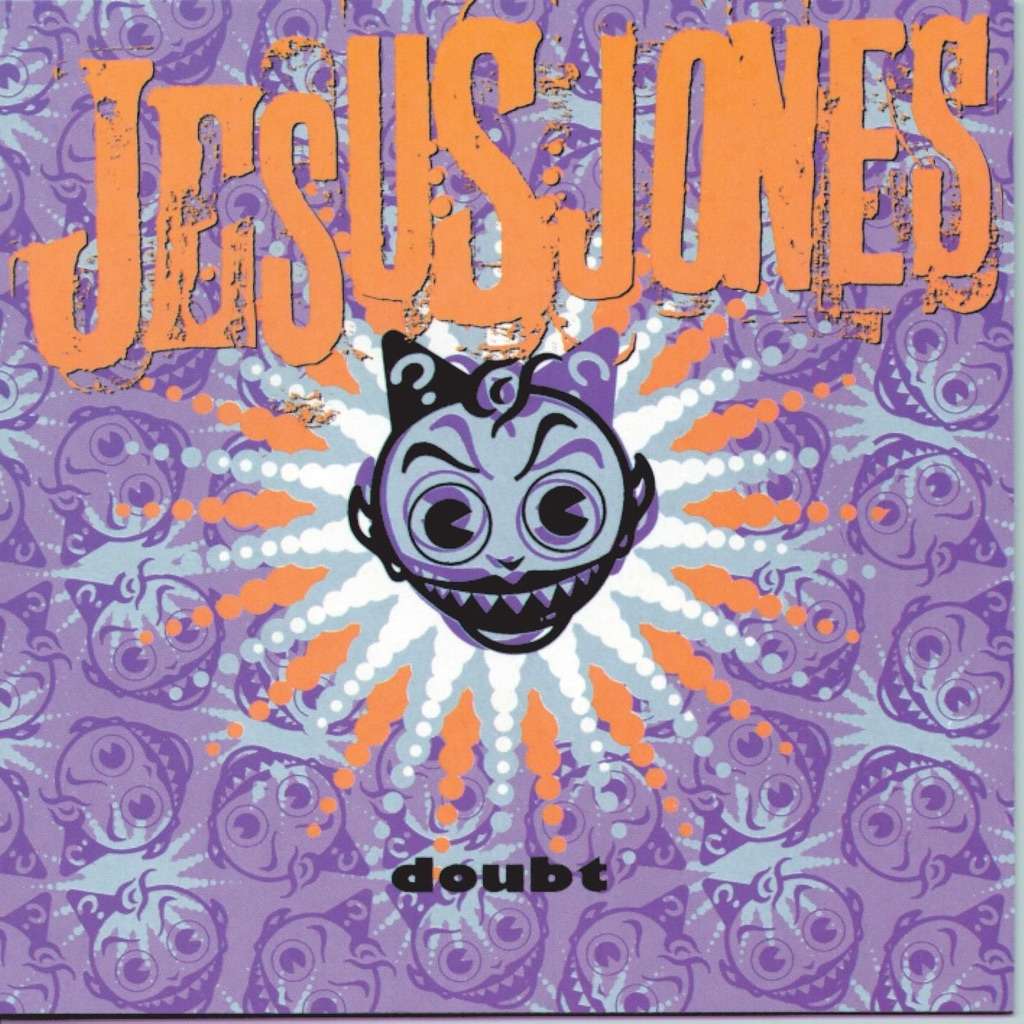
- 4. Doubt by Jesus Jones — 2 plays
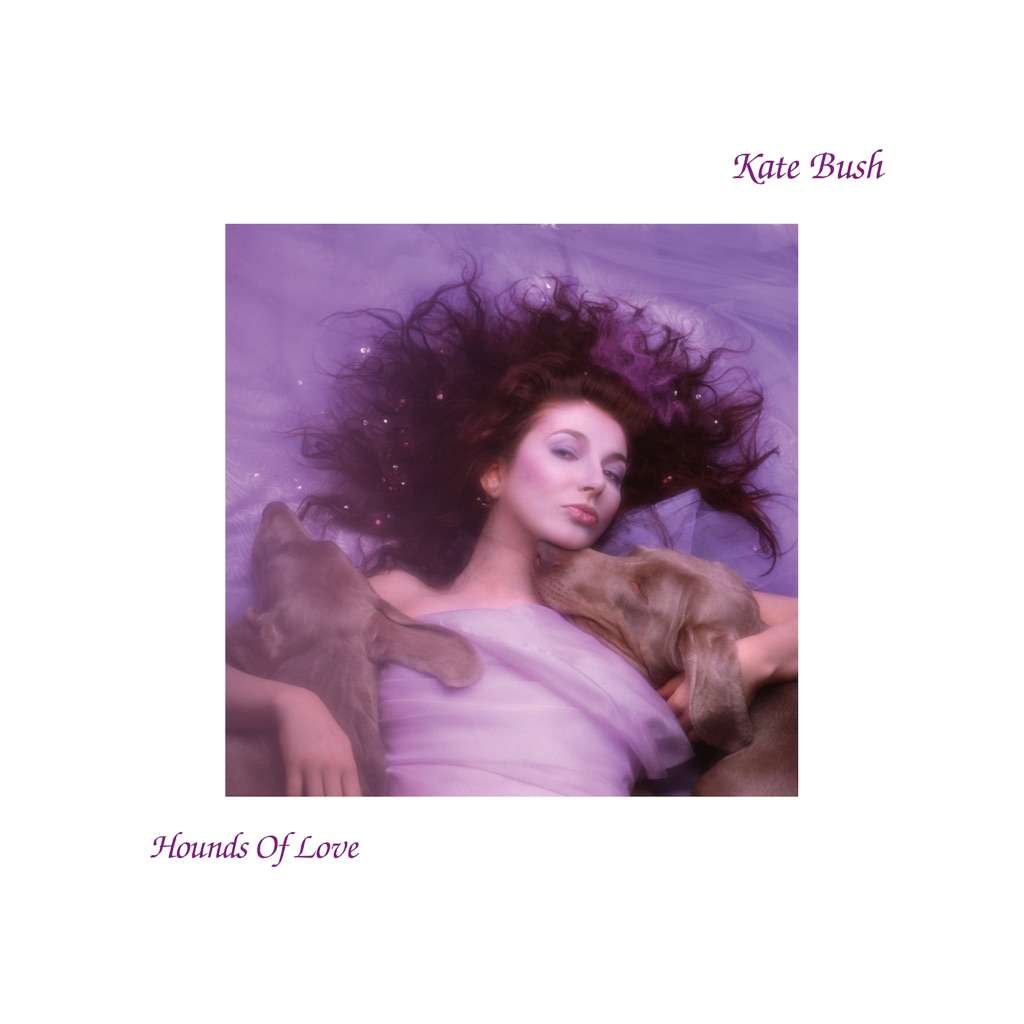
- 5. Hounds of Love by Kate Bush — 2 plays
- 6. Long Hot Summers: The Story Of The Style Council by The Style Council — 2 plays
- 7. Spirit Of Radio: Greatest Hits by Rush — 2 plays
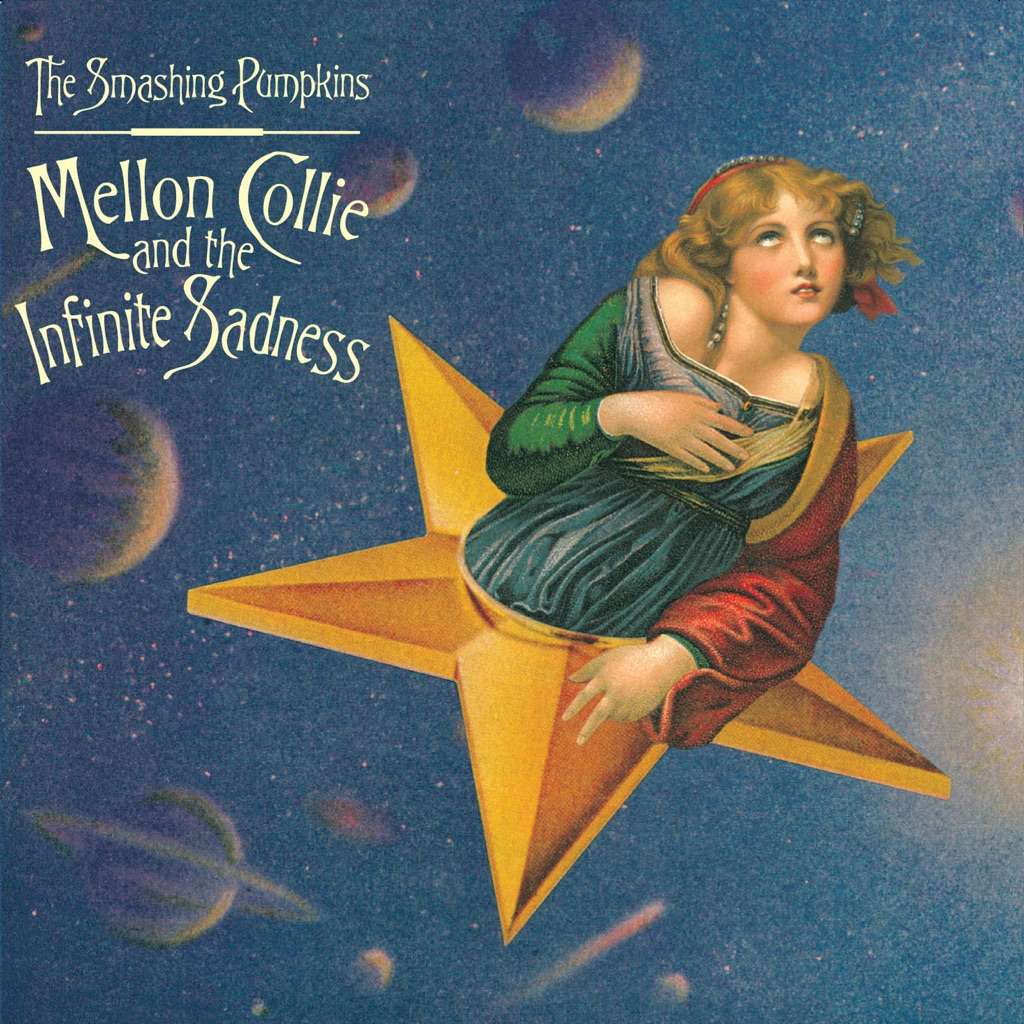
- 8. Mellon Collie and the Infinite Sadness by The Smashing Pumpkins — 1 plays
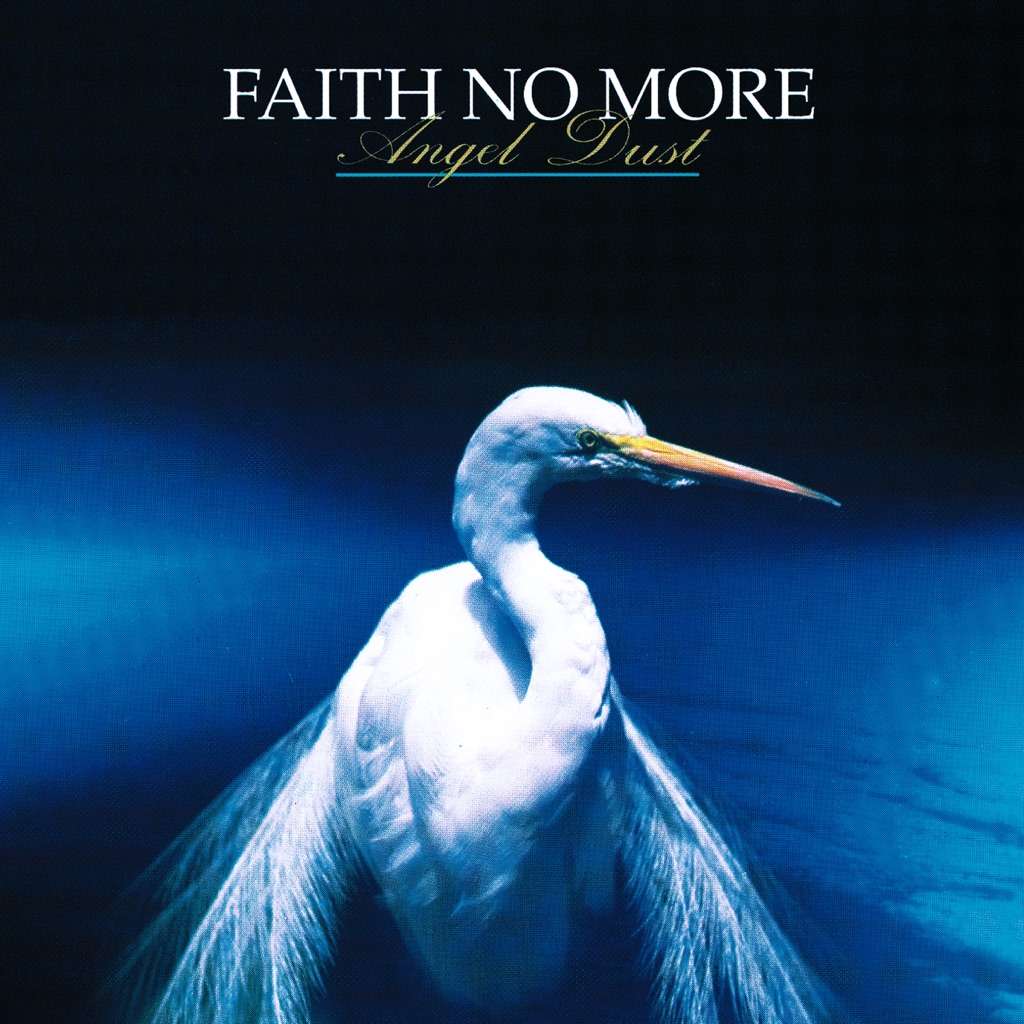
- 9. Angel Dust by Faith No More — 1 plays
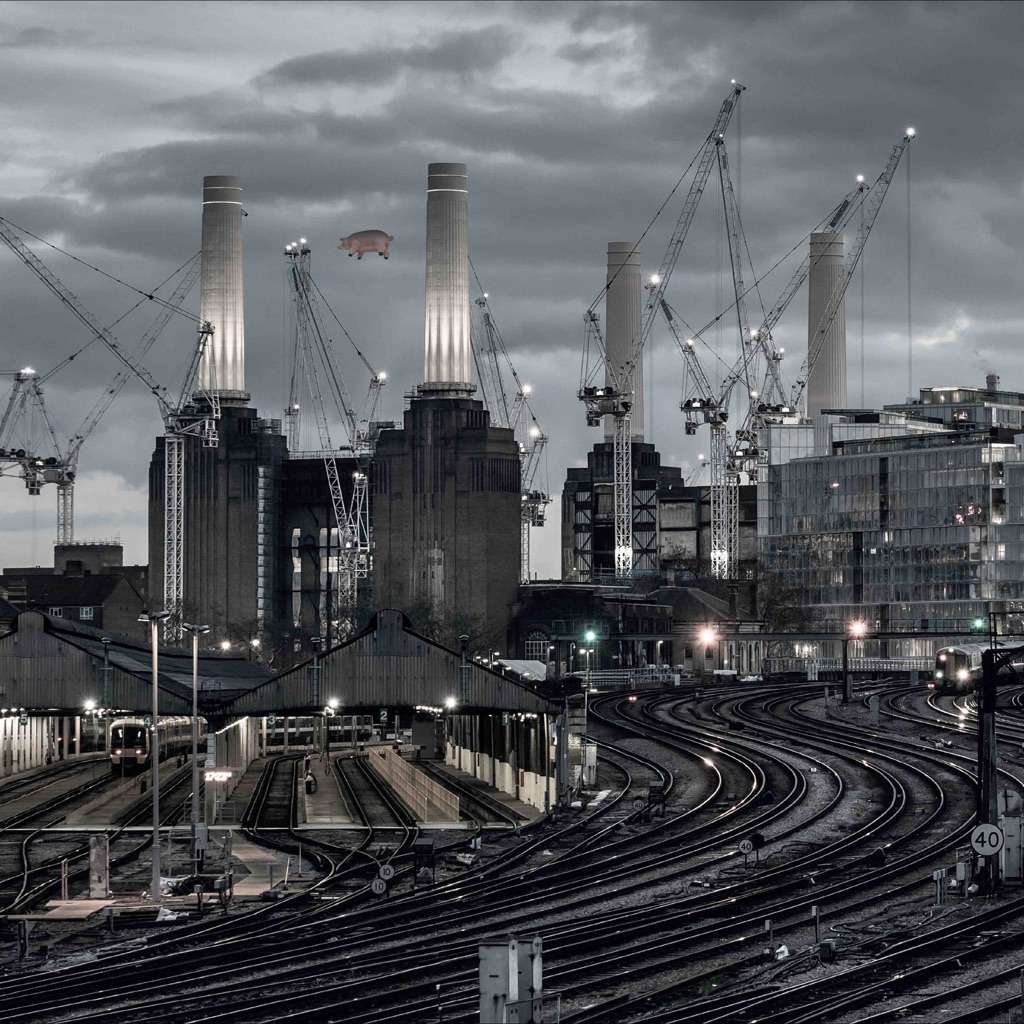
- 10. Animals by Pink Floyd — 1 plays

View albums 11-50
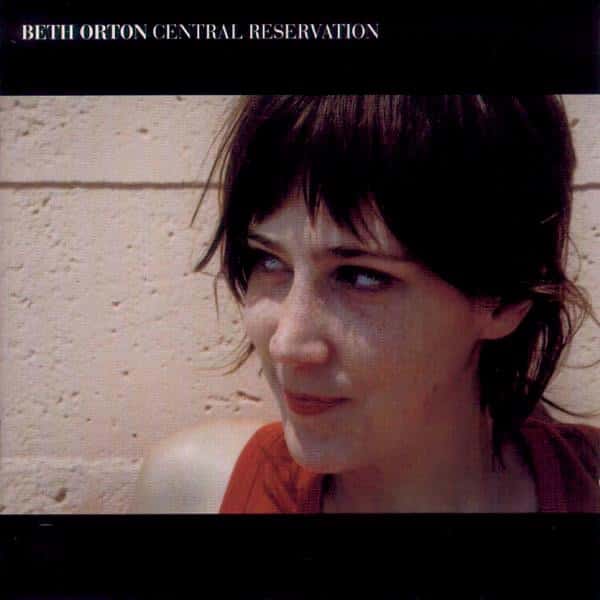
- 11. Central Reservation by Beth Orton — 1 plays
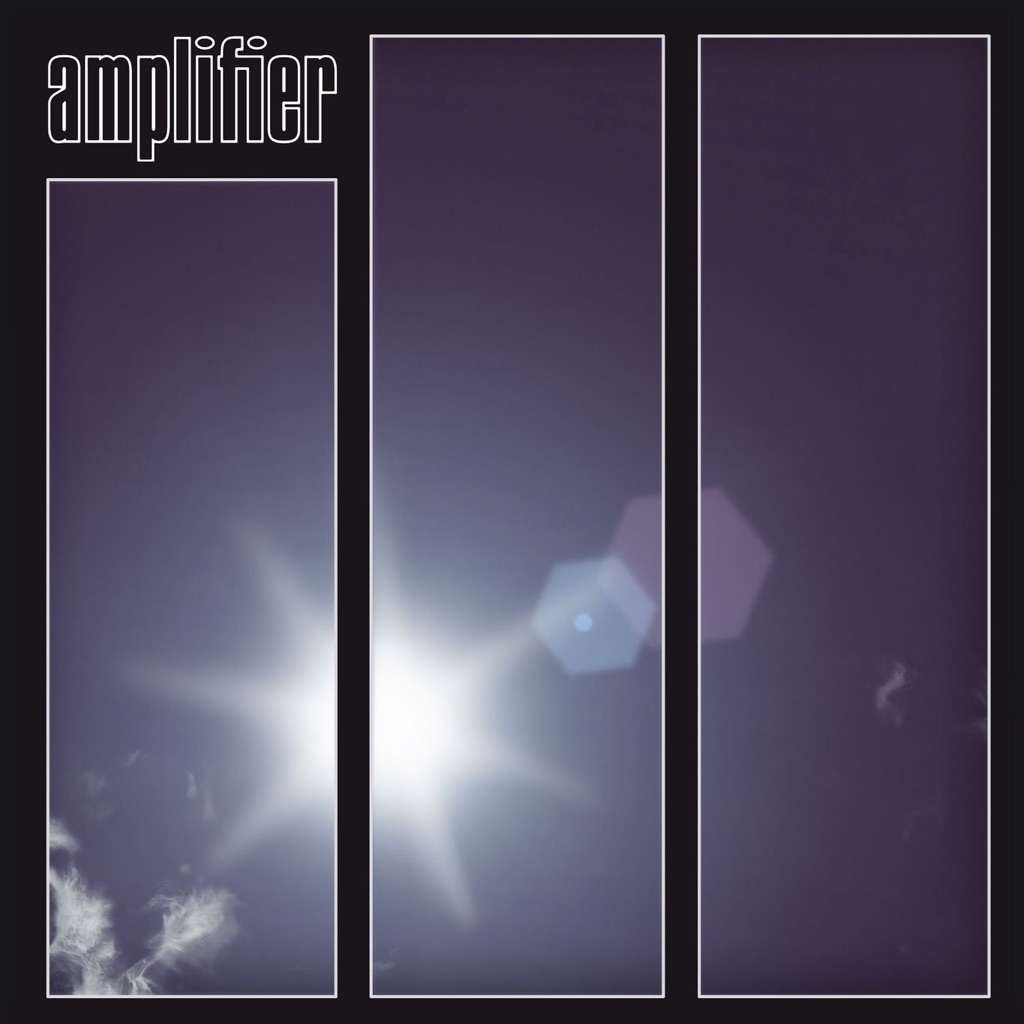
- 12. Amplifier by Amplifier — 1 plays
- 13. Greatest Hits by Black Sabbath — 1 plays
- 14. Shrine of New Generation Slaves by Riverside — 1 plays
- 15. Wasteland by Riverside — 1 plays
- 16. All This Will Be Yours by Bruce Soord — 1 plays
- 17. Insurgentes by Steven Wilson — 1 plays
- 18. Hand Cannot Erase by Steven Wilson — 1 plays
- 19. Echo Street by Amplifier — 1 plays
- 20. Highlights - The Very Best of Yes by Yes — 1 plays
- 21. Beyond Beliefs by Ben Böhmer — 1 plays
- 22. Spirit of Eden by Talk Talk — 1 plays
- 23. The Colour of Spring by Talk Talk — 1 plays
- 24. …and Justice for All by Metallica — 1 plays
- 25. Lovage: Music To Make Love To Your Old Lady By by Lovage — 1 plays
- 26. Please by Pet Shop Boys — 1 plays
- 27. The Age of Consent by Bronski Beat — 1 plays
- 28. Purple Rain by Prince — 1 plays
- 29. Sparkle in the Rain by Simple Minds — 1 plays
- 30. The Unforgettable Fire by U2 — 1 plays
- 31. Meddle by Pink Floyd — 1 plays
- 32. Moving Pictures by Rush — 1 plays
- 33. Metallica by Metallica — 1 plays
- 34. The Sun Is Often Out by Longpigs — 1 plays
- 35. Kick Up The Fire, And Let The Flames Break Loose by The Cooper Temple Clause — 1 plays
- 36. Elastica by Elastica — 1 plays
- 37. All Change by Cast — 1 plays
- 38. Six by Mansun — 1 plays
- 39. Get The Message - The Best Of Electronic by Electronic — 1 plays
- 40. Forever Delayed by Manic Street Preachers — 1 plays
- 41. Republic by New Order — 1 plays
- 42. Loveless by my bloody valentine — 1 plays
- 43. Grace by Jeff Buckley — 1 plays
- 44. Second Coming by The Stone Roses — 1 plays
- 45. The Joshua Tree by U2 — 1 plays
- 46. Greatest Hits by Alice in Chains — 1 plays
- 47. The Stone Roses by The Stone Roses — 1 plays
- 48. No Decoder by Yogi Lang — 1 plays
- 49. Liquid by Blind Ego — 1 plays
- 50. Tales From Outer Space by RPWL — 1 plays
Monthly Breakdown
Heres how my listening habits shifted throughout the year:
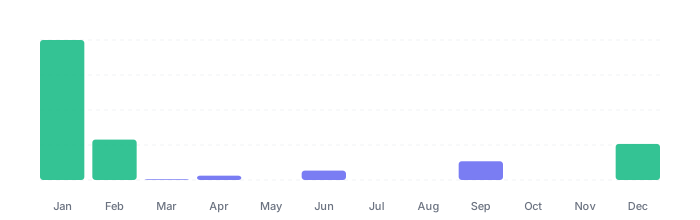
Most active month: January (194 plays)
Quietest month: November (0 plays)
Best quarter: Q1 (Jan-Mar) (251 plays)
View monthly data as table
| Month | Plays | Above Average |
|---|---|---|
| January | 194 | ✓ |
| February | 56 | ✓ |
| March | 1 | |
| April | 6 | |
| May | 0 | |
| June | 13 | |
| July | 0 | |
| August | 0 | |
| September | 26 | |
| October | 0 | |
| November | 0 | |
| December | 50 | ✓ |
Genre Breakdown
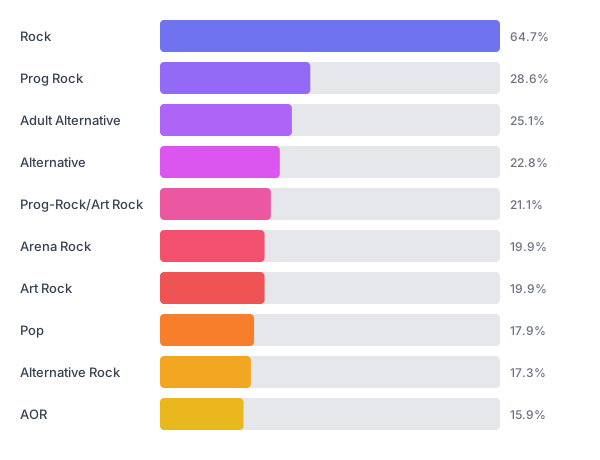
My top genres based on album metadata from my collection:
View as text list
- 1. Rock — 39 plays (11.3%)
- 2. Alternative — 17 plays (4.9%)
- 3. Adult Alternative — 16 plays (4.6%)
- 4. Pop — 14 plays (4%)
- 5. Prog Rock — 13 plays (3.8%)
- 6. Prog-Rock/Art Rock — 12 plays (3.5%)
- 7. Alternative Rock — 12 plays (3.5%)
- 8. Arena Rock — 10 plays (2.9%)
- 9. Indie Rock — 9 plays (2.6%)
- 10. Art Rock — 8 plays (2.3%)
Hidden Gems
These albums might not have topped the charts, but they earned a special place in my rotation:
- “Tales From Outer Space” by RPWL
- “Liquid” by Blind Ego
- “No Decoder” by Yogi Lang
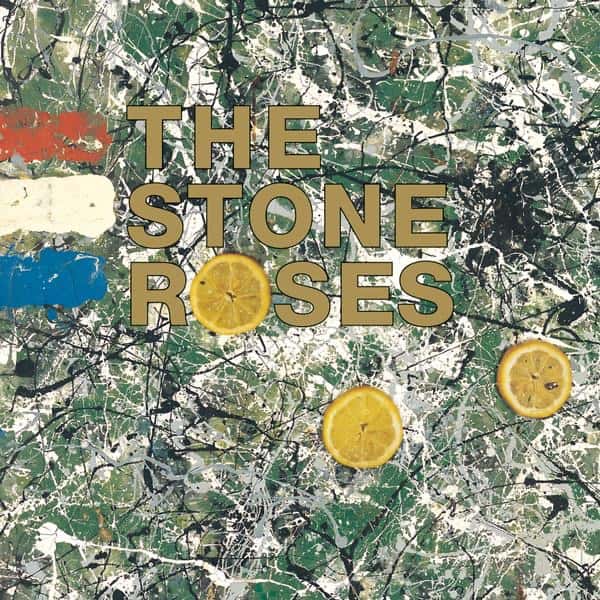
- “The Stone Roses” by The Stone Roses
- “Greatest Hits” by Alice in Chains
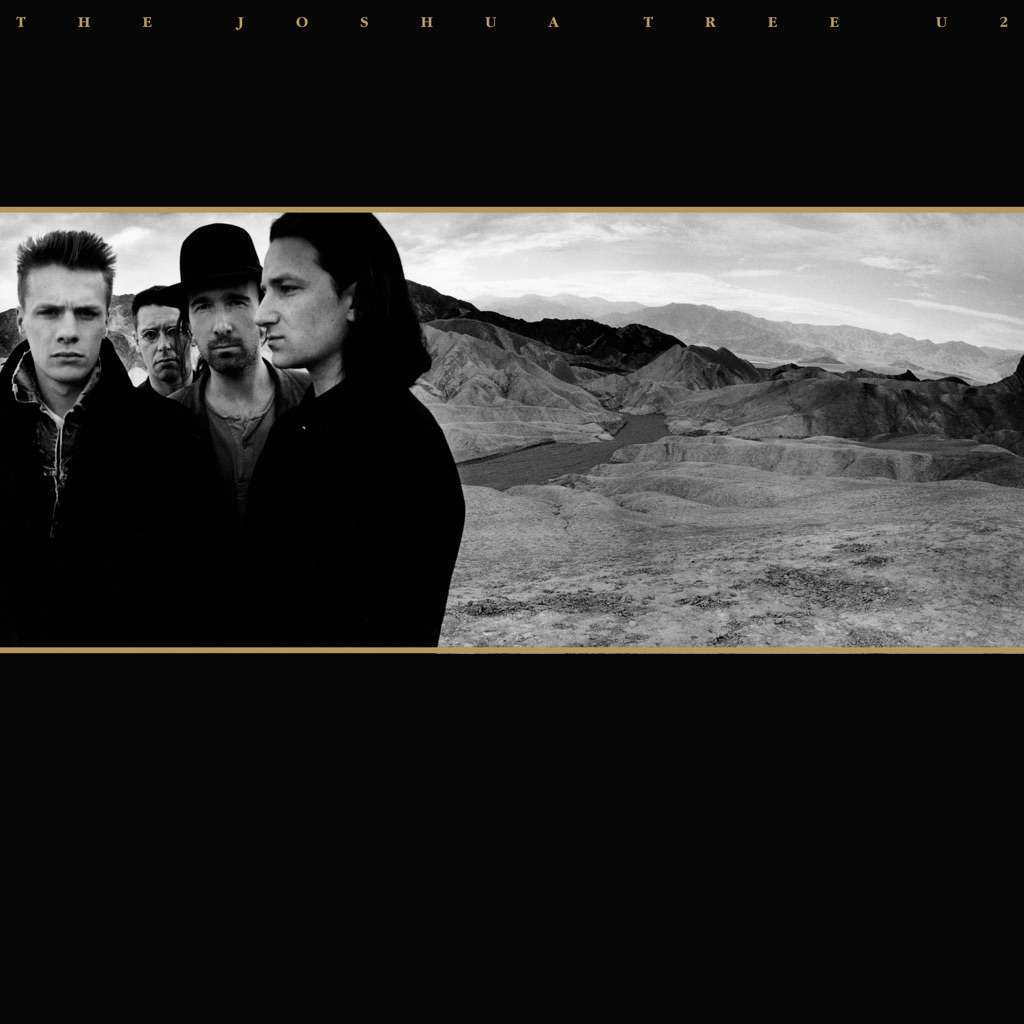
- “The Joshua Tree” by U2
New Discoveries (Released in 2022)
No albums released in 2022 made it into my top 100 this year.
Featured Albums
A Momentary Lapse of Reason by Pink Floyd 🎸
6 plays in this year
Recording history & creation story 🛥️
After Roger Waters left in 1985, David Gilmour quietly began work on material that started out as a solo project and gradually became the first post‑Waters Pink Floyd album. Sessions ran late 1986–1987 at Astoria (Gilmour’s houseboat), Britannia Row and studios in London and L.A., produced mainly by Gilmour and Bob Ezrin. The making was shaped by legal fights over the Pink Floyd name, Richard Wright’s return only as a paid session musician, and heavy use of session players — a pragmatic choice while the band rebuilt itself. A colorful studio anecdote: the monstrous opening guitar on “Sorrow” wasn’t conjured in a booth but by blasting Gilmour’s guitar through the Los Angeles Memorial Sports Arena PA and re‑recording the result to get that cavernous, arena-sized tone.
Musical style, synths & production techniques ⚙️
Sonically the album sits at a crossroads: Pink Floyd’s atmospheric art‑rock DNA filtered through late‑1980s digital production. It leans on Kurzweil and other digital synths, MIDI sequencing, drum machines alongside live drummers, gated 80s drums and lavish reverb. Gilmour’s lyrical, sustained guitar remains the emotional core, yet the record is noticeably more polished and synth‑forward than 1970s Floyd. The team recorded digitally (32‑track ProDigi systems, Macintosh control), making it one of Floyd’s most tech‑driven records to that point — which delights some listeners and alienates purists who miss the ragged warmth of earlier work.
MTV, singles & how it navigated mainstream vs underground 📺
“Learning to Fly” became the obvious bridge to a younger MTV audience — an accessible single with an evocative video that married literal aviation imagery to metaphorical escape. The album consciously embraced radio‑friendly song structures and arena dynamics (helpful for the huge tours that followed), while still offering longer, atmospheric pieces like “Sorrow” and the instrumental “Terminal Frost.” That balance let Pink Floyd stay relevant on MTV and AOR playlists without fully abandoning their art‑rock identity — though the tradeoff sparked long debates among fans about authenticity.
Reception, compositional ambition & legacy 🕰️
Critically and commercially the record relaunched Pink Floyd: it reached the top charts worldwide and funded grand stadium shows. Reviews were mixed — praised for Gilmour’s melodies and production sheen, criticized for overreliance on session musicians and 80s gloss. Compositional ambition here is subtler than in past concept epics: tighter song forms but rich textural and timbral complexity, recurring themes of absence, memory and escape, and moments of genuine prog atmosphere. The 2019 remix — which added new Mason drum parts and elevated Wright’s contributions — was presented as an attempt to “restore balance,” underscoring how this album remains a pivotal, contested chapter in Pink Floyd’s story.
Attack of the Grey Lantern by Mansun 🎭
4 plays in this year
Recording & creation — a “con” concept and studio marathon 🎙️
Mansun cut Attack of the Grey Lantern across 1996–97, tracking in places like Rockfield Studios (Wales) and Olympic Studios (London). Paul Draper led the vision — he wanted a full-blown rock opera but later cheekily called it “half a concept album — a con album.” The sessions stretched as the band tried to marry pop hooks with sprawling ideas; Draper co-produced alongside Ian Caple and Mark “Spike” Stent. Andie Rathbone joined during the sessions, completing the lineup that would give the record its punchy backbone. Little stories stick: the theatrical ambition, the character vignettes (a transvestite clergyman in “Stripper Vicar,” the nihilism of “Taxloss”) and the cheeky publicity stunts (the “Taxloss” single video famously involved throwing money at commuters).
Musical style & how the band sounds — guitars, bass and drums 🔊
This album refuses neat labels. It sits at the crossroads of Britpop melodies, prog ambition, psychedelia and indie’s oddball instincts. Guitar-wise there’s a distinct twin-guitar conversation: Paul Draper’s chordal heft and Dominic Chad’s melodramatic, often cinematic leads create dense textures—think jagged riffs one minute, chiming hooks the next. Stove King’s bass is melodic and propulsive, grounding songs while often carrying hooks of its own. Andie Rathbone’s drumming moves between tight, danceable grooves (“Wide Open Space”) and more adventurous, syncopated patterns (“Dark Mavis”). The result is a widescreen sound — accessible singles that sit inside a larger, slightly weird song-cycle.
Reception & legacy — charts, cult status, and influence 📈
Released 17 February 1997, the album hit No. 1 on the UK Albums Chart and stayed on the chart for weeks; singles like “Wide Open Space” (boosted by a Paul Oakenfold remix) became minor UK and alternative radio staples. Critics praised the ambition and British character of the record, even if some bemoaned its unevenness. Over time it’s gained cult classic status — often cited as one of the most ambitious debuts of the Britpop era and a template for British bands that wanted both hooks and scope. Its blend of prog maneuvers and pop sensibility can be heard in later UK acts who dared to blur genres.
Context in the 90s — Britpop, alternative rock and DIY spirit 🕰️
Mansun arrived amid Britpop’s chart dominance but never fully bought into the laddish aesthetic; instead they channeled an indie, DIY audacity and prog-style conceptualism. They weren’t following American grunge’s raw angst — they shared grunge’s desire to push rock beyond formulas but did it in a distinctly English, theatrical way. In an era of genre-mixing, Attack of the Grey Lantern stands as a bold answer to the decade’s diversity: pop-friendly singles with an appetite for experimentation and storytelling.
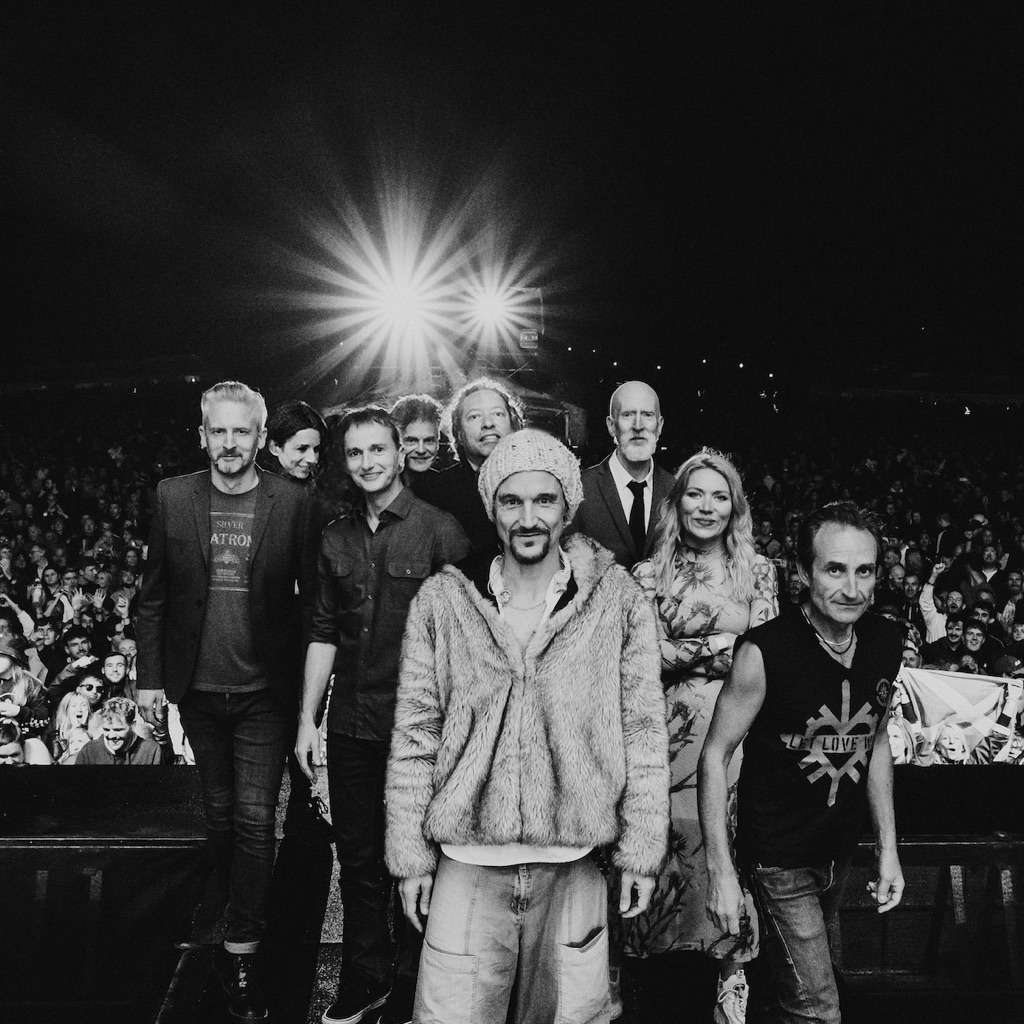
James: The Best Of by James 🎶
3 plays in this year
Recording history & creation process 🛠️
Released on 23 March 1998, The Best Of collected James’s singles across the 1980s–90s peak years and added two newly recorded songs — Destiny Calling and Runaground — cut specifically for the compilation. The package came in multiple formats, including a limited edition with a bonus live disc (Unhinged) and an early-purchase acoustic set recorded at London’s Whitfield Street Studios. The compilation was as much a commercial move — helping the band settle debts with Mercury and finance future projects — as a career summation. Notably, tracks from Stutter and Strip Mine were absent because of the band’s fraught split from Sire Records, so the selection tells a story shaped by both art and industry.
Musical style & what makes it distinctive 🎸✨
James’s strengths are on full display across the hits: Tim Booth’s vulnerable, theatrical vocals; cyclical, jangly guitar lines; warm rhythmic grooves; and moments of widescreen emotional build. Their sound blends indie-rock, Britpop melody, folkish sensitivity and danceable grooves — think introspective lyricism riding buoyant, singalong arrangements. The band’s willingness to fold brass, strings and electronic textures into songs (and to work with adventurous producers like Brian Eno on Laid-era material) gave many singles an expansive, emotional lift rather than a straightforward guitar-rock bite.
Critical and commercial reception, and legacy 📈🏆
The compilation consolidated James’s mainstream standing. Singles anthology-wise it reintroduced their catalogue to a late-90s audience; the Apollo 440 remix of “Sit Down” climbed back into the Top Ten (peaking at #7), while new single “Runaground” had more modest impact. Critics tended to view The Best Of as a solid portrait of a band that thrived on emotional resonance rather than macho posturing. Long-term, the album helped cement tracks like “Sit Down,” “Laid” and “Sound” as perennial indie singalongs — an endurance that’s kept James influential for bands that blend introspection with crowd-ready hooks.
90s scene, DIY spirit & how it redefined rock 🧭
James came out of Manchester’s DIY live circuit — EPs, relentless touring and an independent ethos — and carried that sensibility into bigger stadiums without losing a communal feel. They offered an alternate path to the grunge moment: less on sludgy, cathartic nihilism and more on melodic uplift, conversational lyricism and danceable tempos. In that way the band challenged rock conventions by prioritizing emotional catharsis, textural variety and communal singalongs over guitar-dominated heaviness — a distinctly British answer to the decade’s wide stylistic palette.
- View James on russ.fm
Doubt by Jesus Jones 🎧
2 plays in this year
Recording & creation story 🛠️
Doubt was made fast and with purpose. After the underground buzz from Liquidizer, Mike Edwards and the band rushed back into the studio—reports say much of the record was tracked in about a week. Edwards is the primary writer and creative engine, steering a process that mixed live‑band takes with samplers, loops and studio roughness. That speed and auteur approach gave the album an energetic, slightly raw sheen: not over‑polished pop, but a crafted collision of ideas captured while they were still hot.
Sound & what makes it distinctive 🔊
Think guitars and rave culture in the same room. Doubt fuses alternative rock songcraft with sequenced synths, sampled breaks and club rhythms—a sound often tagged as alternative dance, electronic rock or techno‑rock. Tracks jump from punkish thrash to lush synth clouds in seconds: opener “Trust Me” is manic and in‑your‑face, while closer “Blissed” melts into a mellow synth haze (complete with bird sounds). The band’s knack for tight pop hooks—“Real Real Real” and “International Bright Young Thing”—keeps the experiments grounded, and “Right Here, Right Now” turns Cold War‑era optimism into an arena‑size singalong.
Reception, charts & the era it entered 📈
Critically Doubt was viewed as an uneven but thrilling step forward—some critics sniffed at its overt pop bids, others applauded its bold hybridizing. Commercially it was huge: the album hit major charts in both the UK and US, propelled by heavy MTV and radio play. “Right Here, Right Now” became a defining alt‑pop single of 1991, and the band found themselves opening stadium shows and soaking up mainstream exposure they hadn’t had with their rawer debut.
Legacy, DIY spirit & why it matters 🧭
Doubt is a snapshot of the other alternative revolution: while grunge foregrounded sludgy guitars and introspection, Jesus Jones represented the rave‑friendly, sample‑happy wing of early‑’90s alt. Its DIY impulse—Edwards’ hands‑on production, rapid recording, and genre‑hopping risks—kept the record rooted in indie ethos even as it scored mainstream hits. Long term, Doubt helped normalize rock bands embracing samplers and club beats and fed into later rock/electronic crossovers (big‑beat, dance‑rock and alt‑pop hybrids). More than nostalgia, it remains a vivid document of a moment when the dancefloor and the guitar amp collided—and both sounded better for it.
Hounds of Love by Kate Bush 🎧
2 plays in this year
Recording & creation: a barn, a Fairlight, and total control 🛠️
After the bruising, experimental marathon of The Dreaming (1982), Kate Bush withdrew and built a sanctuary: a 24‑track studio in a Kent barn on her parents’ farm. Beginning as demos in 1983 and finished in mid‑1985, the album was an 18‑month labour of love. Bush produced it herself, insisting on creative autonomy after EMI doubted another self‑produced record. Sessions spilled into Windmill Lane (Dublin) and incorporated traditional instruments and field sounds; she layered vocals obsessively, treating the studio as an instrument rather than a factory. The record’s two‑part architecture—side one pop songs, side two the seven‑part suite “The Ninth Wave”—was conceived with vinyl’s sides in mind, giving it a concept‑album feel that still hits like pop.
Sound, synths and production aesthetics 🎛️
Hounds of Love sits where synth‑pop precision meets widescreen art‑pop. The Fairlight CMI is central—sampling, pad design and orchestral textures come from that machine—while the LinnDrum supplies the punchy 80s beats. But it’s not cold: acoustic piano, strings, traditional Irish touches and found‑sound samples warm the electronics. Bush’s hallmark stacked, contrapuntal vocals turn choruses into choirs and create an uncanny, human synth. Production choices—dramatic fades, cinematic reverb, hypnotic repetition—shape emotional climaxes (listen to the build on “Running Up That Hill” or the shifting dreamscapes of “The Ninth Wave”).
Reception & legacy: immediate success and decades of influence 🌟
Released 16 September 1985, the album topped the UK chart and produced enduring singles: “Running Up That Hill,” “Cloudbusting” (with Donald Sutherland in its iconic video), “Hounds of Love” and “The Big Sky.” Critics hailed it as Bush’s masterpiece; commercially it was her biggest success to date. Its influence is vast: you can hear its emotional art‑pop DNA in Björk, Tori Amos, St. Vincent and countless indie and electronic artists. The 2022 resurgence of “Running Up That Hill” via Stranger Things reintroduced the album to a new generation, proving its timelessness.
Visuals, MTV and pop vs. underground 🎥
Though reclusive, Bush embraced the visual era with cinematic videos (Julian Doyle directed “Cloudbusting” and “Running Up That Hill”), which helped bridge art‑pop to MTV audiences. The album is a masterclass in navigating mainstream and underground—accessible singles coexist with a prog‑like suite, and avant‑studio techniques sit under radio‑friendly hooks. Hounds of Love remains a rare feat: wildly inventive production that never sacrifices heart or melody.