My 2021 Year in Music

My 2021 Wrapped
What a year for music! In 2021, I scrobbled 4,129 tracks across 393 different artists and 710 albums. That’s roughly 241 hours of music - or about 10 days of non-stop listening. On average, the albums I listened to are 28 years old.
Crowded House made their mark across January, March, November, making up 6% of your year.
Lets dive into the numbers and see what made 2021 special.
By the Numbers
Thats 10 days of music, or roughly 11 tracks per day. My peak listening month was January with 971 scrobbles.
Artist of the Year
Crowded House
With 246 plays (6% of my total listening), Crowded House dominated my 2021. They were my top artist in January, March, November.
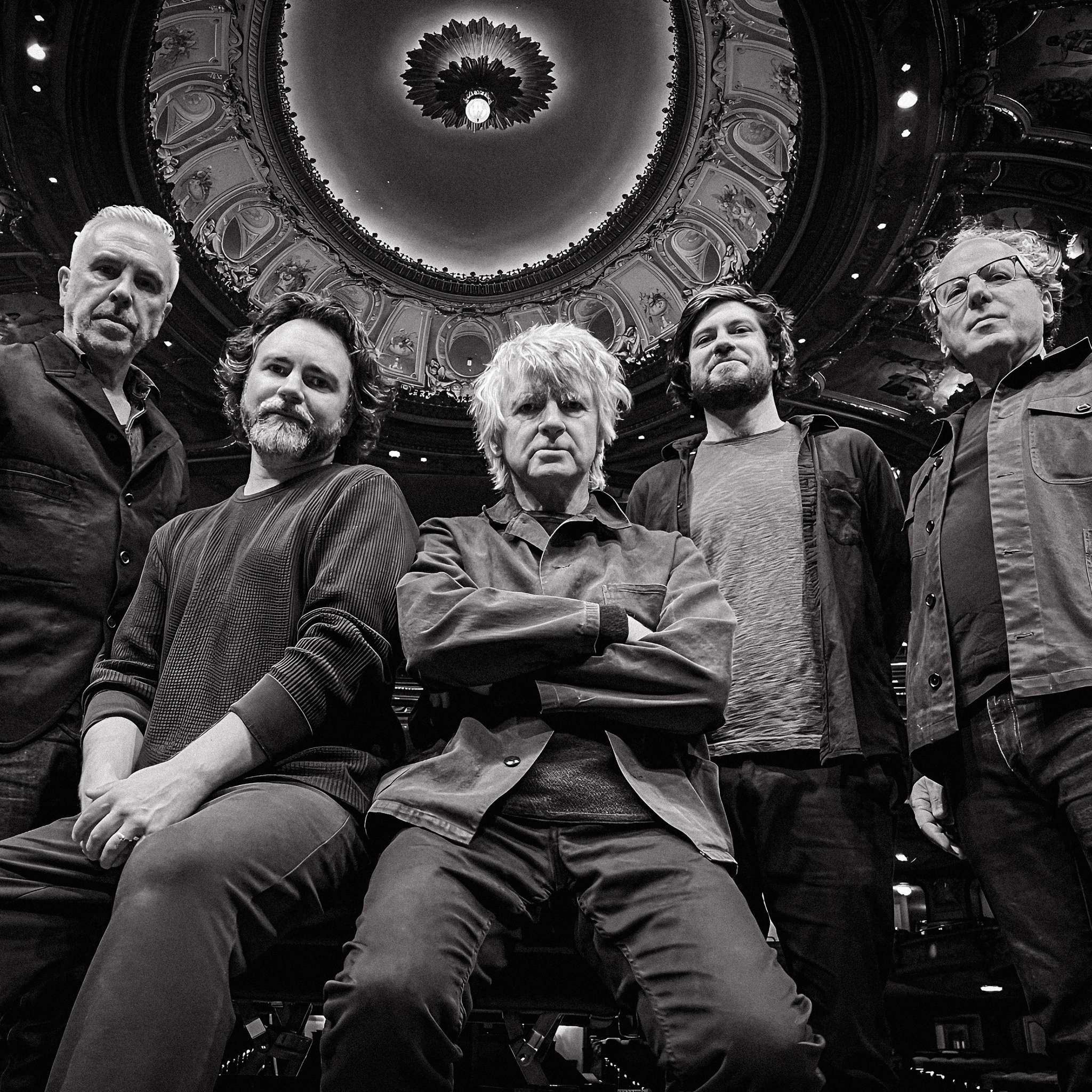
- View Crowded House on russ.fm
Album of the Year
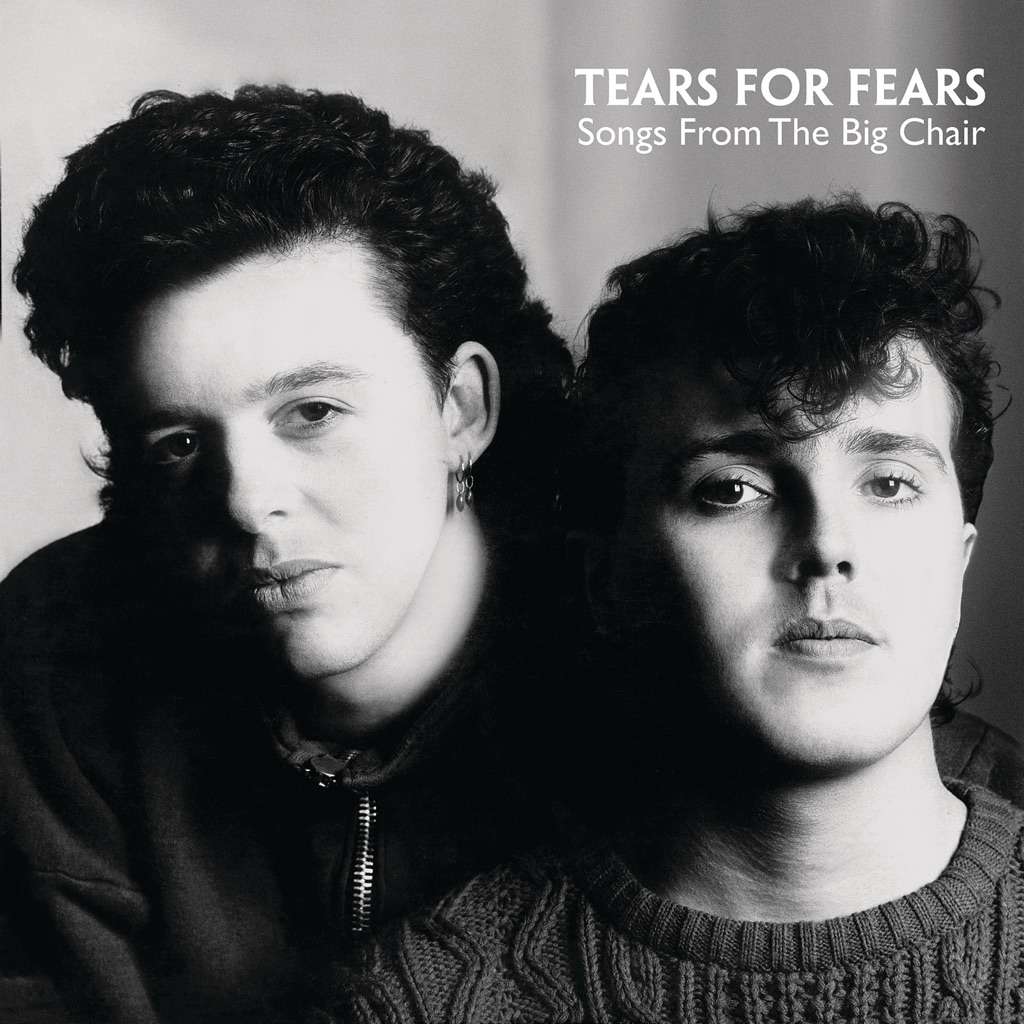
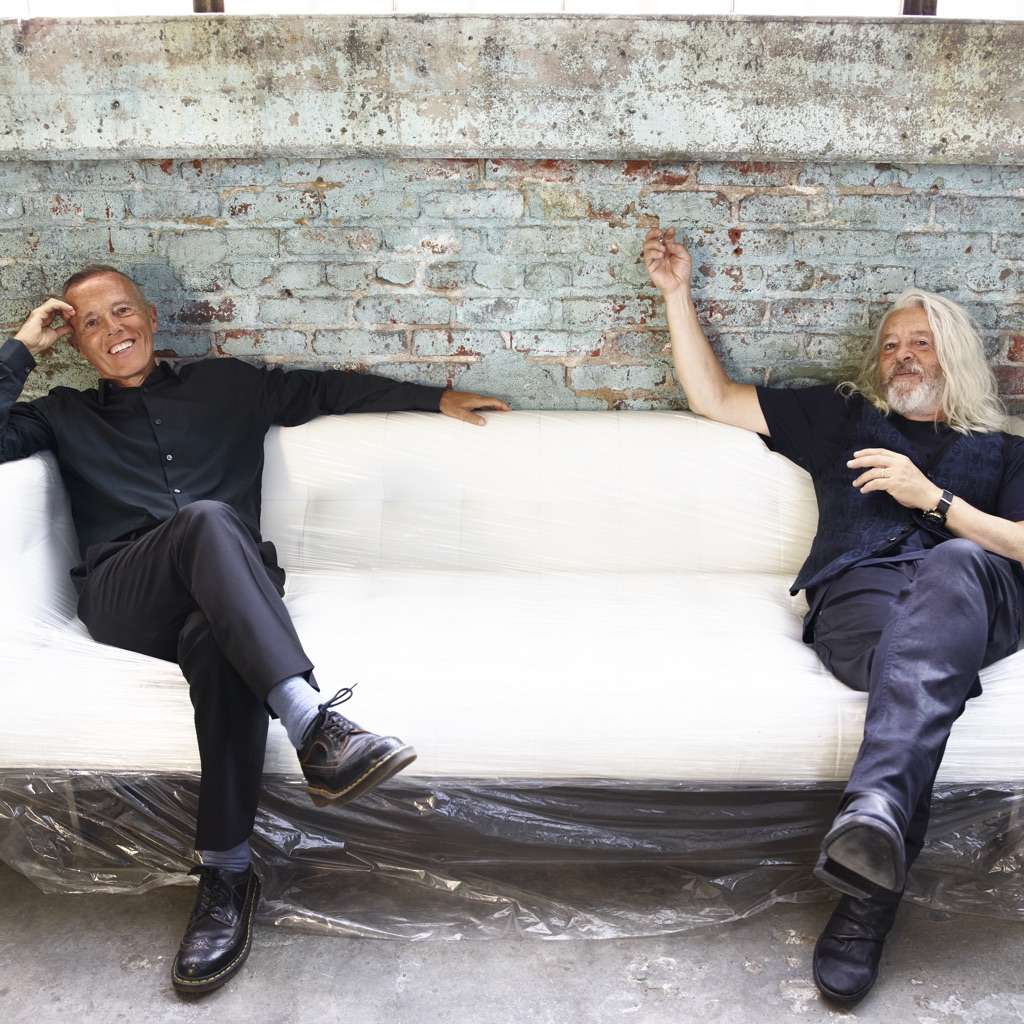
”Songs from the Big Chair” by Tears for Fears
This album earned the top spot with 16 plays (0.4% of my listening). It was my most-played album in January, June, July.
Top 25 Artists
- 🥇 Crowded House — 246 plays
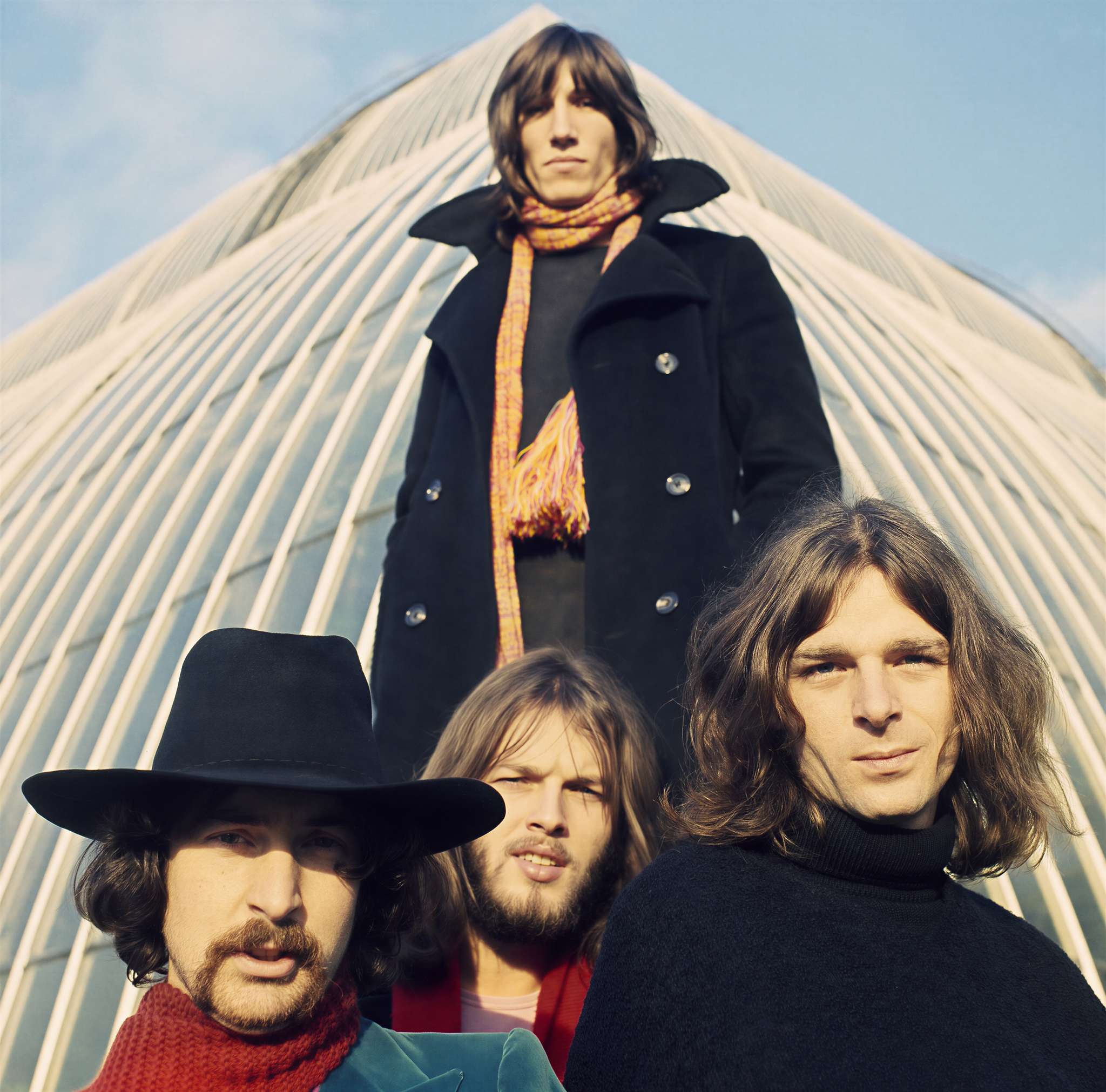
- 🥈 Pink Floyd — 209 plays
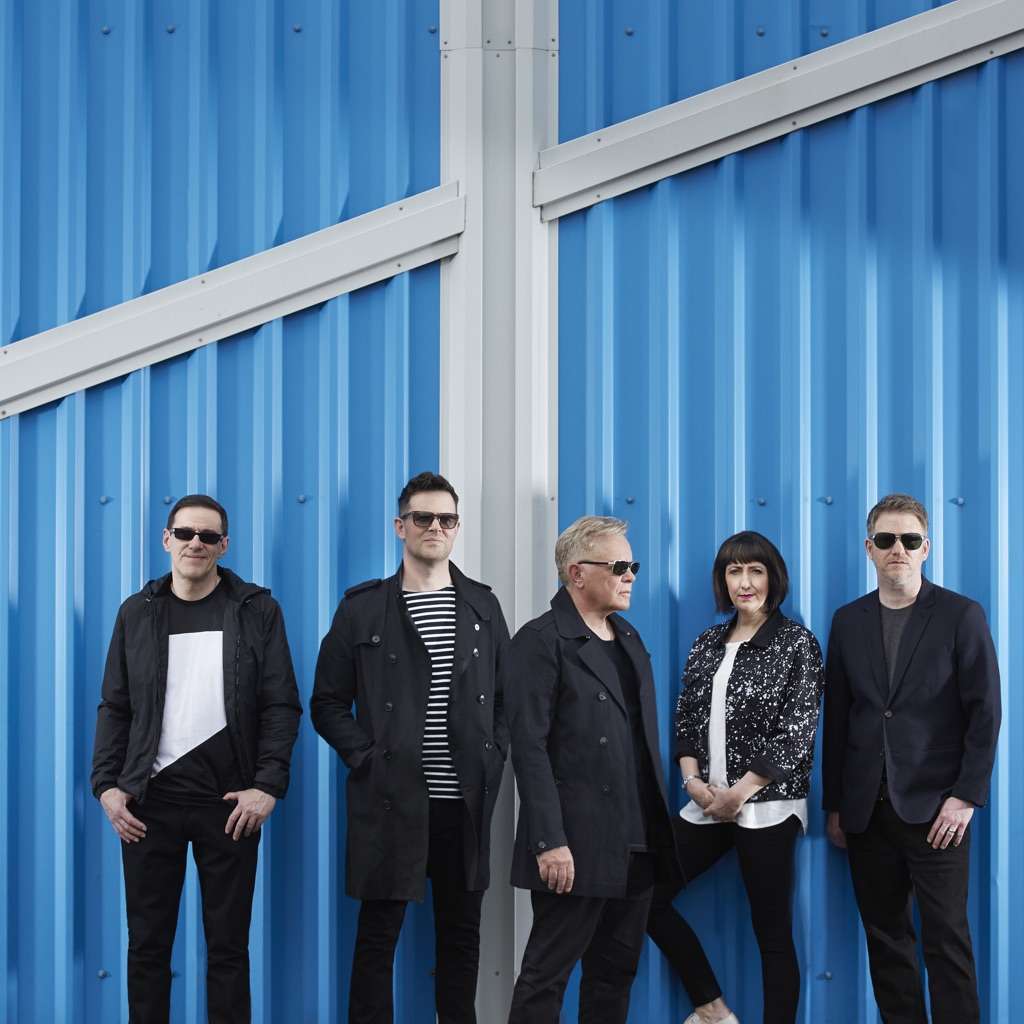
- 🥉 New Order — 158 plays
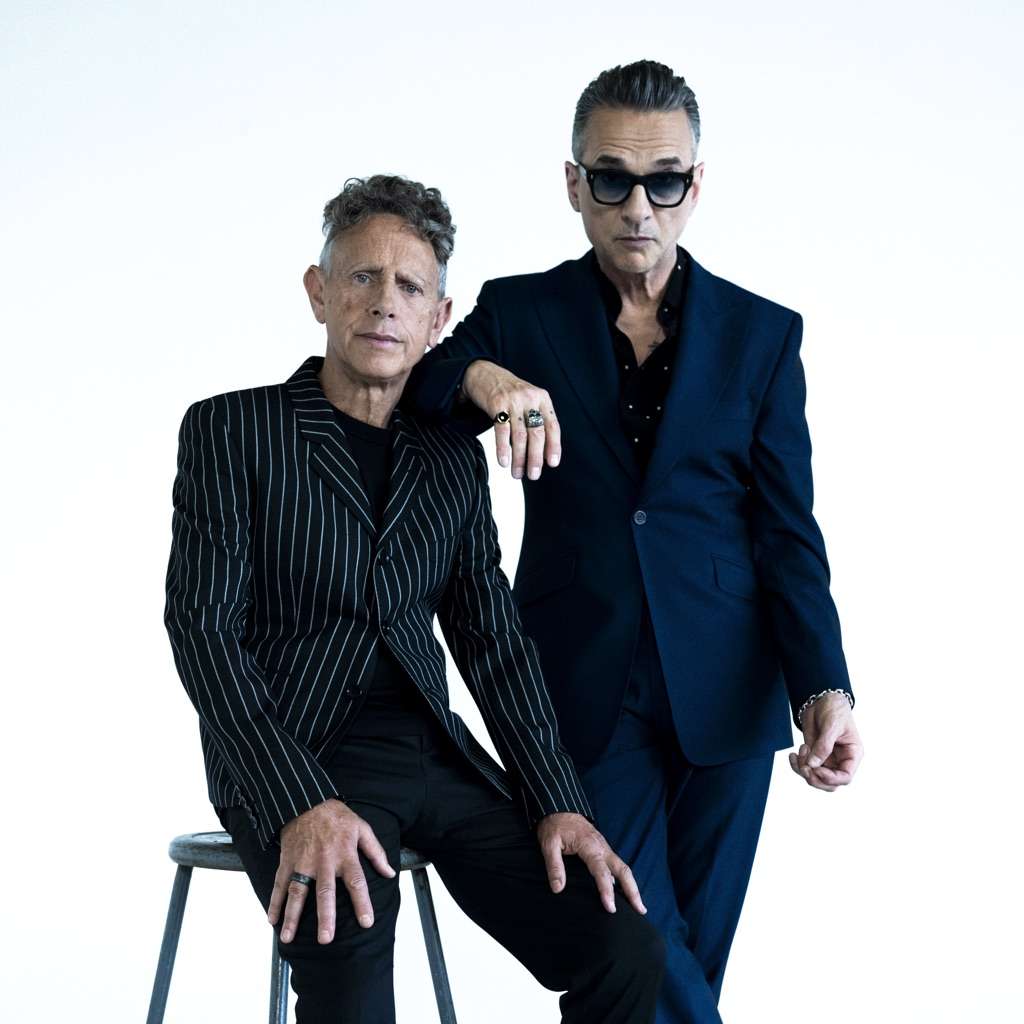
- 4. Depeche Mode — 147 plays
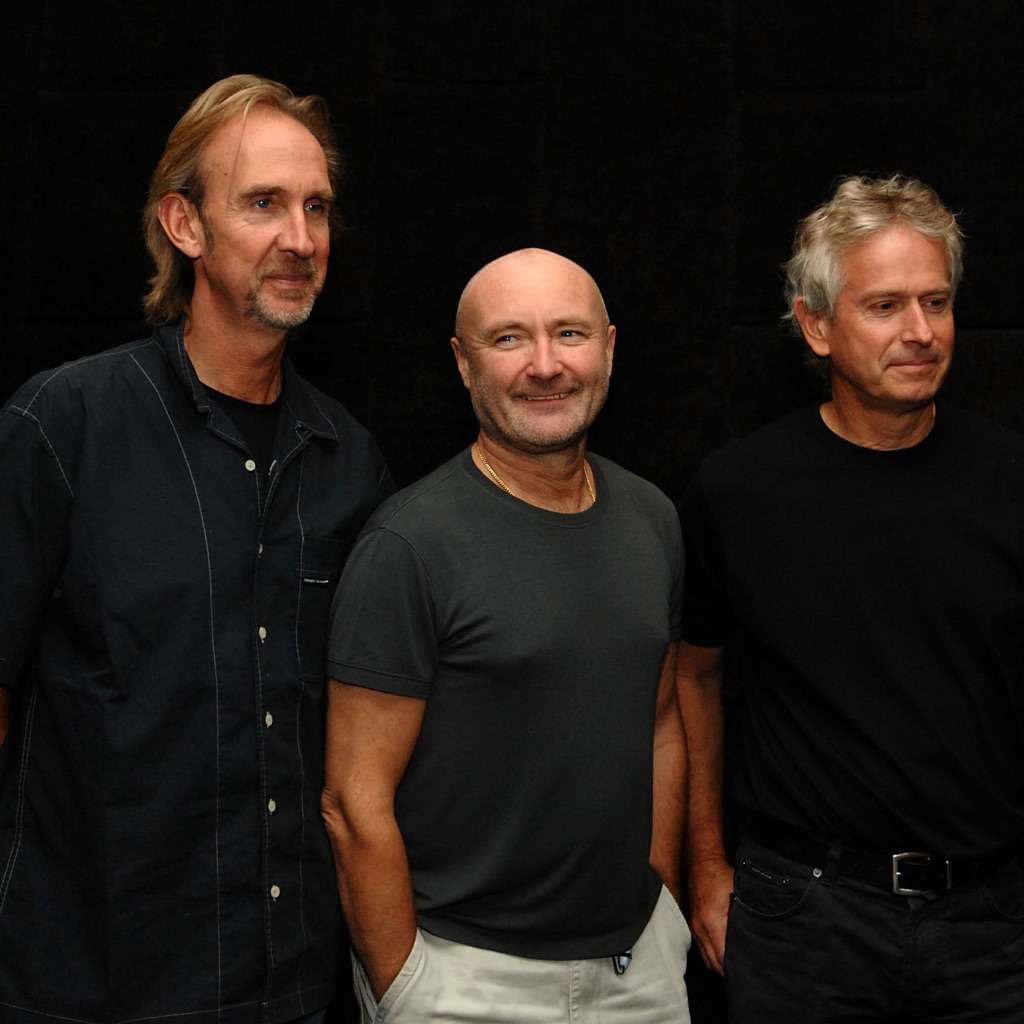
- 5. Genesis — 129 plays
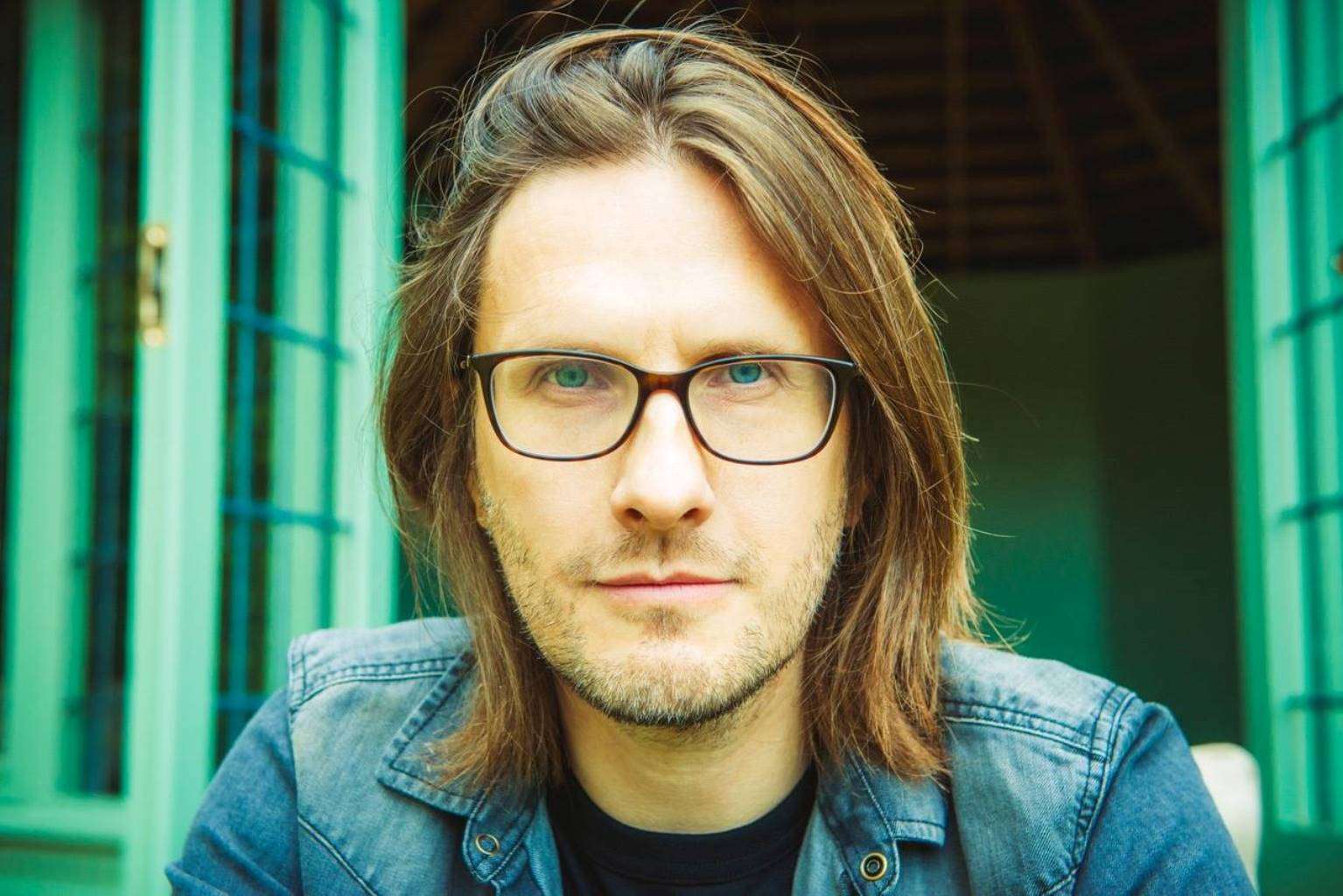
- 6. Steven Wilson — 113 plays
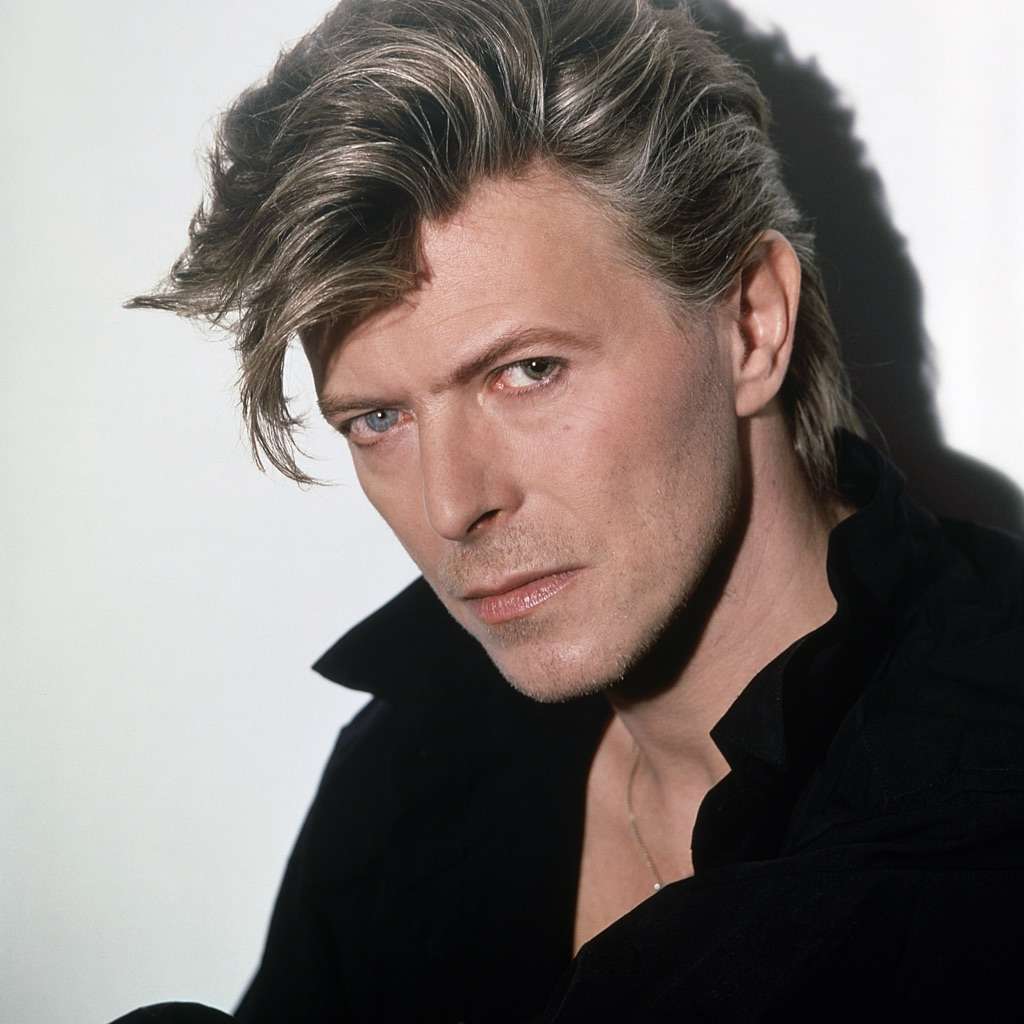
- 7. David Bowie — 110 plays
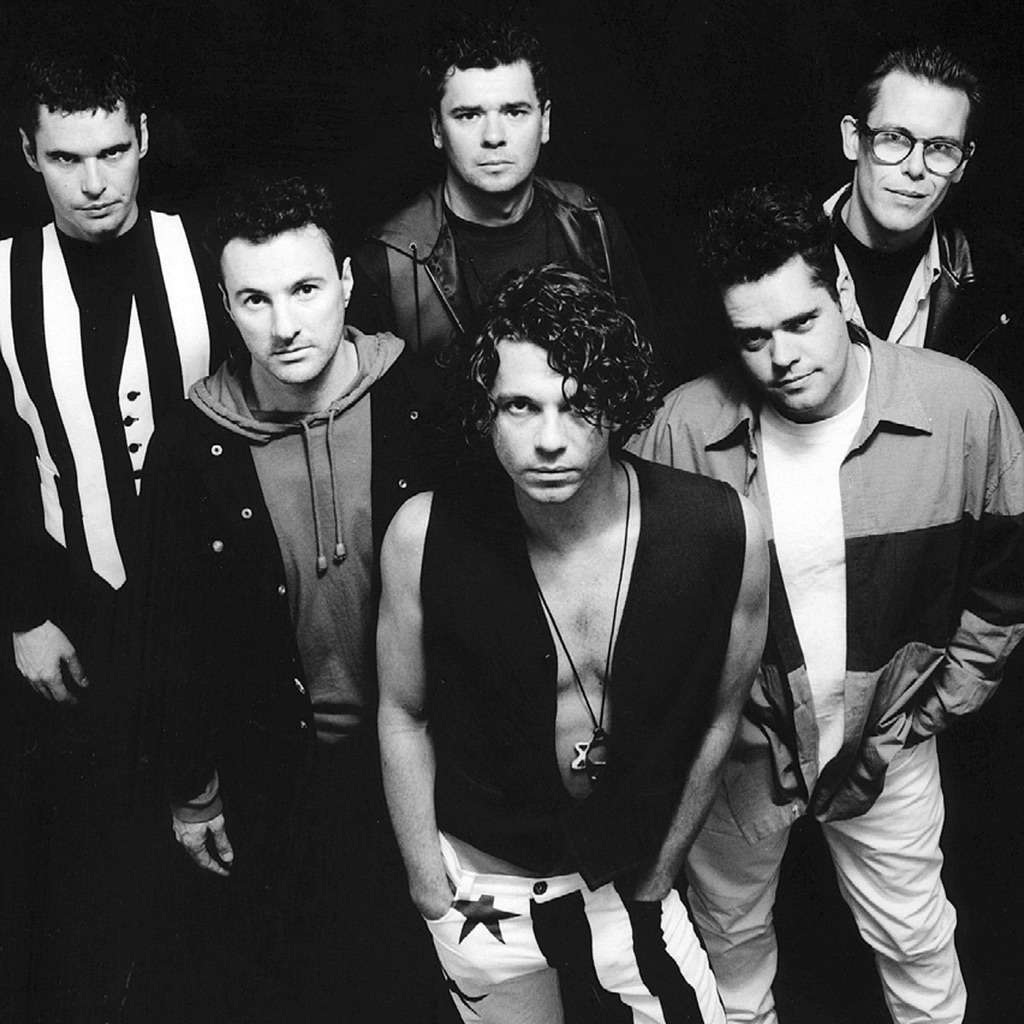
- 8. INXS — 99 plays
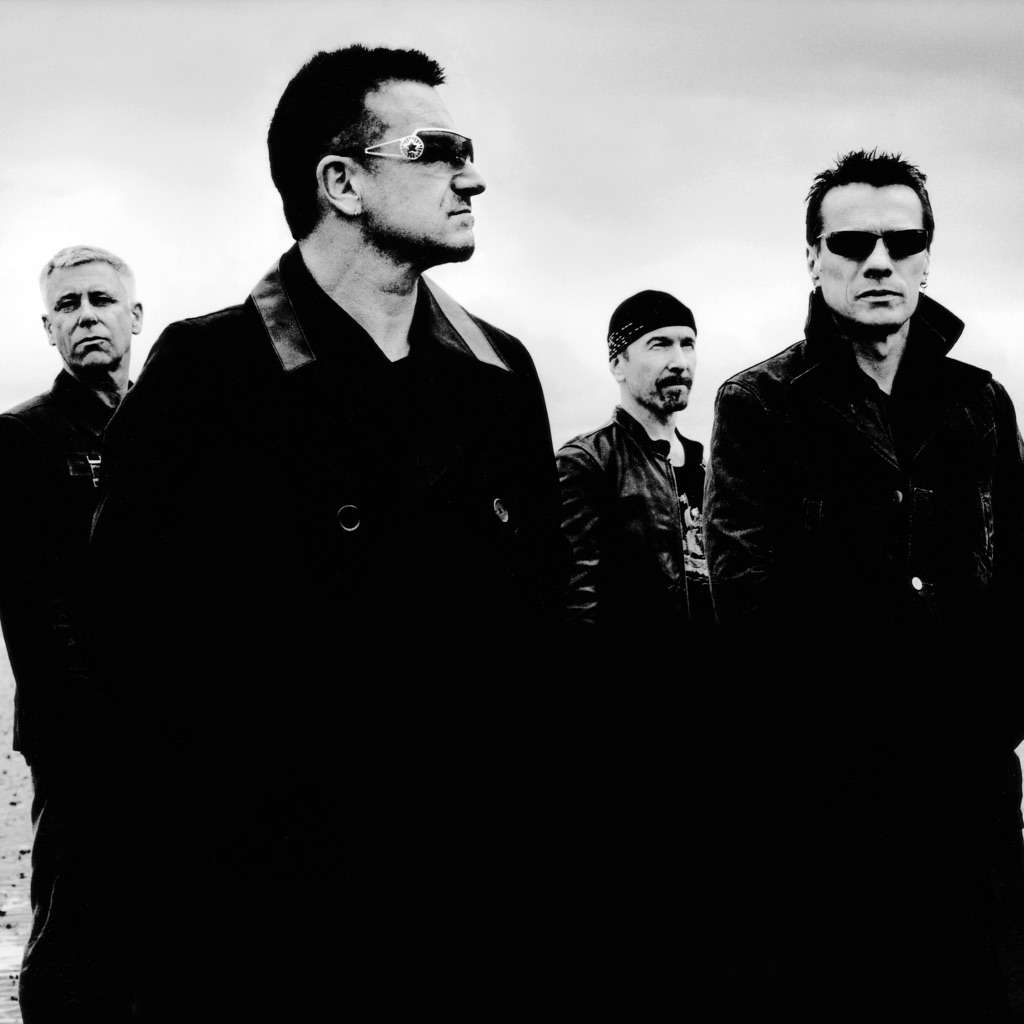
- 9. U2 — 98 plays
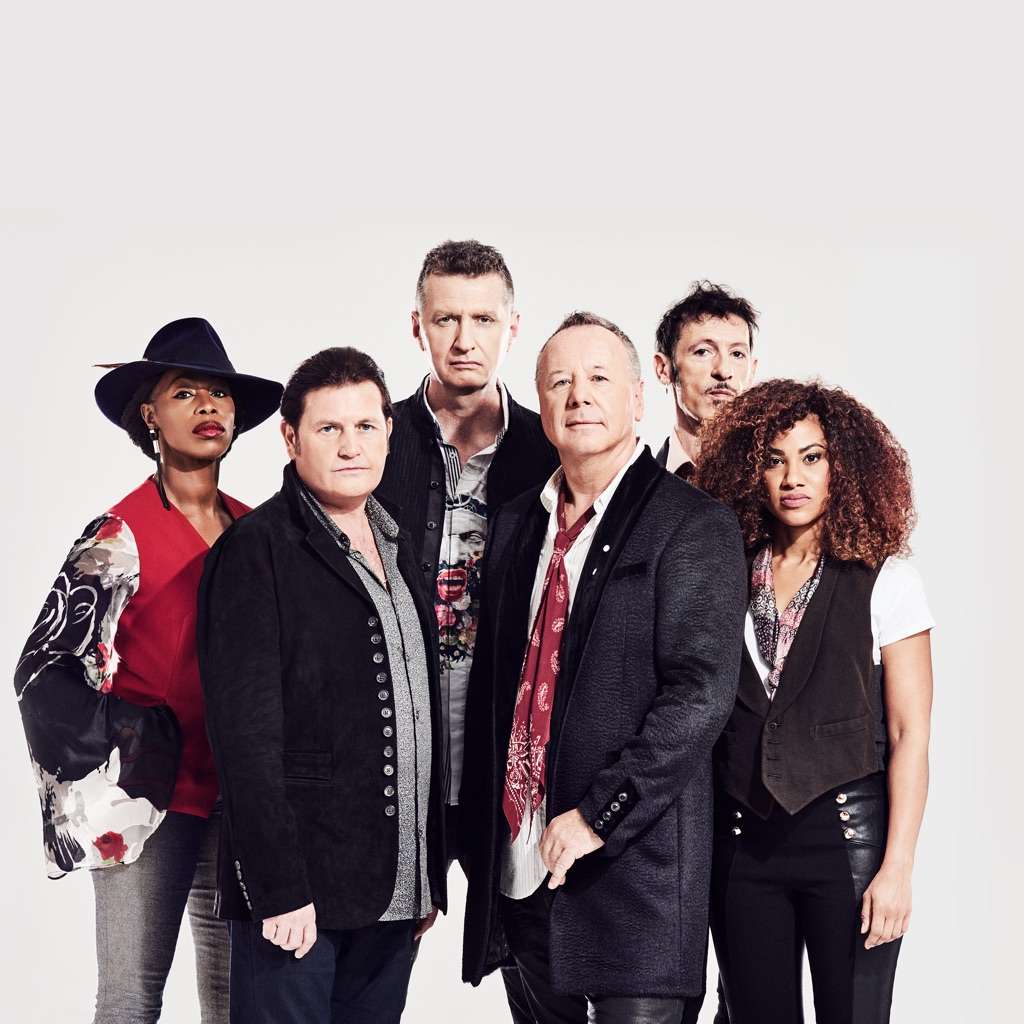
- 10. Simple Minds — 97 plays
View artists 11-25
- 11. Tears for Fears — 85 plays
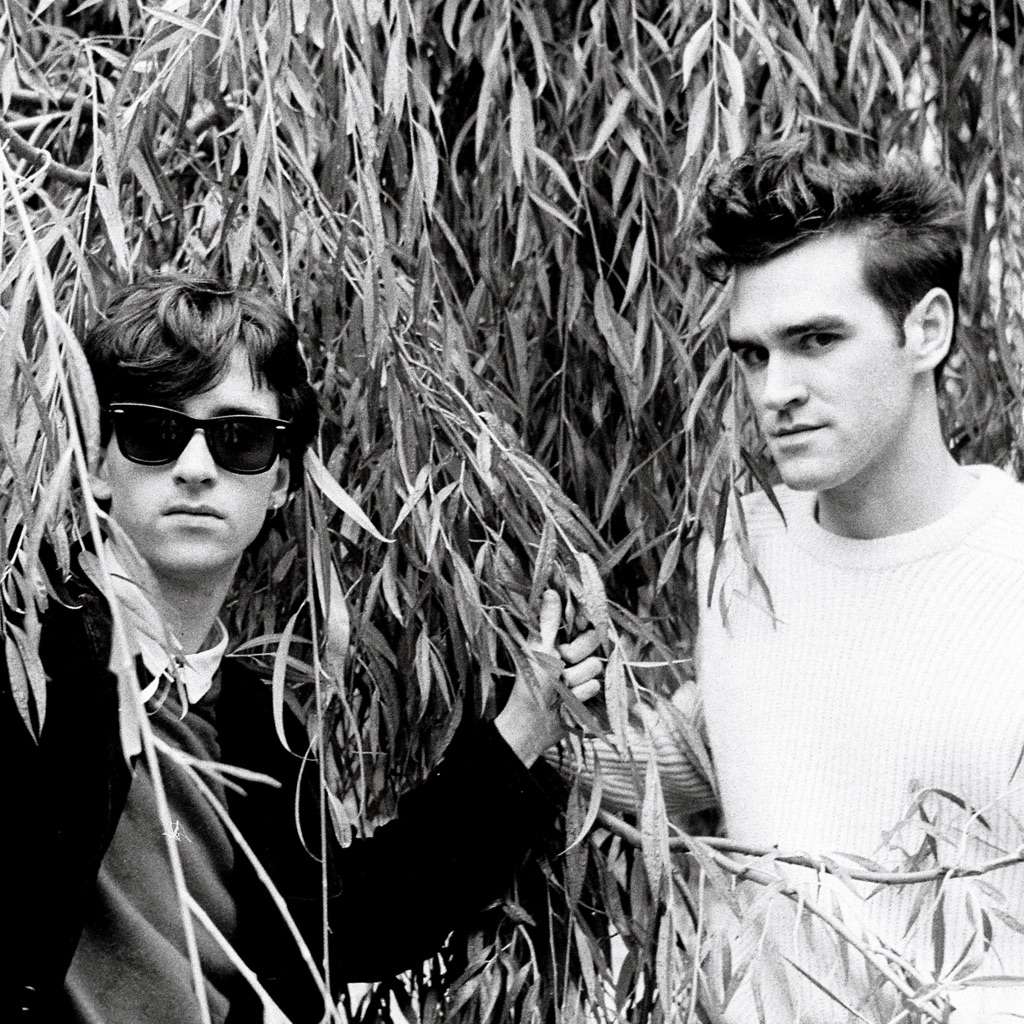
- 12. The Smiths — 84 plays
- 13. James — 76 plays
- 14. Jesus Jones — 71 plays
- 15. Oceansize — 71 plays
- 16. Marillion — 68 plays
- 17. Kate Bush — 61 plays
- 18. Suede — 60 plays
- 19. Primal Scream — 55 plays
- 20. Radiohead — 48 plays
- 21. Gary Numan — 47 plays
- 22. XTC — 47 plays
- 23. The War on Drugs — 47 plays
- 24. The Stone Roses — 45 plays
- 25. The Smashing Pumpkins — 44 plays
Top 50 Albums
- 🥇 Songs from the Big Chair by Tears for Fears — 16 plays
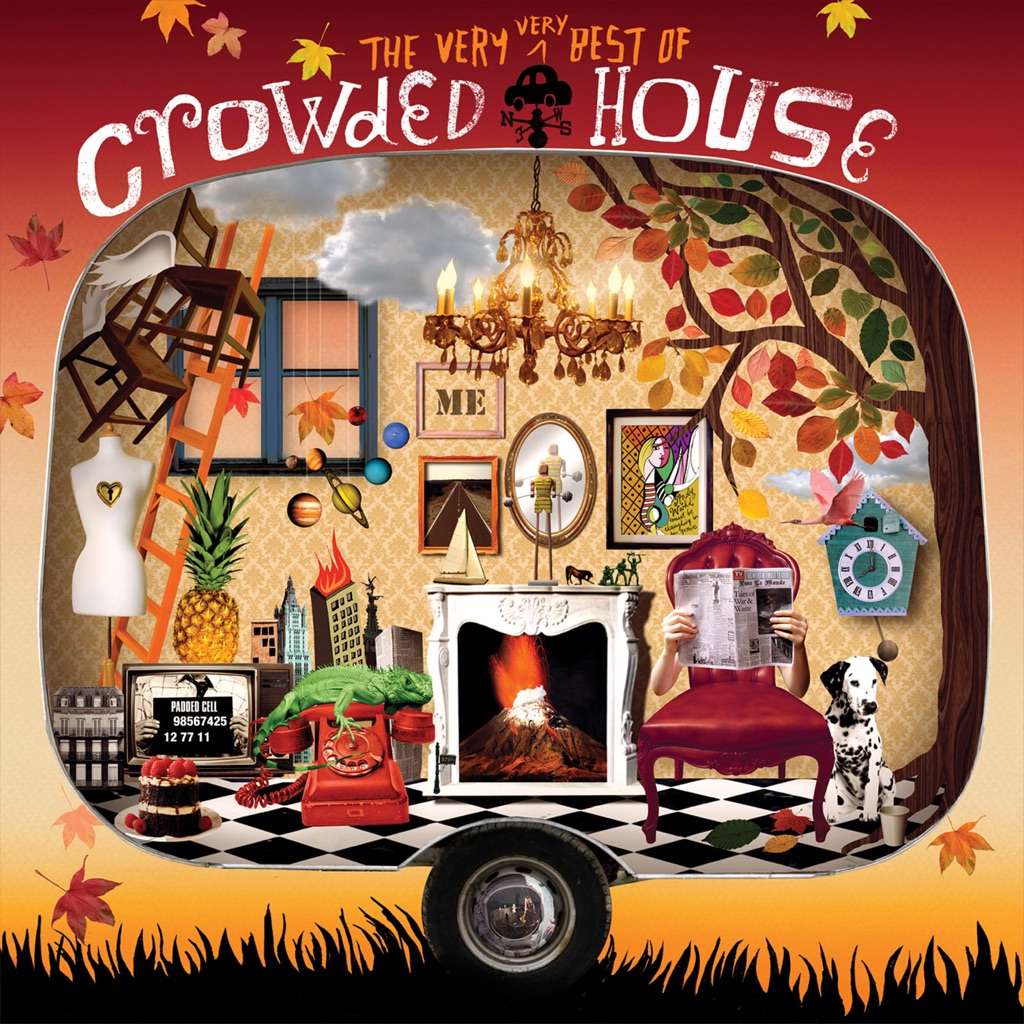
- 🥈 The Very Very Best Of Crowded House by Crowded House — 12 plays
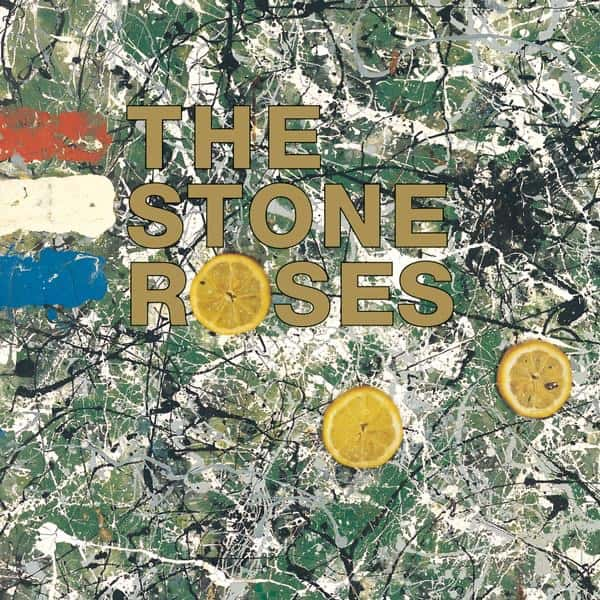
- 🥉 The Stone Roses by The Stone Roses — 11 plays
- 4. Bricks Are Heavy by L7 — 10 plays
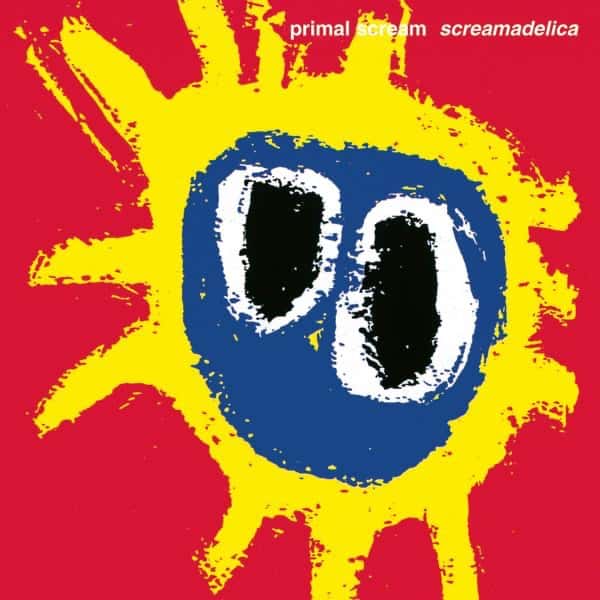
- 5. Screamadelica by Primal Scream — 10 plays
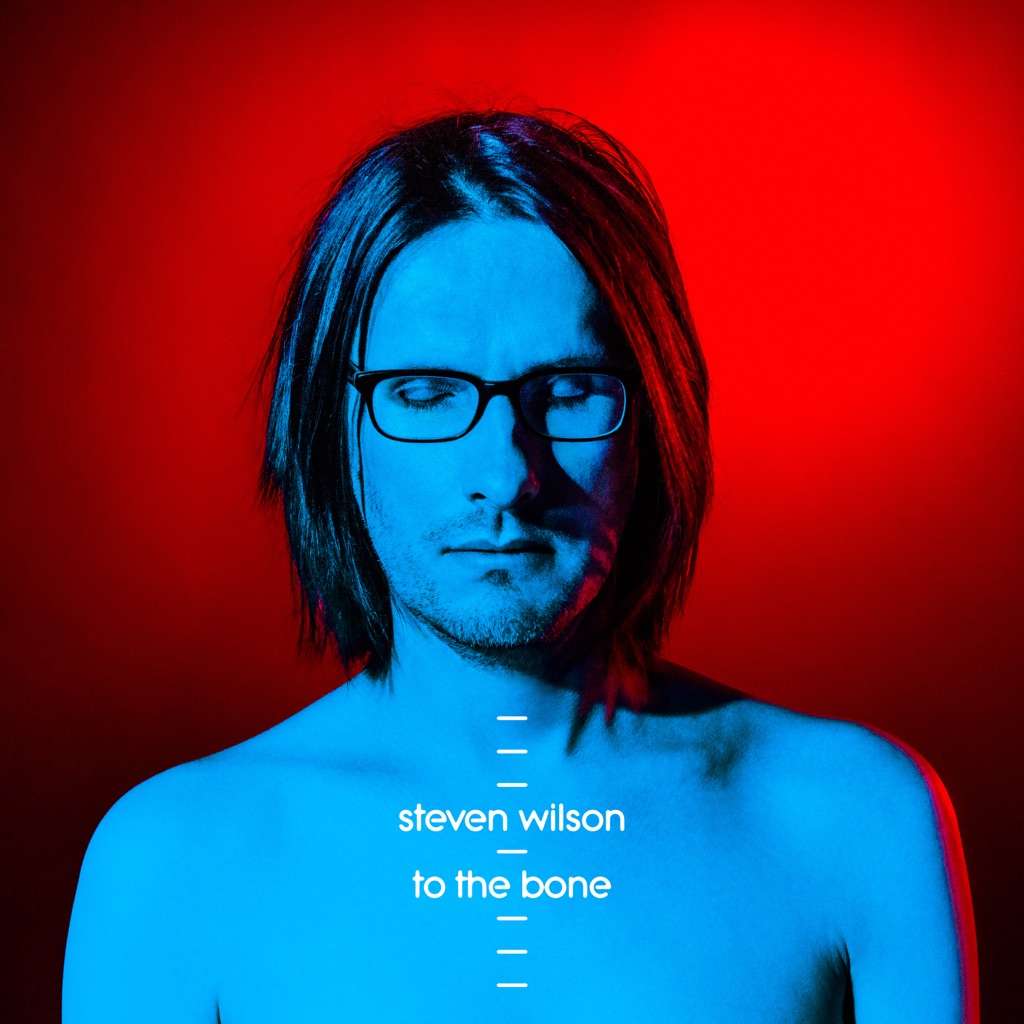
- 6. To the Bone by Steven Wilson — 10 plays
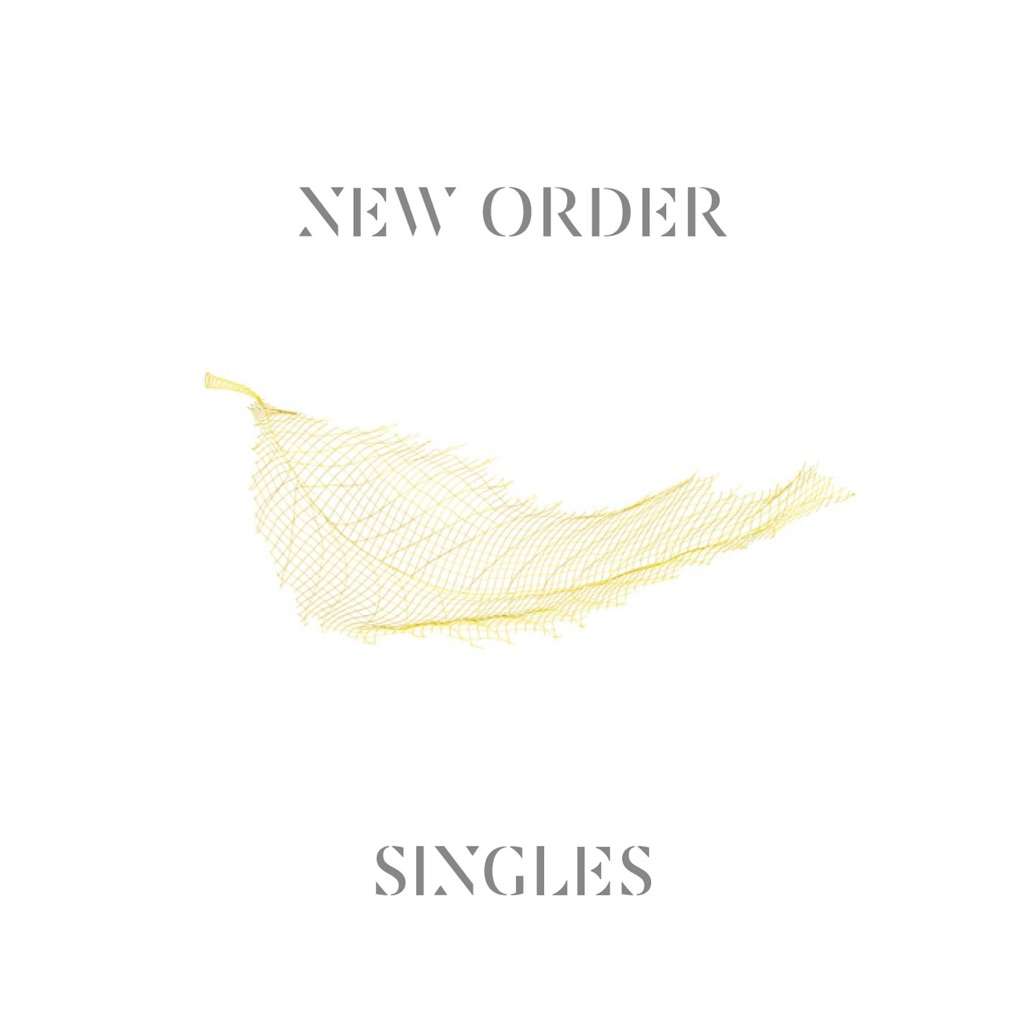
- 7. Singles by New Order — 9 plays
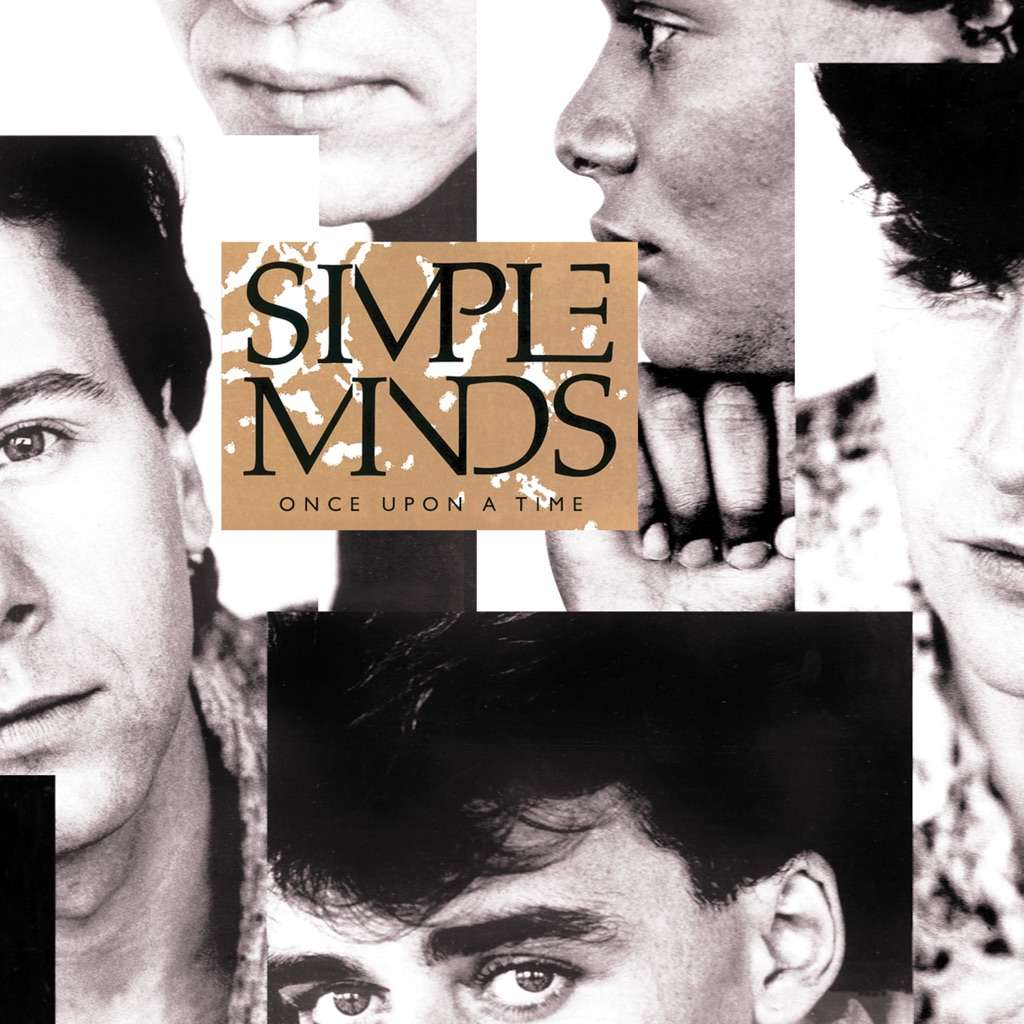
- 8. Once Upon a Time by Simple Minds — 9 plays
- 9. Frames by Oceansize — 9 plays
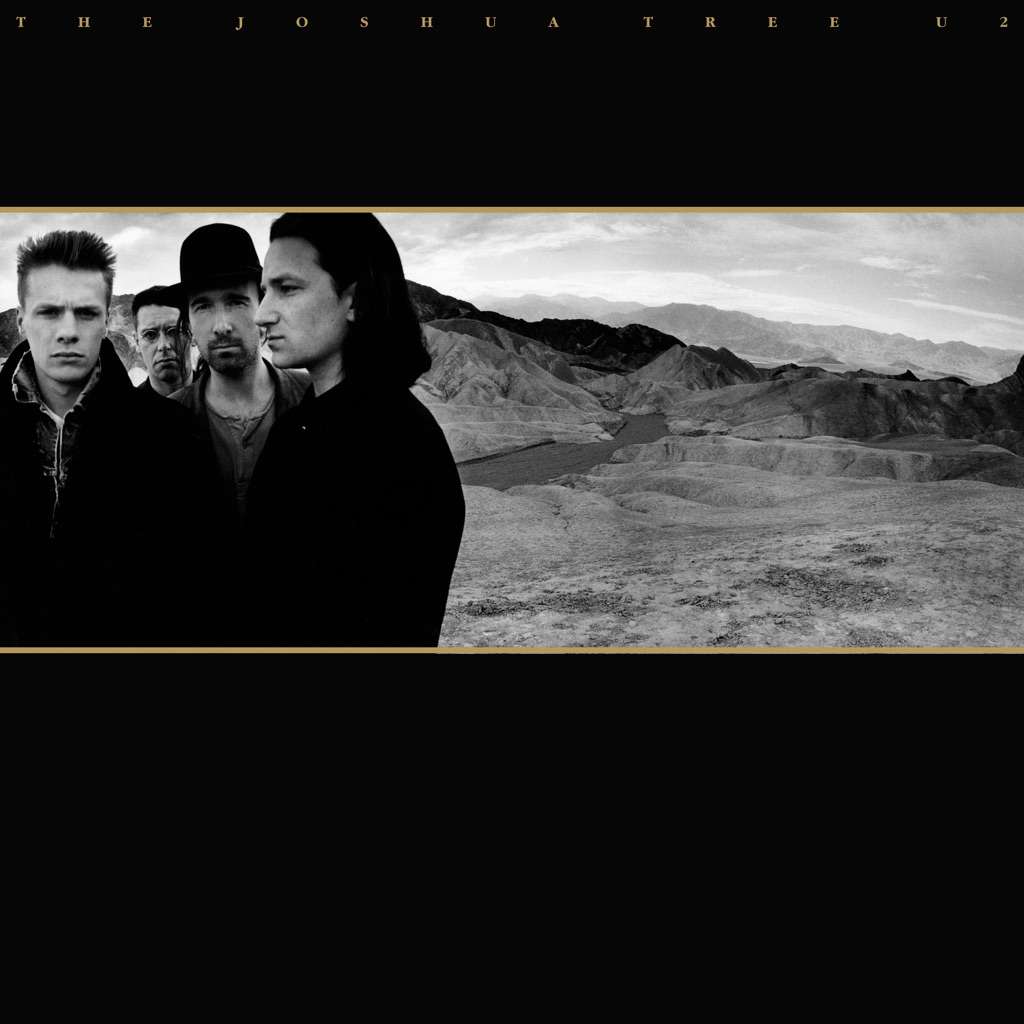
- 10. The Joshua Tree by U2 — 9 plays
View albums 11-50
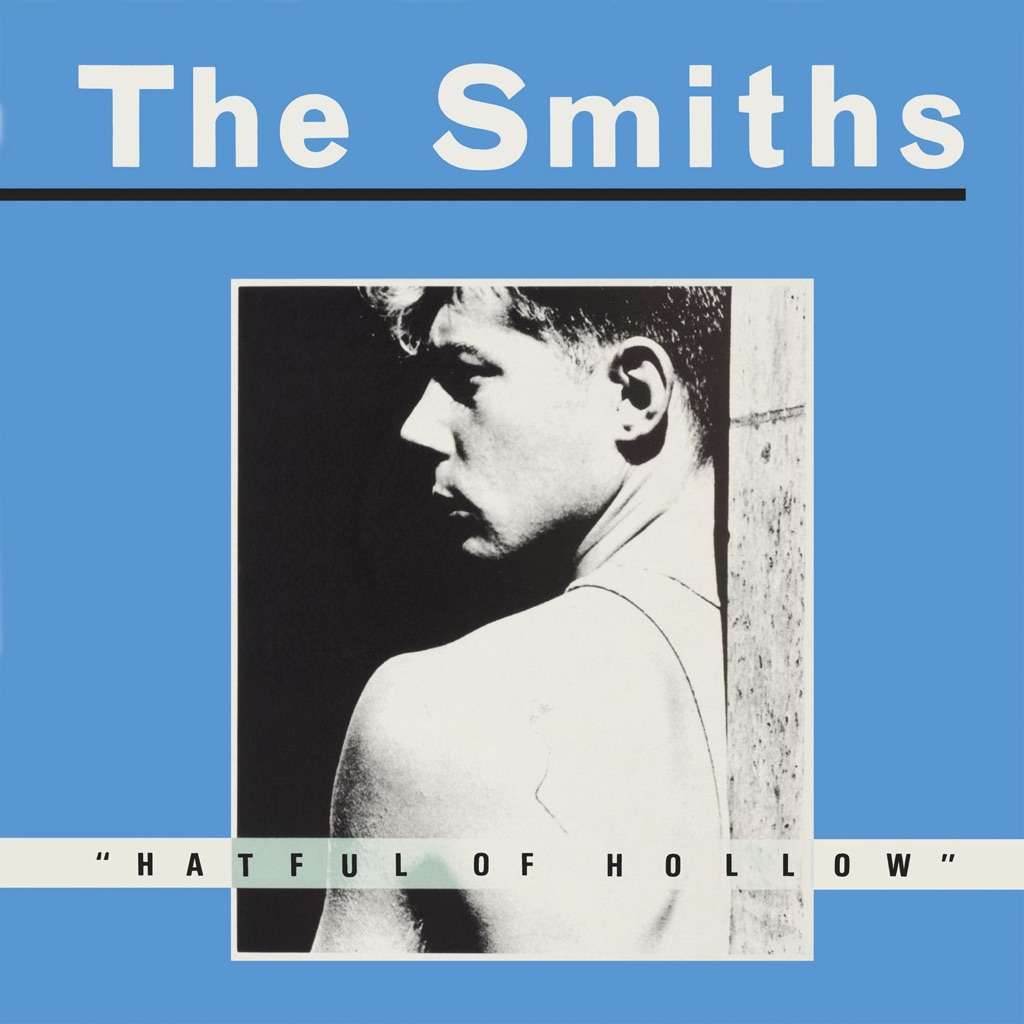
- 11. Hatful of Hollow by The Smiths — 9 plays
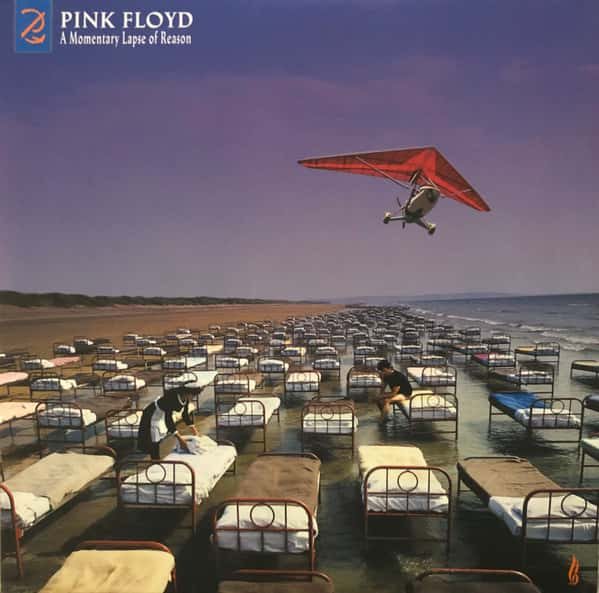
- 12. A Momentary Lapse of Reason by Pink Floyd — 8 plays
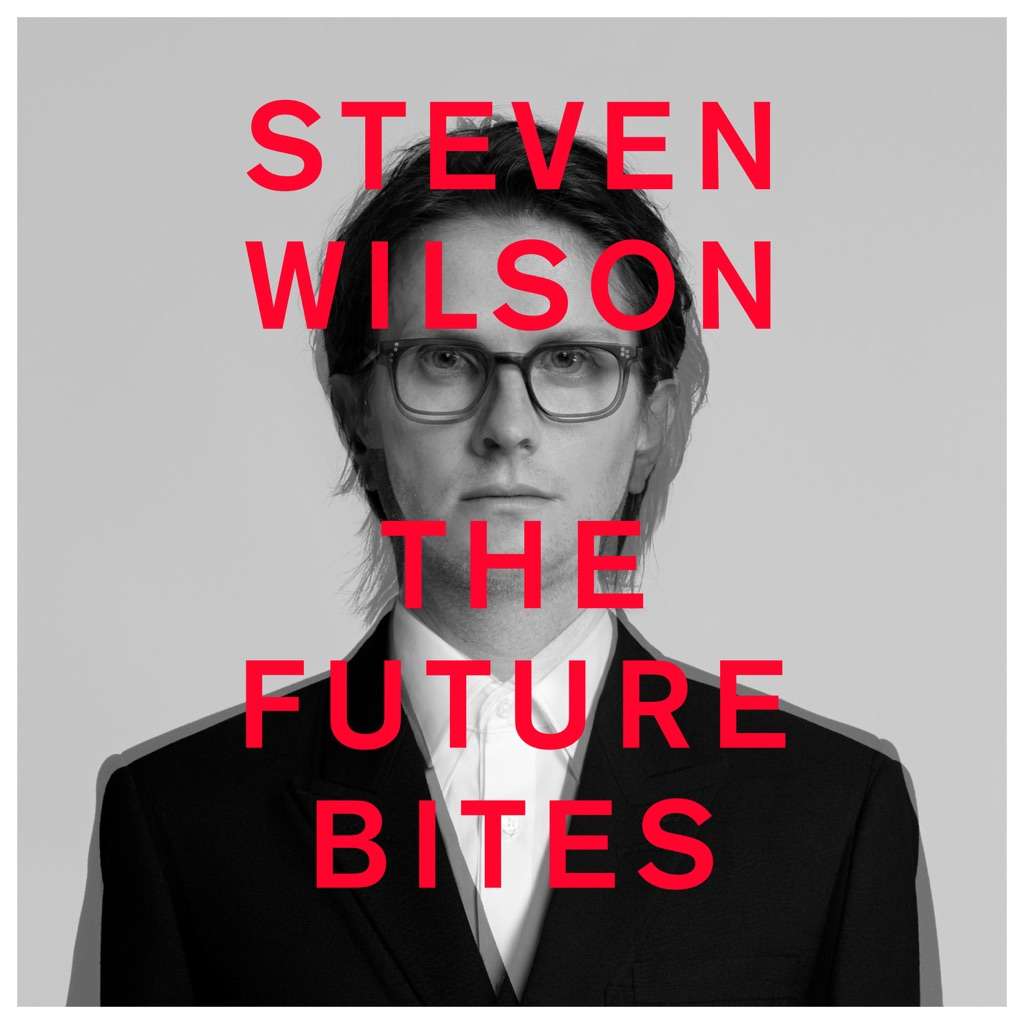
- 13. THE FUTURE BITES by Steven Wilson — 8 plays
- 14. Misplaced Childhood by Marillion — 8 plays
- 15. The Singles 86-98 by Depeche Mode — 8 plays
- 16. James: The Best Of by James — 7 plays
- 17. Copper Blue by Sugar — 7 plays
- 18. Doolittle by Pixies — 7 plays
- 19. Last Splash by The Breeders — 7 plays
- 20. Ten by Pearl Jam — 7 plays
- 21. Hounds of Love by Kate Bush — 7 plays
- 22. Doubt by Jesus Jones — 7 plays
- 23. Some Friendly by The Charlatans — 7 plays
- 24. Black Sea by XTC — 6 plays
- 25. Songs to Learn & Sing by Echo & the Bunnymen — 6 plays
- 26. Electriclarryland by Butthole Surfers — 6 plays
- 27. The Last Domino by Genesis — 6 plays
- 28. Temple of the Dog by Temple of the Dog — 6 plays
- 29. The Best of Depeche Mode, Vol. 1 by Depeche Mode — 6 plays
- 30. Greatest Hits by Happy Mondays — 6 plays
- 31. The Best Of by Joy Division — 6 plays
- 32. Daydream Nation by Sonic Youth — 5 plays
- 33. Crooked Rain, Crooked Rain by Pavement — 5 plays
- 34. OK Computer by Radiohead — 5 plays
- 35. Effloresce by Oceansize — 5 plays
- 36. Use Your Illusion I by Guns N’ Roses — 5 plays
- 37. Woodface by Crowded House — 5 plays
- 38. Out Of Time by R.E.M. — 5 plays
- 39. Badmotorfinger by Soundgarden — 5 plays
- 40. Blood Sugar Sex Magik by Red Hot Chili Peppers — 5 plays
- 41. Forty: The Best of Simple Minds 1979-2019 by Simple Minds — 5 plays
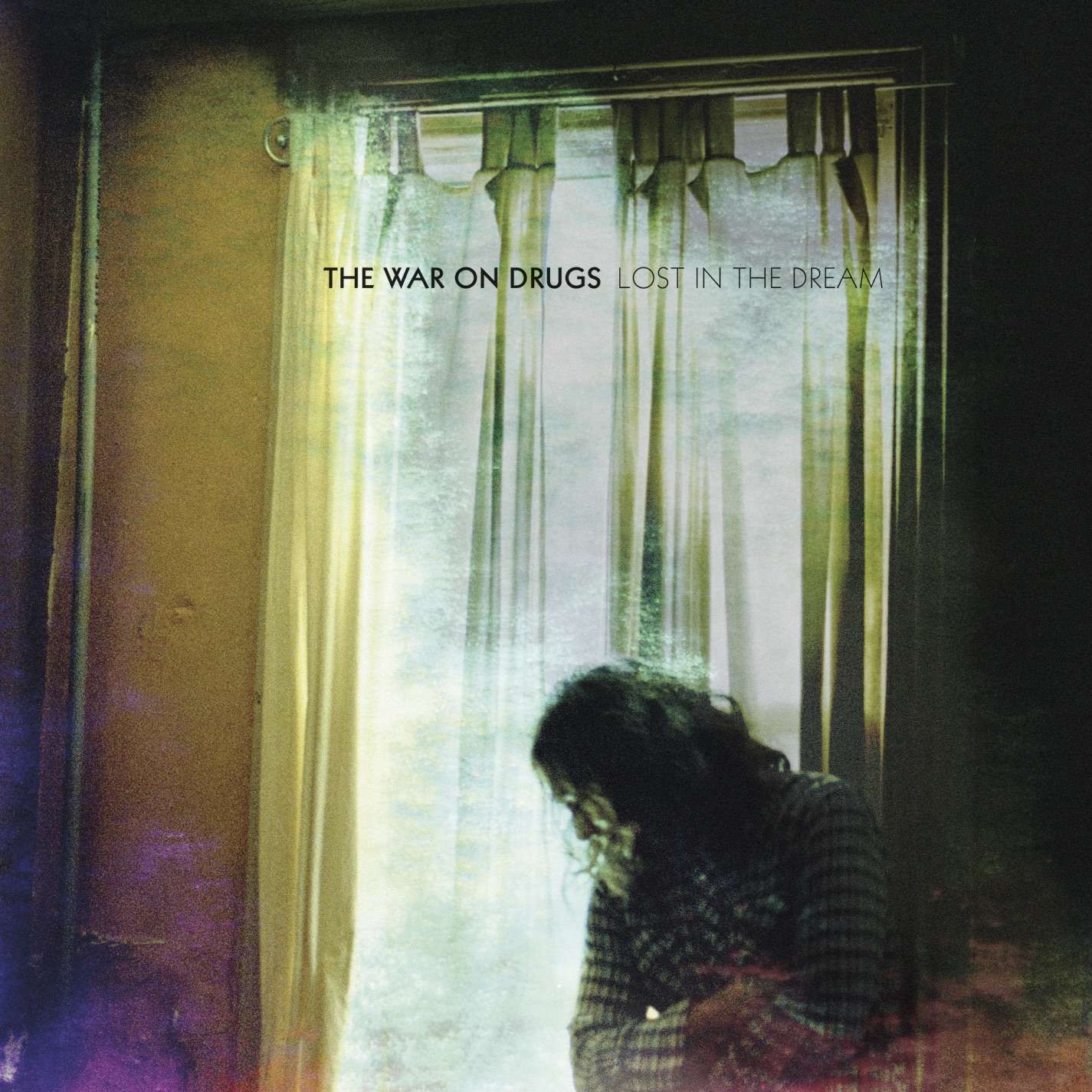
- 42. Lost in the Dream by The War on Drugs — 5 plays
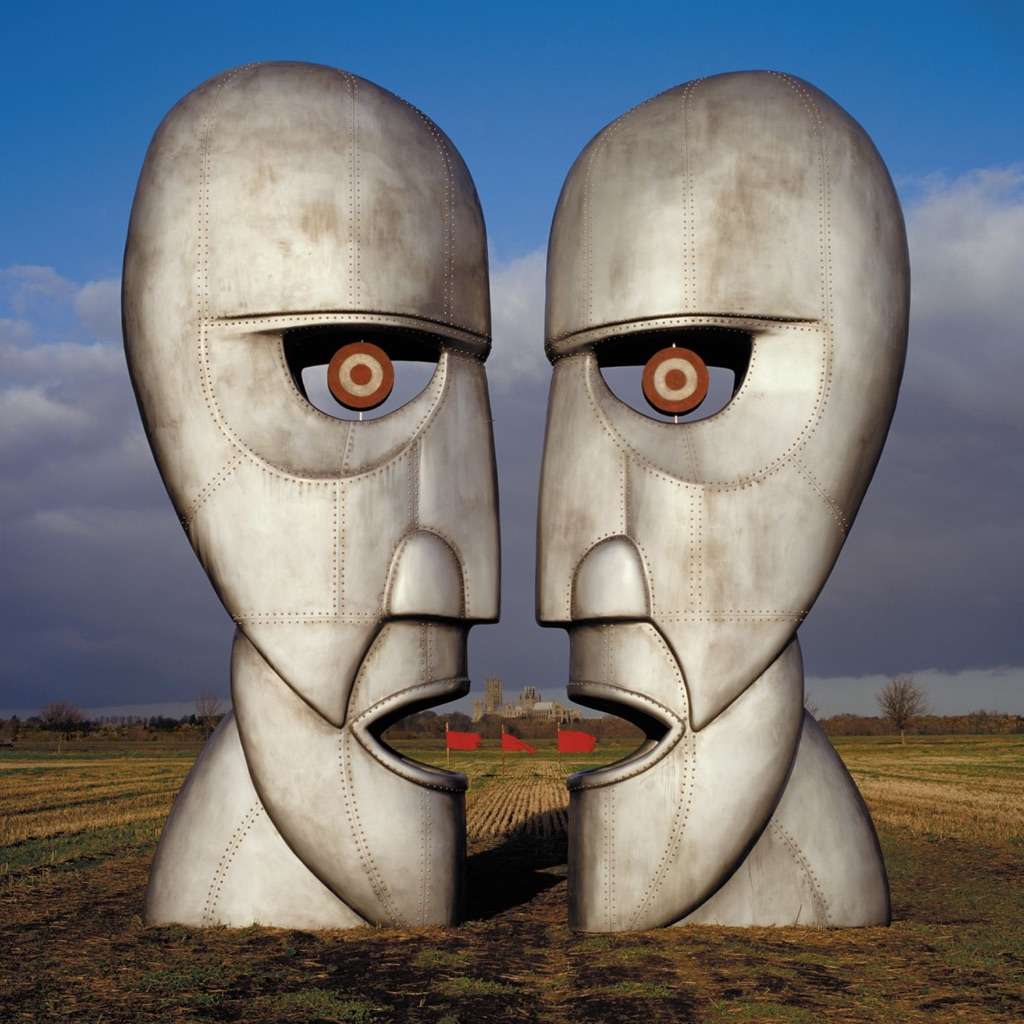
- 43. The Division Bell by Pink Floyd — 5 plays
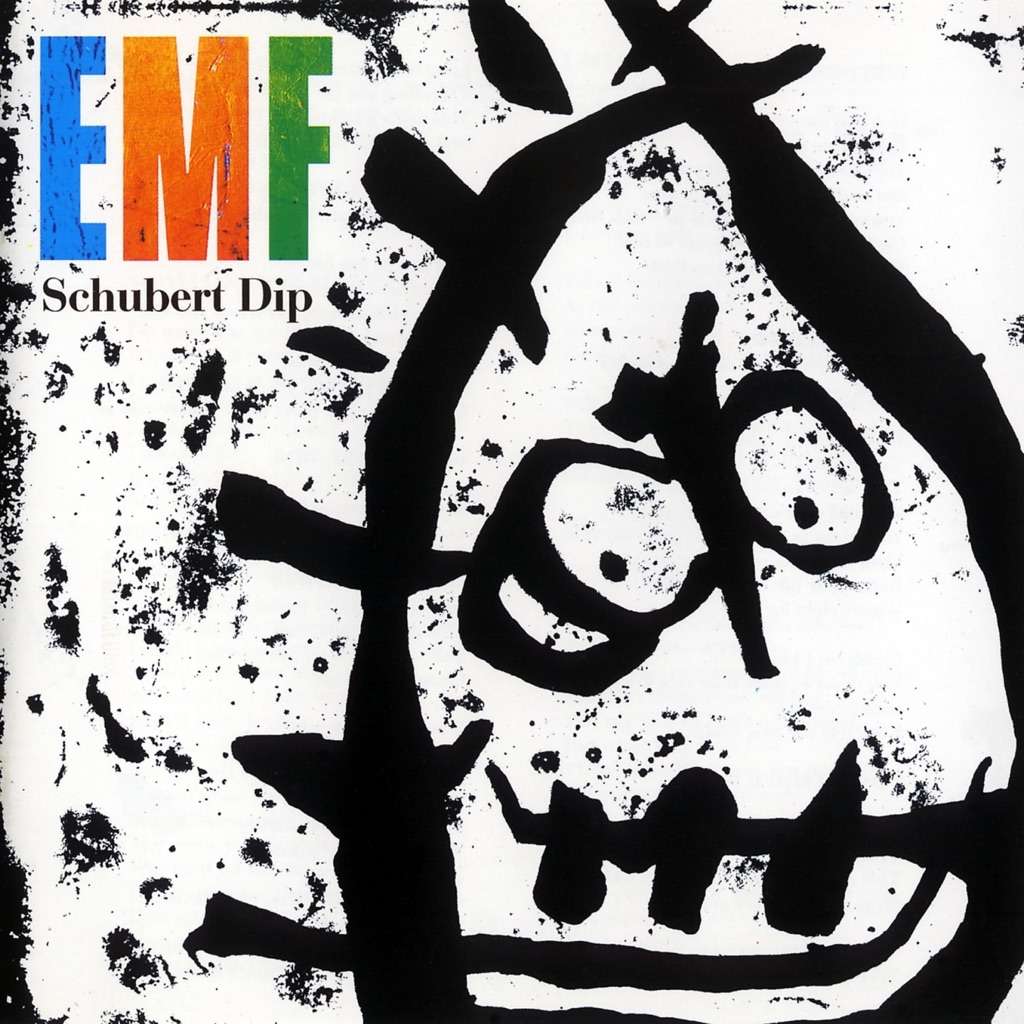
- 44. Schubert Dip by EMF — 5 plays
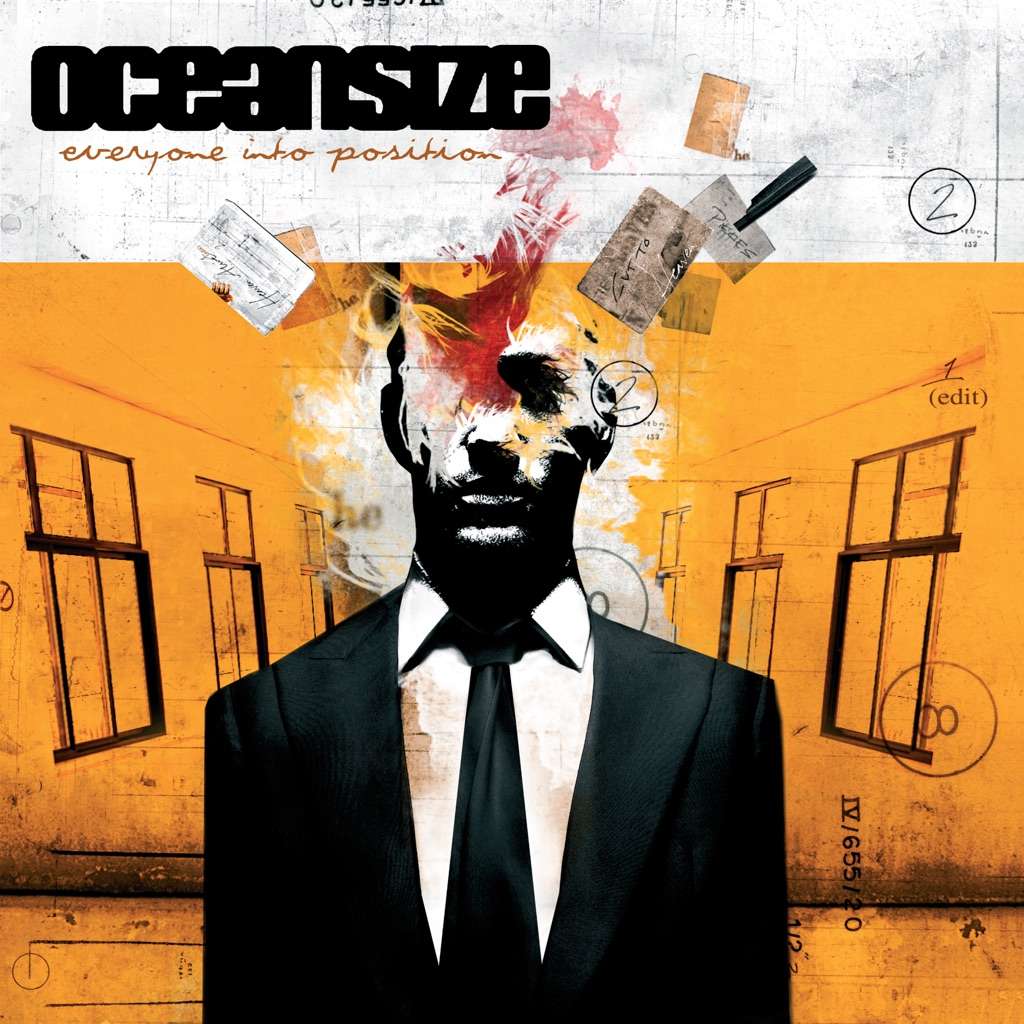
- 45. Everyone Into Position by Oceansize — 5 plays
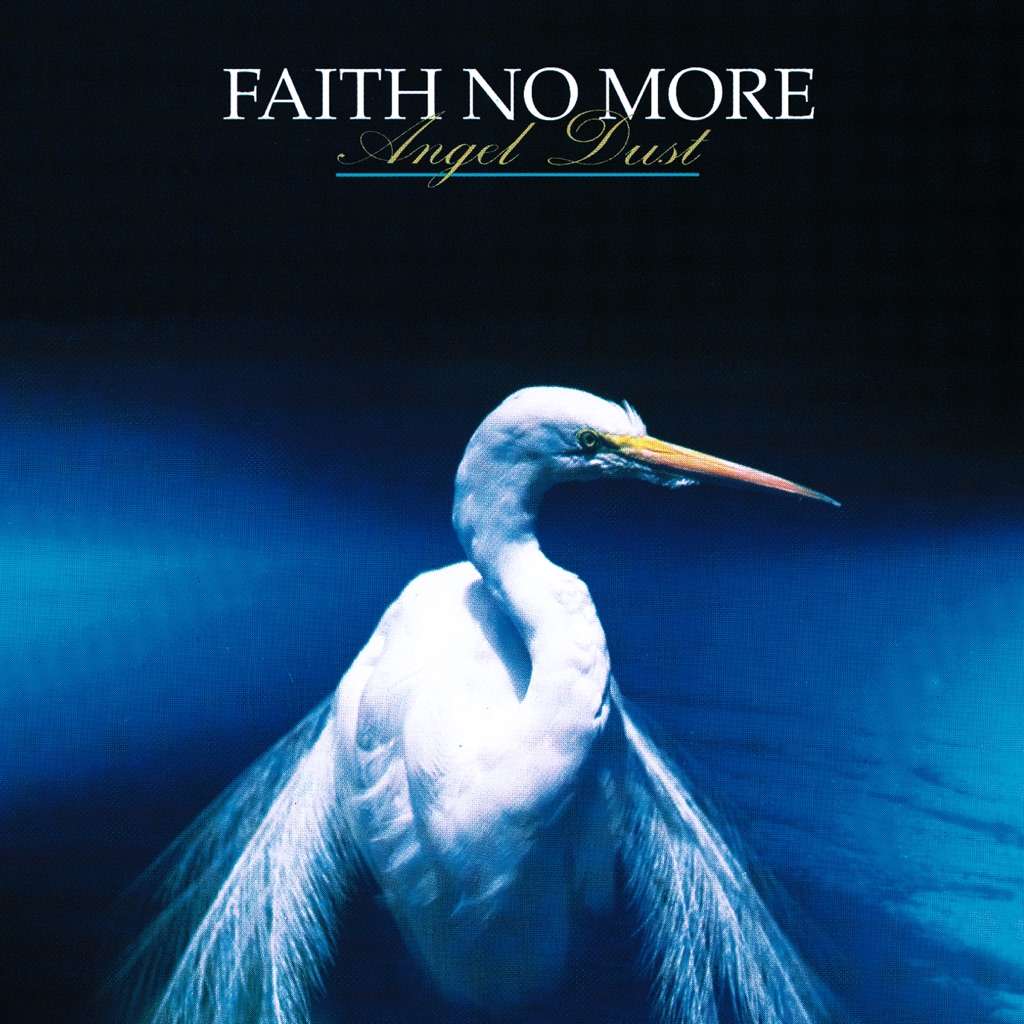
- 46. Angel Dust by Faith No More — 5 plays
- 47. Viva Hate by Morrissey — 5 plays
- 48. The Hurting by Tears for Fears — 4 plays
- 49. Star by Belly — 4 plays
- 50. Peepshow by Siouxsie and the Banshees — 4 plays
Monthly Breakdown
Heres how my listening habits shifted throughout the year:
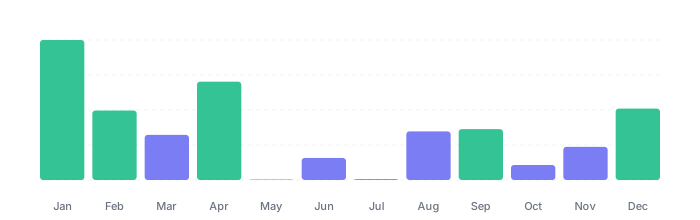
Most active month: January (971 plays)
Quietest month: May (3 plays)
Best quarter: Q1 (Jan-Mar) (1,766 plays)
View monthly data as table
| Month | Plays | Above Average |
|---|---|---|
| January | 971 | ✓ |
| February | 482 | ✓ |
| March | 313 | |
| April | 682 | ✓ |
| May | 3 | |
| June | 153 | |
| July | 6 | |
| August | 337 | |
| September | 353 | ✓ |
| October | 104 | |
| November | 230 | |
| December | 495 | ✓ |
Genre Breakdown
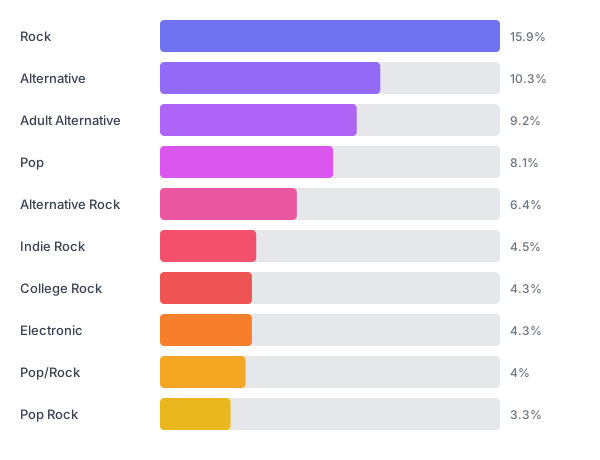
My top genres based on album metadata from my collection:
View as text list
- 1. Rock — 656 plays (15.9%)
- 2. Alternative — 425 plays (10.3%)
- 3. Adult Alternative — 381 plays (9.2%)
- 4. Pop — 336 plays (8.1%)
- 5. Alternative Rock — 265 plays (6.4%)
- 6. Indie Rock — 184 plays (4.5%)
- 7. College Rock — 177 plays (4.3%)
- 8. Electronic — 176 plays (4.3%)
- 9. Pop/Rock — 166 plays (4%)
- 10. Pop Rock — 136 plays (3.3%)
Hidden Gems
These albums might not have topped the charts, but they earned a special place in my rotation:
- “Viva Hate” by Morrissey
- “Angel Dust” by Faith No More
- “Everyone Into Position” by Oceansize
- “Schubert Dip” by EMF
- “The Division Bell” by Pink Floyd
- “Lost in the Dream” by The War on Drugs
New Discoveries (Released in 2021)
These albums were released in 2021 and made their way into my rotation:
Featured Albums
Songs from the Big Chair by Tears for Fears 🎧
16 plays in this year
Recording & creation 🎚️
Released in 1985, Songs from the Big Chair was Tears for Fears’ deliberate leap from the claustrophobic synth‑pop of The Hurting to a widescreen, arena‑ready sound. The title comes from the 1976 TV film Sybil — the “big chair” as a therapy trope — which reflects the band’s ongoing fascination with psychology and primal‑scream ideas. Production was led by Chris Hughes with heavy creative input from Roland Orzabal and Ian Stanley; sessions stretched over months as songs were built, deconstructed and rebuilt. Fun fact: “Everybody Wants to Rule the World” was the last song written for the album and came together in about a week, while other tracks ran over six minutes and forced the band to pare the vinyl to just eight expansive pieces.
Sound & style — what makes it distinctive 🎹
What sets the album apart is its hybrid identity: synth‑pop/new‑wave sensibilities married to pop‑rock dynamics. It keeps layered synth pads, arpeggios and sequenced patterns at its core, but overlays them with jangly guitars, live bass and drumming — producing warmth and a human pulse that pure synth records often lacked. The arrangements favor big choruses and dramatic builds (listen to the slow escalation of “Shout”), yet the lyrics keep an introspective and political edge: power and corruption in “Everybody Wants to Rule the World,” catharsis in “Shout,” and tenderness in “I Believe.” The album’s bookending of “Broken” and “Head Over Heels” shows their artful use of motifs and sequencing, almost like personalities occupying the same “big chair.”
Production aesthetics & synth palette ⚙️
Mid‑’80s studio polish is all over the record: gated reverb drums, roomy digital reverbs, tightly programmed sequences and multi‑layered synth textures. Rather than replacing traditional instruments, synths provide atmosphere, hooks and rhythmic scaffolding — pads for emotional swells, arpeggiated lines for momentum, and melodic synth leads that sit beside guitar lines. The production balances electronic precision with live energy, giving the album both sheen and soul.
Reception, MTV & legacy 📺
Commercially it was a breakthrough: multi‑platinum sales worldwide, US No.1 and prolonged chart life in the UK. Singles — especially “Shout” and “Everybody Wants to Rule the World” — became MTV staples; their videos translated the band’s psychological seriousness into cinematic, accessible images and widened their audience. Over time the album has become a landmark of 1980s pop: a template for marrying thoughtful, darker themes to radio‑friendly production and a touchstone for later artists who mined the emotional, synth‑forward ‘80s sound.
The Very Very Best of Crowded House by Crowded House 🎶
12 plays in this year
Recording history & creation process 🎧
Released by Capitol/EMI in October 2010 as a 25th‑anniversary compilation, The Very Very Best of Crowded House is a label‑curated career snapshot that pulls singles from the band’s Capitol era (1986–2007). It isn’t a new studio statement so much as a retelling: the standard CD collects 19 singles, a deluxe digital edition stretches to 32 tracks (including a rare 1987 live cover of Hunters & Collectors’ “Throw Your Arms Around Me”), and a CD+DVD box set bundles 25 promo videos. The vinyl was notable — a 2×180g LP cut from the original analogue masters at Abbey Road — giving longtime fans a high‑quality analogue revisit. Band involvement appears limited; the set was largely an EMI effort to repackage and reframe the catalogue after the band moved labels.
Musical style, guitar work & rhythm section 🎸
This compilation distills Crowded House’s signature blend of pop-rock, jangle‑pop and alternative sensibility. Neil Finn’s songwriting — economical, melody-first guitar parts and unforgettable choruses — drives the songs: chiming Rickenbacker-esque strums (“Weather With You”), delicate arpeggios (“Fall at Your Feet”), and tight riffing (“Something So Strong”). Producers like Mitchell Froom and Youth added textured keyboards and sonic quirks, pushing some tracks into richer, more atmospheric territory. Rhythmically the record leans on Nick Seymour’s melodic, song‑shaping bass and Paul Hester’s feel-driven drumming; their interplay keeps ballads grounded and uptempo numbers buoyant. On reunion tracks (from Time on Earth) Matt Sherrod’s punchier drumming modernizes the groove.
Reception, legacy & streaming‑era role 🌍
The compilation reached the Top 20 in Australia and New Zealand on release and resurfaced in the ARIA Top 5 in 2016 around the band’s high‑profile “Encore” moments. Critics largely accepted it as the clearest single‑disc gateway to the band (AllMusic called the expanded set nearly definitive), even while noting its label‑driven timing. More importantly, the album functions as the default streaming anthology: it consolidates the band’s most shared and playlisted tracks — “Don’t Dream It’s Over,” “Better Be Home Soon,” “Four Seasons in One Day” — making their music discoverable to a new generation online.
Politics, themes & why it still matters 🕊️
Though primarily personal and introspective, the set includes flashes of social commentary — “Chocolate Cake” skewers consumer excess, while “Pour Le Monde” reads as a cautious plea about war and responsibility. The emotional clarity — themes of home, longing and resilience — plus the cross‑genre blend of pop craft and alt‑texture make these songs stubbornly timeless. In short: whether you hear it on vinyl, a curated playlist or in a social feed, this compilation frames Crowded House as masters of melodic storytelling whose subtlety and craft still resonate.
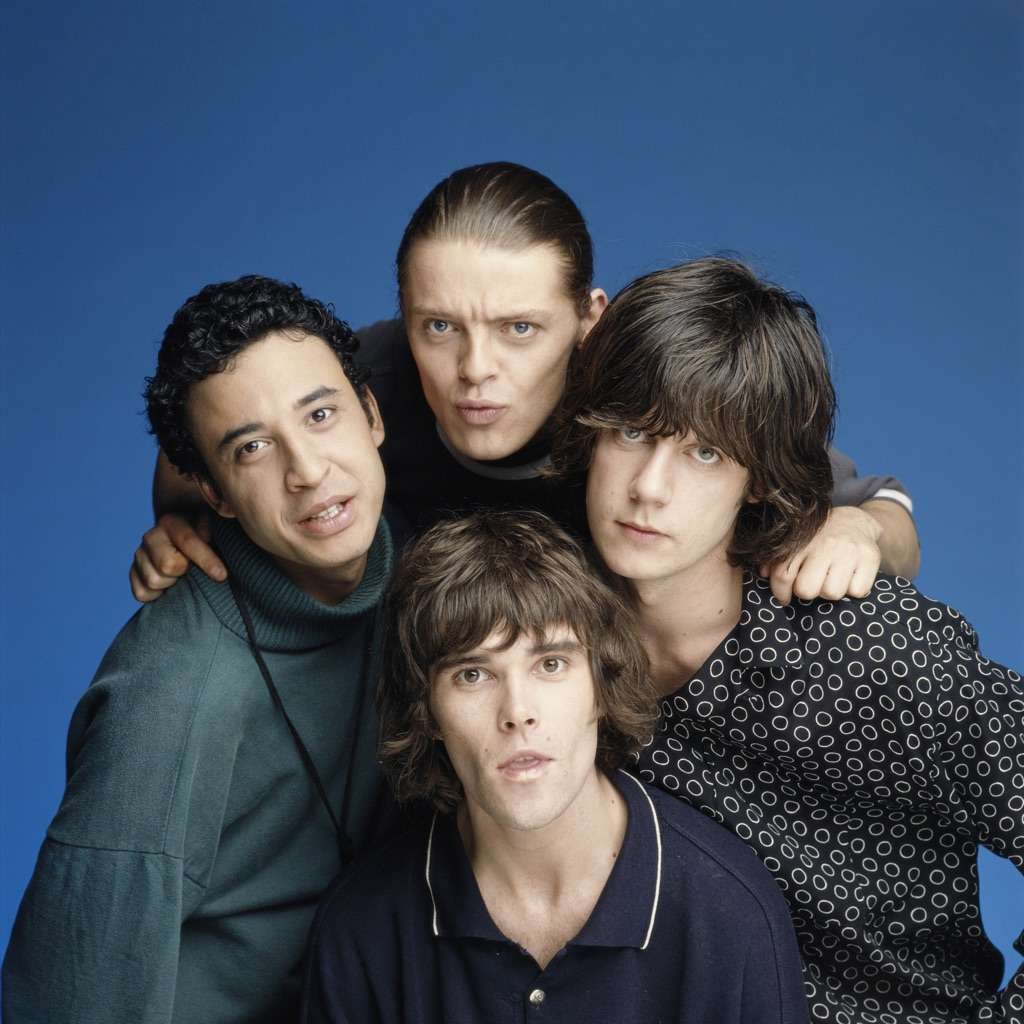
The Stone Roses by The Stone Roses 🎸🌼
11 plays in this year
Recording story & studio craft 🏗️
The debut was built slowly and carefully across 1988–89 with producer John Leckie, tracked at places like Battery and Rockfield (with one session at Sawmills). Leckie’s motto was “don’t roll tape until the band can do it with confidence” — that patience shows. They recorded to two synchronized Studer 24‑track machines (48 tracks), running tape at 30 ips with no Dolby, which helped preserve a clear, punchy acoustic top end. Little production flourishes that reward repeat listens: up to eight guitar overdubs on parts, a Leslie-speaker guitar on “Bye Bye Badman,” subtle AMS-triggered samples for drum reinforcement, and Ian Brown often singing relaxed takes from the control room. The band blended DI bass with miked amps, close-miked guitars (SM57/Neumann) and generous Lexicon/EMT reverbs to make vocals and guitars float in the mix.
Musical style, synths, and how it sounds ✨
Sonically the record is a hybrid: jangly ’60s psychedelia, indie guitar pop, and dance‑friendly rhythms — the blueprint of the “baggy”/Madchester vibe. John Squire’s chiming, textural guitar work sits alongside Mani’s melodic, round bass and Reni’s shuffled drum grooves to create tracks that feel both breezy and hypnotic. Synthesizers aren’t front-and-center as on synthpop records, but they furnish atmosphere and effects (Emulator samples, studio reverbs and delays) rather than dominate — adding modern sheen to a guitar-first palette.
Reception, legacy and influence 🎤
Upon release the album was hailed as a landmark UK debut — critically adored and enormously influential, if not an overnight global smash. It anchored the late‑’80s/early‑’90s Manchester scene and directly shaped Britpop’s next wave: Oasis, Blur, Suede and countless indie acts cited it as a touchstone. Its songs became festival standards and the album resurfaces on “best of” lists as a record that married pop hooks with underground credibility.
Visual era, MTV, and mainstream vs underground visuals 🎞️
Visually the band cultivated a distinctive look: John Squire’s Pollock‑inspired cover art and stylized graphics gave the record an art‑school pedigree that stood apart from glossy MTV pop. They lived between two worlds — club/dance culture and the indie guitar underground — so they didn’t rely solely on video rotation. Their mystique was partly built on live reputation, press, striking artwork and the cultural moment: a guitar band that sounded like it could soundtrack a rave, which is how they bridged mainstream attention without selling out.
In short: The Stone Roses redefined late‑’80s British rock by proving that studio craft, dance rhythms and psychedelic guitar textures could coexist — and that approach rewired British pop for the decade to come.
Bricks Are Heavy by L7 🎸
10 plays in this year
Recording & creation — Smart Studios, major-label push, and Butch Vig 🛠️
Released April 14, 1992 on Slash Records, Bricks Are Heavy was L7’s third album and their breakout. After indie runs on Epitaph and Sub Pop, the band tapped Butch Vig—fresh off Nevermind—to produce at Smart Studios in Madison, Wisconsin. That pairing gave L7 a bigger budget and the polish Vig was known for, but the sessions kept the band’s live, confrontational energy intact. Donita Sparks pushed into more personal songwriting (the hit “Pretend We’re Dead” started as a breakup song), Jennifer Finch and Suzi Gardner doubled down on riffy aggression, and Dee Plakas held down a swingy but pummelling groove. The result sounds tighter than their earlier lo-fi records while still sounding like a band ready to punch you in the face.
Sound & style — heavy hooks, punk fury, and unexpected textures 🔥
What makes Bricks Are Heavy distinctive is how it marries punk vitriol with hooky alt-rock melodies. Guitars are sludgy and chugging, vocals flip from sneer to near-harmony, and arrangements embrace dynamics—big crunchy choruses next to tight, groove-driven verses. Tracks like “Scrap” and “Shitlist” deliver pure riff violence; “Everglade” uses gang vocals and almost hip-hop rhythmic accents; “Pretend We’re Dead” wraps a melancholy breakup lyric in a deceptively anthemic chorus. The album keeps a DIY snarl even with Vig’s sheen, producing something both radio-ready and unapologetically raw.
Reception & cultural moment — charting, controversy, and the grunge wave 🌊
Bricks Are Heavy arrived at the peak of the alternative-rock/grunge explosion. It peaked modestly at #160 on the Billboard 200, but “Pretend We’re Dead” became a staple on alternative radio and MTV, widening L7’s reach. Critics praised the songwriting and muscular production; fans noticed the band hadn’t sold out their attitude. L7’s unapologetic feminism and in-your-face antics—think the notorious tampon throw at Reading and provocative TV appearances—kept them controversial and visible, cementing their place in early-’90s alt culture.
Legacy — influence, DIY spirit, and redefining rock norms ✊
The album endures as a landmark for women-fronted hard rock in the grunge era. It showed you could be melodic and heavy, political and personal, polished and punk. L7 kept a DIY ethos in attitude if not in budget: they carried underground credibility into mainstream spaces and refused to soften their stance. Bricks Are Heavy influenced later riot-grrrl and alt-rock acts and still sounds urgent today—its 30th-anniversary reissues and ongoing reunion tours testify to a record that helped redefine what heavy rock could be when run through a feminist, no-bullshit lens.
Screamadelica by Primal Scream 🎧
10 plays in this year
Recording & creation story 🛠️
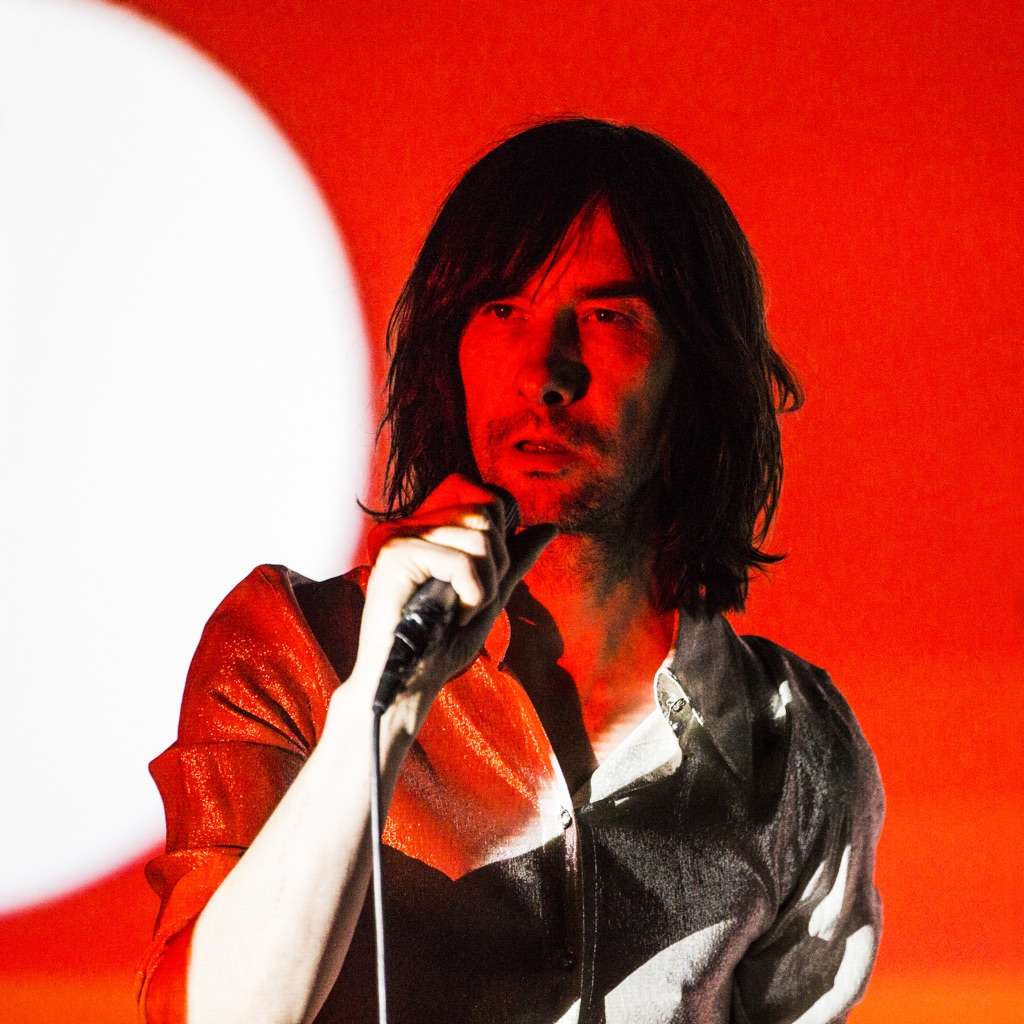
Screamadelica grew out of bedroom demos, late-night jamming and a very 1990s DIY spirit. Primal Scream started with rough sketches in Andrew Innes’ flat and a run-down shack studio where they slept on the floor between takes. Early singles — most famously the Andrew Weatherall rework that became “Loaded” — gave them the cash and confidence to move into better studios and buy an Akai S1000 sampler, which utterly changed their approach. Rather than rigid verse/chorus writing, songs began as keyboard/sampler jams; anyone who had a good idea could walk into the studio and add it. Producers and DJs (Andrew Weatherall, Alex Paterson of The Orb) became central collaborators, and even Jimmy Miller was drafted to mix “Movin’ On Up.” The result feels like a band rewired by club culture.
Sound & what makes it distinctive 🔊
Screamadelica fuses rock guitars, soul vocals, psychedelic textures and rave-era electronic production. Samples (from James Brown-style drums to Indian strings), dub delays, euphoric piano stabs and sprawling groove-based arrangements replace conventional rock songcraft. Tracks range from extended acid-house evolutions to Stonesy rockers and gospel-tinged anthems; the album moves like a DJ set as much as a rock record. That willingness to let atmosphere, repetition and dancefloor logic drive songs is the album’s signature.
Reception, success & legacy 🏆
Released September 1991 on Creation Records, it became a landmark: critical acclaim, strong sales in the UK (top ten) and the inaugural Mercury Prize in 1992. It’s been celebrated in 25th/30th anniversary reappraisals and is routinely cited as one of the era’s most influential albums. More than a one-off hit, it opened mainstream doors for rock acts to borrow club tools and mindsets.
Why it matters — context, influence & how it reshaped rock 🌍
Screamadelica arrived during the alternative explosion but took a different route than grunge’s guitar-bent angst. Instead of retreating into rawness, Primal Scream embraced communal ecstasy and electronic texture. It married indie DIY values with club production: samplers, edits, DJ-driven mixes and open collaboration. That hybrid helped birth the indie-dance and alt-electronic strands of the 1990s and beyond, proving rock could be expansive, spiritual, and danceable. In short: it rewrote what a rock album could sound like, and did so while still feeling like a full-on celebration.